View Charts
Fine Silver vs Sterling Silver: What Investors Should Know
 0
0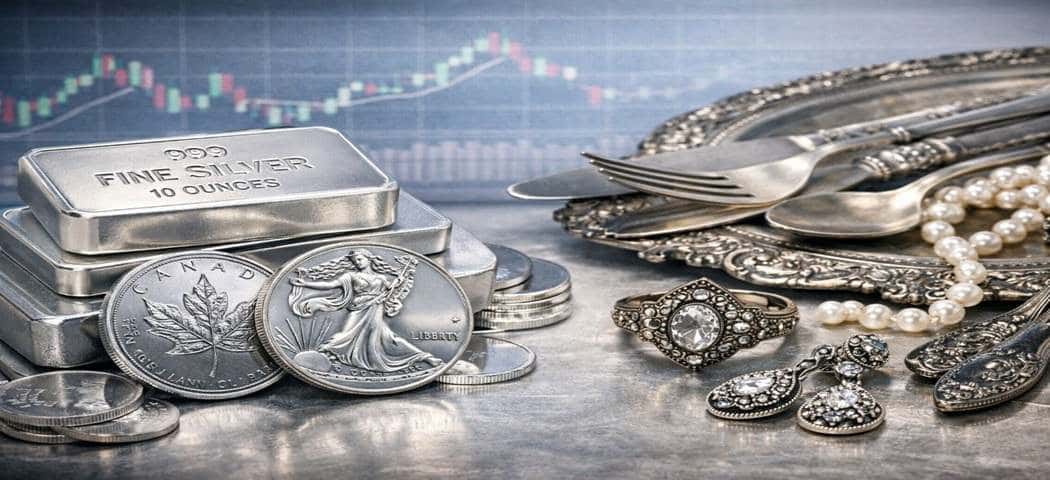
Silver Purity Explained: Investment Value Starts With Composition
When shopping for silver, many buyers encounter two common terms—fine silver and sterling silver—and assume they are interchangeable. While both contain real silver, the differences between them are significant, especially for investors tracking the silver spot price and seeking long-term precious metals value. Understanding purity, use cases, and market pricing is essential for making informed decisions in today’s silver market.
As silver prices remain volatile and investor interest in tangible assets grows, clarity around silver purity has never been more important. Fine silver and sterling silver serve very different roles, and knowing which one aligns with your goals can help avoid confusion and costly misunderstandings.
What Is Fine Silver?
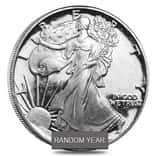
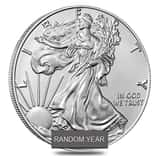
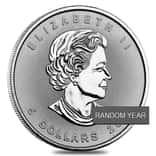
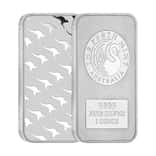
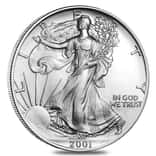
Fine silver refers to silver that is at least 99.9% pure, typically stamped .999 fine silver, and serves as the global standard for investment-grade bullion. This purity is used in many of the world’s most widely recognized bullion coins, including the American Silver Eagle, struck in .999 fine silver and backed by the U.S. government, and the Canadian Silver Maple Leaf, which contains .9999 fine silver and is known for its exceptional purity and advanced security features. Coins of this caliber are priced directly off the silver spot price, making them benchmarks for investment-grade silver worldwide.
Fine silver is widely used in:
-
Government-issued bullion coins
-
Products priced directly off the silver spot price
Because it contains virtually no alloy metals, fine silver closely tracks the market price of silver and offers maximum melt value per ounce. This is why bullion dealers, investors, and institutions prefer fine silver when buying silver for wealth preservation or portfolio diversification.
What Is Sterling Silver?
Sterling silver contains 92.5% silver, with the remaining 7.5% typically made up of copper or other base metals. It is commonly marked .925 and has been used for centuries in jewelry, flatware, and decorative items.
Sterling silver is valued for:
-
Durability and strength
-
Craftsmanship and design
-
Collectible or antique appeal
However, because sterling silver contains less pure silver, its intrinsic value does not directly match the silver spot price. Melt value calculations must account for lower purity, and resale premiums depend more on condition, brand, or artistic merit than on raw silver content.
Fine Silver vs Sterling Silver: Key Differences
The distinction between fine silver and sterling silver becomes especially important when evaluating value and liquidity.
-
Purity: Fine silver (.999) vs sterling silver (.925)
-
Investment use: Fine silver is preferred for bullion investing
-
Pricing: Fine silver prices closely follow the silver spot price
-
Liquidity: Fine silver bullion is easier to sell at market rates
-
Durability: Sterling silver is harder and better suited for daily use
For investors focused on silver as a store of value, purity matters more than appearance or durability.
How Silver Spot Price Affects Each Type
The silver spot price represents the current market value of pure silver. Fine silver products are priced directly off this benchmark, typically with a transparent premium.
Sterling silver, by contrast:
-
Contains less silver per ounce
-
Requires refining to extract pure silver
-
Is often bought below spot value when sold for melt
As a result, sterling silver does not offer the same price efficiency or clarity as fine silver bullion.
Which Is Better for Investors?
For most investors, fine silver is the clear choice. Its higher purity, direct correlation to the spot price of silver, and strong liquidity make it ideal for those seeking exposure to precious metals markets.
Sterling silver may still appeal to:
-
Collectors of antique or designer pieces
-
Buyers interested in aesthetic or historical value
-
Individuals seeking silver jewelry rather than bullion
However, it is generally less suitable for investors focused on bullion performance and price transparency.
Choosing the Right Silver
Fine silver and sterling silver both play important roles in the broader silver market, but they are designed for different purposes. Fine silver excels as an investment vehicle, while sterling silver shines in craftsmanship and everyday use.
For buyers monitoring silver prices and looking to build or protect wealth, understanding this distinction is key. As always, aligning your silver purchases with your financial goals—and with current precious metals market conditions—helps ensure clarity, confidence, and long-term value.