View Charts
Beyond Yuan Power: The Geopolitical Implications of China's Gold Buying Spree
 0
0
In recent years, China's aggressive accumulation of gold reserves has become a focal point for economists, policymakers, and geopolitical analysts worldwide. This strategic move goes beyond mere diversification of foreign exchange reserves or a hedge against the US dollar's volatility. It signifies a deeper, more profound shift in the global financial landscape, with far-reaching geopolitical implications.
China's Gold Accumulation: A Strategic Move
China, the world's largest gold producer, has not only ramped up its domestic production but also increased its gold reserves through significant purchases on the international market. This deliberate strategy aims to reduce dependency on the US dollar and other fiat currencies, which are subject to geopolitical tensions and economic fluctuations. By bolstering its gold reserves, China seeks to enhance its economic stability and secure a stronger position in the global financial system.
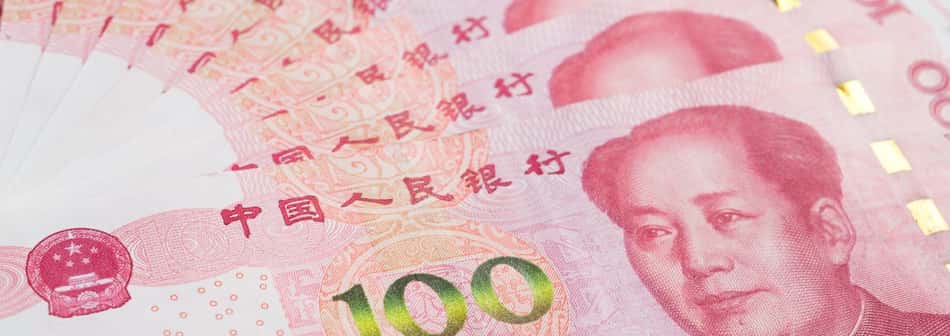
Source: Canva
Implications for the Yuan
One of the most direct implications of China's gold buying spree is its potential impact on the internationalization of the yuan. By backing its currency with substantial gold reserves, China could increase the yuan's credibility and attractiveness as an international reserve currency. This move could challenge the dominance of the US dollar and lead to a shift in how global trade and financial transactions are conducted.
Geopolitical Shifts
China's gold strategy is also indicative of its broader geopolitical ambitions. By strengthening its financial foundation, China is positioning itself as a formidable global power capable of influencing international economic policies and decisions. This gold accumulation can be seen as part of China's "Belt and Road Initiative," which aims to extend its influence across Asia, Africa, and Europe through infrastructure and investment projects.

Source: Canva
Impact on Global Gold Markets
China's substantial purchases of gold have significant implications for global gold markets. As demand from one of the world's largest economies increases, it can lead to higher gold prices worldwide. This, in turn, affects gold-producing countries, gold investors, and the broader financial markets, potentially leading to increased market volatility and strategic adjustments by central banks and financial institutions.
Diversification of Reserves
For China, increasing its gold reserves is also a means of diversifying its vast foreign exchange reserves, which are predominantly held in US Treasury securities. In an era of mounting US-China tensions, diversification away from the dollar is seen as a prudent strategy to mitigate geopolitical and economic risks.

Source: Canva
A Challenge to Dollar Dominance
China's gold accumulation is part of a broader challenge to the US dollar's dominance in international trade and finance. With other countries, particularly those in the BRICS bloc (Brazil, Russia, India, China, South Africa), also increasing their gold reserves, there is a collective move towards de-dollarization in global trade. This trend could redefine the dynamics of international finance, reducing the influence of Western financial institutions and increasing the role of emerging markets in global economic governance.
Economic Stability and Sovereignty
For China, gold is not just an asset but a symbol of economic sovereignty and stability. In economic uncertainty or geopolitical tensions, gold provides a buffer against currency devaluation and inflation. This strategic reserve of gold underlines China's commitment to maintaining economic stability and pursuing an independent economic policy, free from the constraints of reliance on Western financial systems.
The Future Landscape
The implications of China's gold buying spree extend far into the future, shaping the contours of a new world order where economic power is more diffused and the traditional centers of financial authority are challenged. As China continues to assert its economic and geopolitical influence, the role of gold in international finance is likely to become even more significant, heralding an era of multipolarity in global economics.
Conclusion
China's strategic accumulation of gold reserves is a multifaceted maneuver that transcends mere financial investment. It reflects broader geopolitical ambitions, challenges the existing global financial hierarchy, and signals a shift towards a more multipolar world order.
As the geopolitical implications of China's gold-buying spree unfold, the international community must navigate a rapidly changing landscape where economic stability, sovereignty, and power are increasingly tied to the luster of gold.