View Charts
A Beginner’s Guide to Starting a Silver Stack: What New Investors Need To Know
 0
0Silver stacking is the process of accumulating physical silver as an investment. This guide aims to provide an overview for new investors interested in starting a silver stack. We'll cover the basics of physical silver investing, spot prices, premiums, and mints to help you make informed decisions when building your silver investment portfolio.
What is Physical Silver Investing?
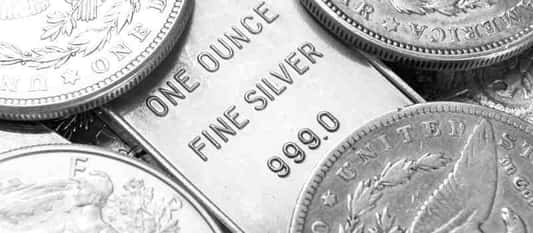
Physical silver investing involves purchasing silver in its tangible form, such as coins, bars, or rounds. This allows investors to own a tangible asset, providing a hedge against inflation, currency devaluation, and financial system risks.
What are the Benefits of Investing in Physical Silver?
- Diversification: Silver can help diversify an investment portfolio, as it often moves independently of stocks and bonds.
- Inflation hedge: Silver has historically retained its value during times of inflation, making it a potential hedge against currency devaluation.
- Tangible asset: Physical silver provides a tangible asset that can be held, stored, and traded independently of financial markets.
- Industrial demand: Silver has numerous industrial applications, driving demand and supporting its value over time.
What are the Risks of Investing in Physical Silver?
- Volatility: Silver prices can be volatile, which may lead to short-term fluctuations in value.
- Storage: Physical silver requires secure storage, which may involve additional costs and risks, such as theft or loss.
- Illiquidity: Depending on market conditions, it may be challenging to sell physical silver quickly and at a desirable price.
- Premiums* and taxes: Buying and selling physical silver may involve premiums and taxes, impacting overall returns. *Premiums will be covered later in this article.
How Do I Get Started with Investing in Physical Silver?
- Research/Educate Yourself: Before investing in physical silver, it's important to learn about the basics of silver investing. You can start by researching the different forms of silver, such as coins, bars, and rounds, and the factors that can affect the price of silver. Visit the Bullion Exchanges Learning Center to read more.
- Determine your investment goals: Decide how much money you want to invest in physical silver, and what your investment goals are. This can help you determine what type of silver to purchase and how much to buy.
- Choose a reputable dealer: Look for a reputable dealer who has a good track record of selling physical silver. Check for reviews and references to ensure that you are dealing with a trustworthy source.
- Decide on the type/form of silver to purchase: Determine what form of silver you want to buy, such as coins, bars, or rounds. Consider the premium, or the cost above the spot price of silver, when making your decision.
- Purchase your silver: Once you have done your research and selected a reputable dealer, make your purchase. Consider how you will store your silver, and whether you need to purchase a safe or pay for insurance.
- Monitor your investment: Keep an eye on the price of silver and how it is performing over time. Consider selling or buying more silver as market conditions change.
What Forms of Physical Silver Can I Invest In? (Bars vs. Coins vs. Rounds)
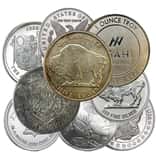
There are several forms of physical silver that one can invest in, such as bars, coins, and rounds.
- Bars: Silver bullion bars are available in various sizes and weights, offering a cost-effective way to invest in silver. They typically have lower premiums than coins or rounds.
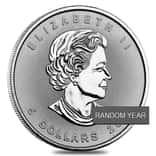
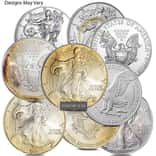
- Coins: Silver coins are government-issued and have a legal tender value, providing additional trust and liquidity. They often carry higher premiums than bars or rounds due to collectability and design features.
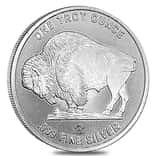
- Rounds: Silver rounds are privately minted and resemble coins but do not carry a legal tender value. They usually have lower premiums than coins but higher than bars.
What Is The Spot Price?
The “Spot Price” is the current market price of a specific commodity at a given point in time. In the bullion industry, it refers to the going rate for 1 troy ounce of a precious metal. For example, the spot price of silver as of the writing of this article (May 9th, 2023) is around $25 per ounce. The spot price is determined by a variety of factors, including supply and demand, economic conditions, and geopolitical events. By understanding the spot price of bullion, investors can make informed decisions about when to buy and sell.
How Do You Calculate Spot Price?
Spot prices are typically quoted in troy ounces, with prices displayed in US dollars (USD) or other major currencies. You can find the current spot price of silver through financial news sources, precious metal dealers, or online resources. Feel free to visit our charts page any time to determine the current spot price of silver, gold, and other precious metals.
Can I Buy Silver At Spot?
Silver can be purchased in the form of coins, bars, and rounds, and is available from a variety of vendors both online and in physical stores. Because precious metals dealers and private sellers sell bullion to make a profit, it is incredibly uncommon for dealers to sell silver at spot price. When buying silver from established sellers/vendors, you will likely pay a premium over the spot price of silver.
What Is A Premium?
A premium is the additional cost above the spot price of silver, accounting for factors such as manufacturing, distribution, and dealer profit margins.
What Coins and Bars Have The Lowest Premiums?
Bullion products with the lowest premiums are generally silver bars, specifically larger ones, as they have lower production costs per ounce compared to coins and rounds. This is primarily due to their simple design and the economies of scale involved in producing larger quantities of silver. Coins, on the other hand, often carry higher premiums due to their intricate designs, collectability, and legal tender status, which adds an additional layer of trust and liquidity. Rounds fall in between, as they resemble coins but do not carry a legal tender value, resulting in lower premiums than coins but higher than bars. In summary, investors seeking the lowest premiums should consider larger silver bars, while those interested in collectability or additional liquidity may opt for coins or rounds.
Where Can I Find The Lowest Bullion Premiums?
Finding the lowest bullion premiums requires research and comparison shopping. Some tips for finding the best deals on silver bullion include:
- Shop around: Compare prices from multiple dealers, both online and in-person, to find the most competitive rates.
- Buy in bulk: Purchasing larger quantities can often result in lower premiums per ounce, as dealers may offer volume discounts.
- Look for promotions: Some dealers offer periodic promotions, such as reduced premiums or free shipping, which can lower overall costs.
- Monitor spot prices: By keeping an eye on spot prices and market trends, you may be able to take advantage of temporary dips in price to purchase silver at a lower premium.
Government Vs. Private Mints
Government mints are state-owned facilities responsible for producing a country's official coinage and bullion products. These mints typically produce coins with a legal tender value, adding an additional layer of trust and liquidity. Private mints, on the other hand, are privately-owned facilities that manufacture bullion products, such as bars and rounds, without legal tender status. While government mints often produce higher-premium products, private mints may offer more variety and lower premiums on certain items.
Government Mints
Some notable government mints producing silver bullion products include:
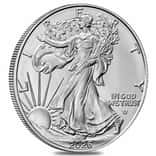
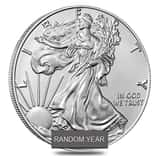
- United States Mint: The U.S. Mint produces the popular American Silver Eagle coin, which is widely recognized and trusted by investors worldwide.
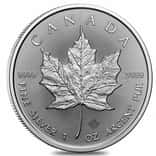
- Royal Canadian Mint: Known for its high-quality silver products, the Royal Canadian Mint produces the Silver Maple Leaf coin, as well as various commemorative and collectible coins.
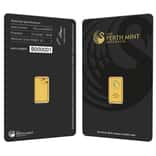
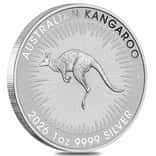
- Perth Mint (Australia): The Perth Mint is renowned for its innovative designs and high-quality silver products, including the Australian Silver Kangaroo, Koala, and Kookaburra coins.
- Austrian Mint: The Austrian Mint produces the Silver Philharmonic coin, which is highly regarded for its beautiful design and .999 fine silver content.
For a more robust list of Government Mints and their products, visit the Bullion Exchanges Government Mint page.
Private Mints
Some reputable private mints producing silver bullion products include:
- Geiger Edelmetalle: A German-based private mint, Geiger Edelmetalle is known for its incredible range of silver bars and rounds. They specialize in producing special edition coins and bars that honor a wide range of topics, from international sports to cultural celebrations. Their coins are known for their intricate details, high-quality craftsmanship, and stunning designs.
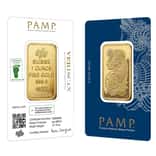
- PAMP Suisse: PAMP Suisse is one of the world's leading producers of bars, coins, and other precious metal products. They are renowned for their high quality and craftsmanship, having been in business for over 40 years. Their iconic Fortuna design, which features the Roman goddess of fortune, has become a symbol of wealth and prosperity. PAMP Suisse is also known for its state-of-the-art security system, which includes advanced security features such as laser engraving and tamper-proof packaging. Their products are trusted by customers from all around the world, and their commitment to excellence is evident in each and every product.
- New Zealand Mint: The New Zealand Mint is a privately owned company in Auckland, New Zealand, that produces collector and bullion coins. It is the only mint in New Zealand, producing gold and silver bullion bars and coins. It is known for its distinctive designs, which often depict the unique beauty of New Zealand's landscape and culture.
- Sunshine Minting: A leading private mint based in the United States, Sunshine Minting has a long history of producing high-quality bullion and coin products, as well as offering secure, durable, and innovative security solutions. Founded in 1979, the company has remained committed to upholding the highest standards of product quality and security.
Conclusion
In conclusion, starting a silver stack is a multifaceted endeavor that requires a solid understanding of the fundamentals, including the benefits and risks of physical silver investing, the forms of silver available, spot prices, premiums, and the differences between government and private mints. By educating themselves on these aspects, new investors can make well-informed decisions when building their silver investment portfolio. As with any investment, it is essential to conduct thorough research, evaluate personal financial goals, and carefully consider the risks involved. With patience and dedication, silver stacking can offer a unique and rewarding opportunity for those seeking to diversify their investment portfolio and protect their wealth.