View Charts
A Beginner's Guide to Buying Platinum and Palladium
 0
0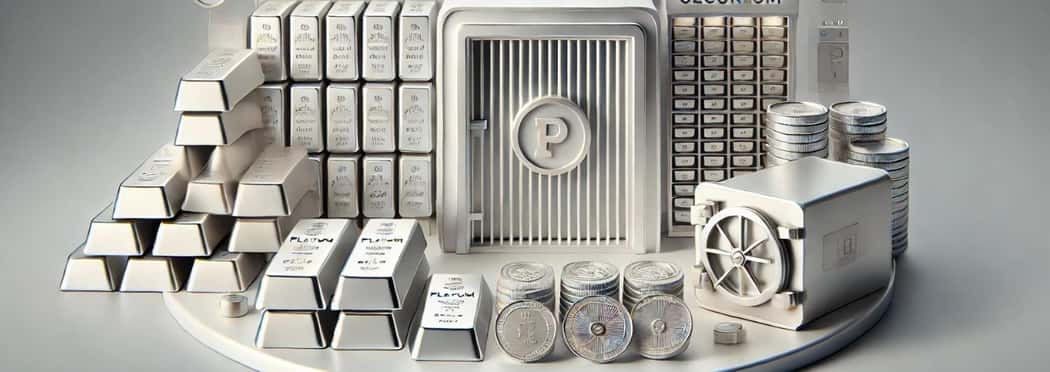
Investing in precious metals has long been considered a prudent strategy for diversifying a financial portfolio. While gold and silver often dominate the conversation, two other metals, platinum and palladium, present unique and lucrative opportunities for investors. This guide aims to provide beginners with essential knowledge on buying these precious metals, helping you make informed and confident investment decisions.
Understanding Platinum and Palladium
Platinum is a dense, malleable metal with a silvery-white appearance. It is rarer than gold and is highly valued not only for its beauty in jewelry but also for its industrial applications. Platinum is widely used in catalytic converters for vehicles, which help reduce harmful emissions. Its resistance to tarnish and wear makes it an ideal material for fine jewelry and other high-end products.
Palladium, a lustrous white metal, shares many characteristics with platinum but is even rarer. Its primary use is also in catalytic converters, where it plays a crucial role in converting toxic gases from car exhausts into less harmful substances. Palladium’s demand has surged in recent years due to tighter environmental regulations, making it an attractive option for investors.
Why Invest in Platinum and Palladium?
-
Diversification: Both metals provide an excellent way to diversify your investment portfolio. They often perform differently from gold and silver, offering a hedge against market volatility.
-
Industrial Demand: The industrial applications of platinum and palladium, particularly in the automotive industry, ensure a steady demand, which can drive up prices.
-
Rarity: The rarity of these metals contributes to their high value. Platinum is about 30 times rarer than gold, while palladium is even scarcer.
-
Market Trends: With the increasing focus on reducing vehicle emissions globally, the demand for catalytic converters – and consequently, platinum and palladium – is expected to remain strong.
How to Buy Platinum and Palladium
1. Choose a Reputable Dealer
The first step in buying platinum and palladium is selecting a reputable dealer. Look for dealers with a solid track record, positive customer reviews, and transparent pricing. In New York City's diamond district, several established bullion exchanges offer authenticated products with verified purity.
2. Understand the Forms of Platinum and Palladium
Both metals can be purchased in various forms:
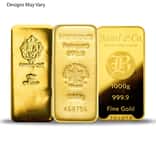
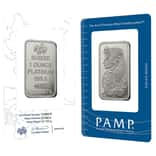
- Bullion Bars: These are available in different weights and are typically the most cost-effective way to buy precious metals.
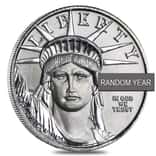
- Coins: Government-minted coins are a popular choice for investors. Examples include the American Platinum Eagle and the Canadian Palladium Maple Leaf.
- Jewelry: For those who appreciate aesthetics along with investment, high-quality platinum and palladium jewelry can be a worthwhile option.
- Exchange-Traded Funds (ETFs): These funds track the price of the metals and can be bought and sold like stocks, offering a convenient way to invest without the need for physical storage.
3. Verify Purity and Authenticity
Ensure that the platinum and palladium you purchase are authenticated and certified for purity. The purity of platinum is typically indicated as .9995 fine, while palladium is often .999 fine. Reputable dealers provide certificates of authenticity and ensure that their products meet industry standards.
4. Consider Storage Options
Proper storage is crucial for protecting your investment. Physical platinum and palladium should be stored in secure, insured facilities. Many dealers offer storage solutions, or you can opt for a private safe deposit box. If investing through ETFs, storage is managed by the fund.
5. Monitor Market Trends
Stay informed about market trends and factors influencing the prices of platinum and palladium. Industrial demand, economic conditions, and geopolitical events can all impact metal prices. Regularly review market analyses and reports to make informed investment decisions.
Tips for First-Time Buyers
-
Start Small: If you're new to investing in platinum and palladium, consider starting with smaller quantities. This approach allows you to become familiar with the market without a significant initial investment.
-
Stay Informed: Educate yourself about the factors driving the prices of platinum and palladium. Understanding supply and demand dynamics, technological advancements, and regulatory changes can help you anticipate market movements.
-
Consult Experts: Seek advice from financial advisors or precious metals experts. Their insights can provide valuable guidance tailored to your investment goals and risk tolerance.
-
Diversify: While platinum and palladium are excellent investment options, it’s wise to diversify across different asset classes to mitigate risks.
Conclusion
Investing in platinum and palladium offers a unique opportunity to diversify your portfolio with metals that have significant industrial value and rarity. By choosing a reputable dealer, understanding the forms of these metals, verifying authenticity, considering storage options, and staying informed about market trends, you can make confident and informed investment decisions. Whether you’re buying bullion bars, coins, or investing through ETFs, these metals can be a valuable addition to your investment strategy, providing stability and potential for growth in a changing market.