View Charts
5 Valuable Wheat Pennies You Could Still Find in a Coin Jar
 17
17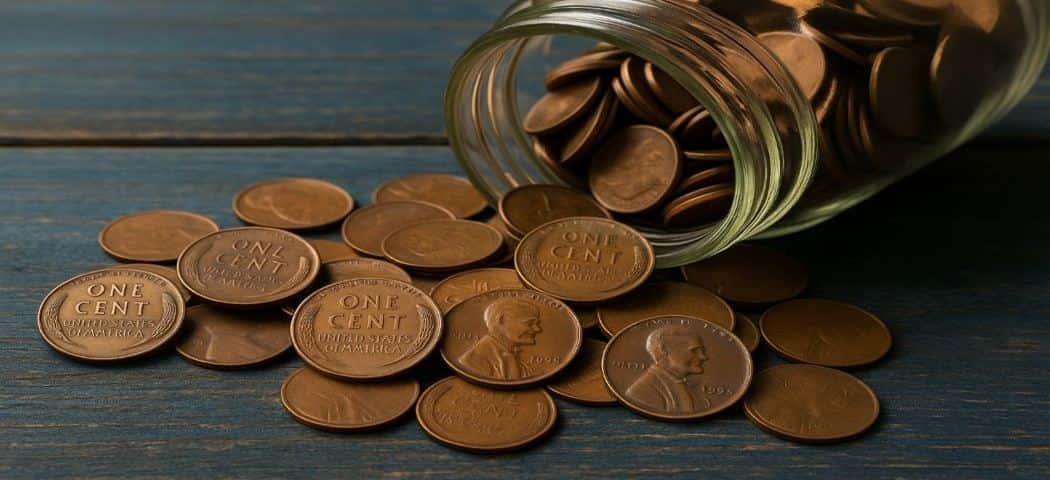
The Everyday Treasure Hunt for Rare Cents
For many collectors, the thrill of numismatics comes from unexpected discoveries - those moments when a rare or valuable coin turns up where you least expect it. While most people imagine finding silver dollars or gold pieces, sometimes the real treasures are hiding in plain sight. Wheat Pennies, minted from 1909 to 1958, remain one of the most collected U.S. coin series and still show up in old coffee cans, dresser drawers, and inherited coin jars.
However, not all valuable Wheat Cents are so rare that you’d need a miracle to find one. Some circulated widely enough that examples can still surface today, yet carry significant premiums when found in decent condition.
A Brief History of the Wheat Penny
The Lincoln Wheat Cent debuted in 1909 to commemorate the centennial of Abraham Lincoln’s birth. Designed by Victor David Brenner, the obverse features Lincoln’s profile, while the reverse displays two stylized wheat ears framing the words “ONE CENT.” This design ran until 1958, when it was replaced by the Lincoln Memorial reverse. Over its 50-year run, the Wheat Cent saw several key date rarities, minting errors, and varieties that have kept collectors intrigued for more than a century.
5 Wheat Pennies Worth Checking For in a Coin Jar
1914‑S Lincoln Wheat Cent
-
Why it’s valuable: Mintage of just 4,137,000 makes it scarcer than most early dates. Well-struck survivors are much less common today.
-
Potential value: $15–$40 in average circulated condition; significantly higher in Extremely Fine or better.
-
Why it could show up: Coins from the early 1910s occasionally remain tucked away in mixed hoards, overlooked by casual sorters.
1924‑D Lincoln Wheat Cent
-
Why it’s valuable: Known for weak strikes, so sharp examples are highly sought after. Mintage just over 2.5 million.
-
Potential value: $25–$60 in Fine; sharply struck uncirculated pieces can bring multiples of that.
-
Why it could show up: Its lack of fame compared to coins like the 1909‑S VDB means it may slip under the radar of non-collectors.
1931‑S Lincoln Wheat Cent
-
Why it’s valuable: Minted during the Great Depression with only 866,000 struck - the second lowest in the series.
-
Potential value: $60–$100 in Fine; far higher in Mint State.
-
Why it could show up: Depression-era coins often stayed in circulation for decades, eventually landing in coin jars during later silver pulls.
1944‑D Over S (D/S) Mintmark Variety
-
Why it’s valuable: A popular overmintmark error, where a Denver “D” was punched over a San Francisco “S.”
-
Potential value: $50–$100+ in circulated grades; higher for crisp examples.
-
Why it could show up: WWII-era pennies remain common in bulk stashes, and few casual sorters examine mintmarks closely.
1955 Doubled Die Obverse Lincoln Wheat Cent
-
Why it’s valuable: One of the most famous U.S. coin errors, showing dramatic doubling on the date and inscriptions.
-
Potential value: Even worn pieces bring $500+; Mint State examples can reach several thousand dollars.
-
Why it could show up: Its legend stems from the fact that some entered circulation undetected, making the slim possibility of discovery worth checking.
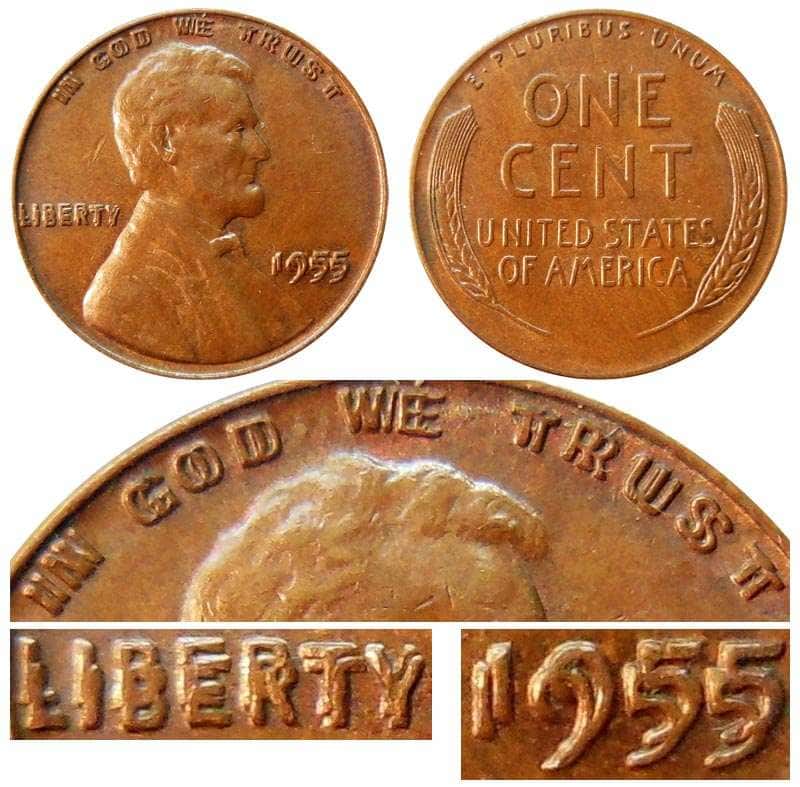
1955 Doubled Die Obverse Lincoln Wheat Cent
Image source: usacoinbook.com
How to Identify Valuable Wheat Pennies
-
Check the date and mintmark: Look for coins between 1909–1958, and learn the locations of mintmarks (“D” for Denver, “S” for San Francisco, no mark for Philadelphia).
-
Use magnification: A 10x loupe can reveal repunched mintmarks, doubling, or other details invisible to the naked eye.
-
Compare with references: Use reputable coin guides or online databases to verify varieties and value ranges.
Common Mistakes When Searching
-
Cleaning coins: Don’t do it! Even gentle cleaning can drastically reduce a coin’s value. Leave the patina intact.
-
Overlooking varieties: Minor errors can carry big premiums, so always check mintmarks and details carefully.
-
Confusing damage for rarity: Scratches or stains aren’t mint errors - learn the difference between post-mint damage and genuine varieties.
Preservation and Storage Tips
If you find a valuable Wheat Penny:
-
Place it in an inert coin flip or capsule immediately.
-
Store it in a cool, dry environment away from direct sunlight.
-
Consider third-party grading from PCGS or NGC for authentication and long-term protection.
Current Market Trends for Wheat Pennies
The U.S. Mint’s decision to discontinue penny production has boosted interest in Wheat Cents, both for nostalgia and investment potential. Key dates and errors have seen consistent demand at auctions and coin shows. Many collectors are completing date-and-mint sets now, anticipating that prices for scarcer issues could climb further as supply tightens.
Where to Sell or Appraise Your Finds
Options include:
-
Local coin shops for immediate sales or trades.
-
Coin shows to connect with specialized buyers.
-
Reputable online dealers such as Bullion Exchanges for fair-market appraisals and sales - Many dealers, including Bullion Exchanges, typically buy only pennies that have been professionally certified by a trusted grading service such as PCGS or NGC.
Collector’s Tip: Don’t Overlook the Small Details
When sorting through a coin jar, focus on dates from 1909 to 1958 and inspect mintmarks under magnification. Even common Wheat Pennies have a modest premium, but the coins listed above can turn a casual search into a valuable discovery.
Why These Finds Matter to Collectors
These coins are more than just small change - they’re miniature artifacts of U.S. history. They reflect moments of economic hardship, advances in minting technology, and shifts in national design preferences. Finding one connects you directly to America’s past while offering the satisfaction of spotting value in an overlooked place.
Final Thoughts
The next time you come across a forgotten coffee can or dusty coin jar, take the time to look closely. You might just uncover a 1914‑S, a 1931‑S, or even the legendary 1955 Doubled Die. It’s not only about potential profit - it’s about the thrill of discovery and preserving a tangible link to the nation’s numismatic story.
17 Comments