View Charts
Will the U.S. Mint Launch Fractional Silver Eagles?
 0
0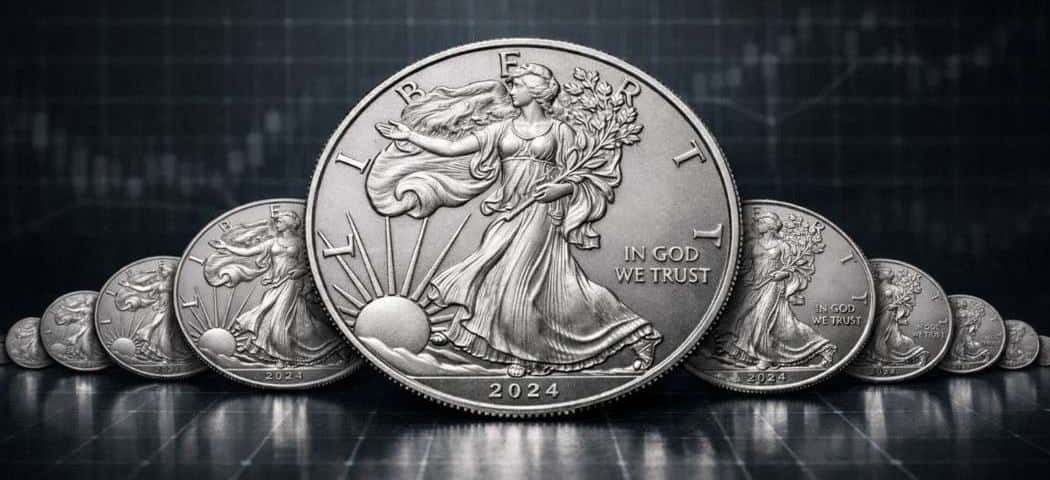
A Potential Shift in U.S. Mint Strategy
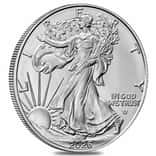
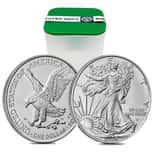
The possibility of fractional silver coins from the U.S. Mint is gaining renewed attention following recent public comments from Mint Director Paul Hollis. For investors tracking the silver spot price and broader bullion trends, the idea of smaller-denomination silver coins represents a meaningful shift in how the Mint could approach accessibility and product design. Traditionally, U.S. Mint silver offerings have focused on standard sizes, particularly the 1 oz American Silver Eagle. However, growing demand for lower-cost entry points is now pushing the conversation toward fractional silver. While no official program has been announced, the topic is no longer speculative—it is now part of a serious industry discussion. This raises an important question: could fractional Silver Eagles become a reality?
What Are Fractional Silver Coins?
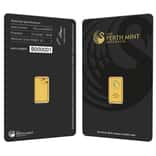
Fractional silver coins are bullion pieces that contain less than one troy ounce of silver, commonly produced in sizes such as 1/2 oz, 1/4 oz, or even 1/10 oz. These products are designed to provide greater affordability and flexibility for investors who may not want to purchase full-ounce bullion. In the broader precious metals market, fractional gold coins are widely accepted and produced by many sovereign mints. However, fractional silver has largely remained the domain of private mints rather than government-issued bullion programs. This distinction highlights a gap in the U.S. Mint’s current product lineup. If introduced, fractional silver coins could significantly expand access to physical silver ownership.
Historical Context: Fractional Silver in U.S. Coinage
While modern bullion programs do not include fractional silver, the United States has a long history of producing silver coins in smaller denominations. Early circulating coinage included half dimes, dimes, quarters, and half dollars, all struck in silver and used in everyday transactions. These coins, now commonly referenced as “junk silver”, effectively functioned as fractional silver units, though they were not marketed as bullion. This system changed in 1965, when rising silver prices led to the removal of silver from most circulating coinage. Since then, U.S. Mint silver products have focused on investment-grade bullion rather than fractional currency. This historical precedent demonstrates that fractional silver is not a new concept—it has simply evolved alongside market conditions.
Why the U.S. Mint Has Avoided Fractional Silver
Despite strong retail demand, the U.S. Mint has historically avoided producing fractional silver bullion for several key reasons:
-
Higher Premiums: Smaller silver coins typically carry higher premiums relative to their metal content, making them less efficient for investors focused on cost per ounce.
-
Production Efficiency: The Mint’s manufacturing and distribution systems are optimized for standardized, high-volume products like the 1 oz Silver Eagle, and fractional sizes would introduce added complexity.
-
Existing Market Competition: Private mints already dominate the fractional silver space, offering a wide variety of products that meet current demand.
-
Brand Consistency: Maintaining the simplicity and global recognition of the Silver Eagle program has been a priority, and expanding into multiple sizes could dilute that consistency.
A New Development: Fractional Silver Back in Discussion
Recent statements from U.S. Mint leadership have brought fractional silver back into focus. Mint Director Paul Hollis has publicly acknowledged the possibility of introducing fractional silver coins, citing increased demand for more affordable bullion options. This marks a significant shift, as it is one of the first times the concept has been openly discussed at such a high level within the Mint.
While this does not confirm that fractional Silver Eagles are imminent, it does indicate that the Mint is actively evaluating the idea. Rising silver prices, combined with growing retail interest, are creating pressure to expand product offerings. In this context, fractional silver is emerging as a potential solution to improve accessibility for a broader range of investors.
Legislative Flexibility and the Possibility of Fractional Silver
While the U.S. Mint has not formally announced any plans for fractional silver bullion, there has been some legislative groundwork that supports future flexibility. The Circulating Collectible Coin Redesign Act of 2020 introduced new opportunities for coin design and composition changes in upcoming programs, reflecting a broader willingness to evolve U.S. coinage formats.
Although the legislation does not explicitly mandate fractional silver bullion coins, it highlights that the Mint has room within certain frameworks to explore alternative formats if market demand supports it. In that sense, the current discussion around fractional silver is not occurring in isolation—it aligns with a broader shift toward modernizing U.S. coinage and improving accessibility for investors.
Market Forces Driving the Conversation
Several key trends are contributing to the renewed interest in fractional silver.
Higher precious metals prices have made full-ounce products less accessible for some investors, increasing demand for smaller units. At the same time, the continued popularity of fractional gold coins demonstrates that there is a viable market for smaller denominations. Additionally, private mints have successfully captured this segment, offering a wide range of fractional silver products that appeal to both investors and collectors.
These dynamics are occurring alongside broader macroeconomic trends, including inflation concerns and increased interest in physical assets. As investors look for ways to diversify and protect wealth, the ability to purchase silver in smaller increments becomes more attractive. This growing demand is likely a key factor behind the Mint’s renewed consideration of fractional offerings.
What Could Fractional Silver Eagles Look Like?
If the U.S. Mint were to introduce fractional silver coins, the most likely format would involve smaller versions of the American Silver Eagle. Common sizes could include 1/2 oz or 1/4 oz coins, providing a balance between affordability and efficiency. These coins would likely maintain the same design and legal tender status as their 1 oz counterparts, ensuring continuity within the program.
It is also possible that the Mint could test the concept through limited releases or alternative formats before committing to a full rollout. This approach would allow the Mint to gauge market demand while managing production challenges. Regardless of the format, any official fractional silver product would likely generate strong initial interest among both investors and collectors.
Potential Market Impact
The introduction of fractional silver coins by the U.S. Mint would have significant implications for the precious metals market. In the short term, it would likely generate strong retail demand, particularly among new investors seeking lower entry points. Premiums on these products could be elevated due to their novelty and smaller size, especially during initial releases.
Over the longer term, fractional silver could expand the overall market for physical bullion by making it more accessible. It could also increase competition with private mints, potentially reshaping the landscape of fractional silver products. For investors, the key consideration would remain cost efficiency, as smaller denominations typically come with higher premiums.
Challenges That Still Remain
Despite growing interest, several challenges could delay or prevent the introduction of fractional silver coins. Production costs and logistical complexity remain key concerns, as smaller coins require more resources per ounce of silver. The Mint would also need to ensure that new products integrate smoothly into its existing distribution model.
Additionally, pricing strategy will be critical. If premiums are too high, fractional silver coins may appeal more to collectors than investors. Balancing accessibility with value will be essential for any successful launch. These factors suggest that while the idea is gaining traction, it is still in the evaluation stage rather than active development.
A Real Possibility Worth Watching
The idea of fractional silver coins from the U.S. Mint has moved from speculation to serious consideration, marking an important shift in the conversation around bullion products. While no official announcement has been made, recent developments suggest that the Mint is actively exploring ways to meet evolving market demand.
If introduced, fractional Silver Eagles could reshape how investors access physical silver, offering new flexibility while expanding the reach of one of the world’s most recognized bullion programs. For now, the concept remains a possibility—but one that investors and industry participants should watch closely as market conditions continue to evolve.
Related reading you may find interesting:
American Silver Eagle Value: 1986 vs 2026 Price Growth
National Coin Week 2026: Celebrating 250 Years of American Numismatics
2026 Wisconsin Innovation Dollar Features Cray-1 Design