View Charts
Why Silver Prices Surged Above $66 and What It Could Signal Next
 0
0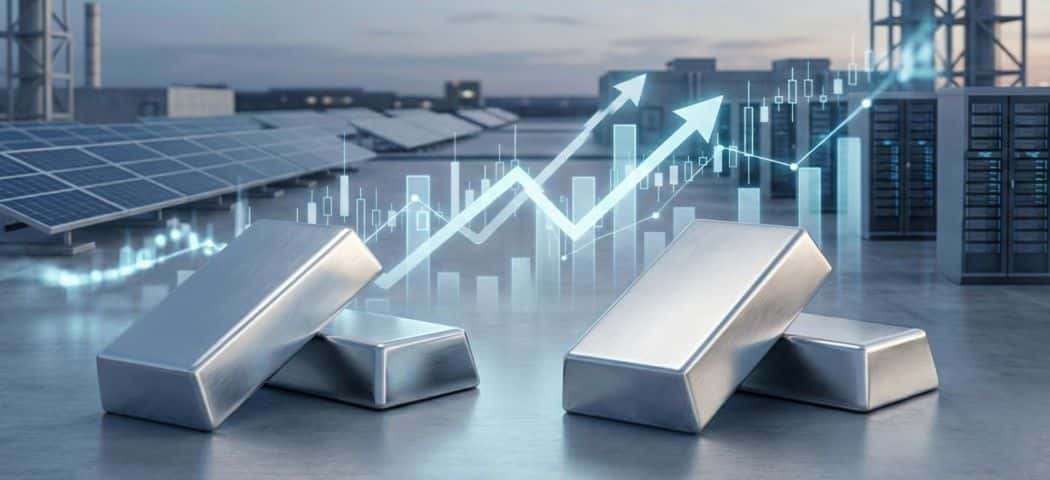
Silver’s Breakout: More Than a One-Day Move
Silver prices pushing above $66 per ounce marks more than a headline moment—it represents a decisive breakout in a market that has been building pressure for months. Unlike short-lived spikes driven by speculation alone, today’s move reflects a convergence of macroeconomic forces, supply constraints, and accelerating investor demand.
For investors tracking silver price trends, this surge underscores silver’s evolving role as both a precious metal and an industrial commodity during periods of economic uncertainty.
Rate Expectations and the Macro Backdrop
One of the most immediate drivers behind the silver price surge has been shifting interest-rate expectations. Recent U.S. economic data has reinforced the view that monetary policy may turn more accommodative in the months ahead. Lower or falling interest rates typically weaken the U.S. dollar and reduce the opportunity cost of holding non-yielding assets.
Historically, silver prices tend to perform well when real yields decline, particularly when inflation concerns remain unresolved. As investors reassess the outlook for growth and monetary policy, silver has benefited from renewed capital flows into hard assets.
A Structural Supply Deficit Beneath the Surface
Beyond macro factors, silver is facing a persistent global supply imbalance. Mine output growth has struggled to keep pace with demand, while above-ground inventories have continued to tighten. Unlike gold, which is largely held as a monetary asset, a significant portion of silver supply is consumed by industry.
This structural dynamic matters. When demand accelerates during periods of economic transition, silver prices can react sharply because supply cannot respond quickly. Today’s surge reflects not just investor enthusiasm, but genuine concerns about long-term availability.
Industrial Demand Is No Longer a Secondary Story
Silver’s industrial applications are now a central part of the silver price narrative. Demand from sectors such as:
-
Solar energy and renewable infrastructure
-
Electronics and semiconductors
-
Medical technology
-
Electric vehicles and energy storage
has expanded steadily. As governments and corporations continue investing in electrification and clean energy, silver’s role as a critical material has become more pronounced.
When industrial demand rises alongside monetary demand, silver prices often outperform, amplifying both upside momentum and volatility.
Momentum, Technical Breakouts, and Investor Psychology
Silver’s move above $66 also carries technical significance. Long-watched resistance levels were breached, triggering momentum-based buying from traders and funds. Once key price thresholds are crossed, psychology becomes a catalyst, drawing in additional participants who had been waiting on confirmation.
This type of breakout often reinforces itself in the short term, particularly when broader market sentiment favors hard assets.
Silver vs Gold: Why Silver Is Moving Faster
While gold prices have remained strong, silver’s percentage gains have been more dramatic. This is typical during precious-metal rallies. Gold often leads as a safe haven, while silver follows with greater volatility due to its smaller market size and dual demand profile.
For investors comparing silver vs gold, the current environment highlights why silver can act as a leveraged play on the same macro forces—benefiting more aggressively when conditions align.
What This Means for Investors
Silver trading above $66 does not guarantee a straight-line move higher, but it does signal a market that is repricing risk, supply, and demand. Key considerations for investors include:
-
Silver’s heightened volatility relative to gold
-
The importance of macro data and central-bank policy
-
Ongoing industrial demand trends
-
The role of silver within a diversified precious metals strategy
Rather than viewing silver solely as a speculative asset, many investors increasingly see it as a hybrid hedge, offering exposure to both monetary protection and real-world economic growth.
Could Silver Prices Stay Elevated?
Whether silver prices remain above current levels will depend on how these forces evolve. Sustained rate-cut expectations, continued industrial expansion, and further supply constraints could all support higher long-term pricing. Conversely, shifts in policy outlook or economic sentiment may introduce volatility.
What is clear is that silver is no longer being ignored. Its breakout reflects deeper structural and macro trends that extend beyond a single trading session.
Silver’s Moment Reflects Bigger Forces
Silver’s surge above $66 is not an isolated event—it is the product of monetary uncertainty, industrial transformation, and tightening supply converging at the same time. In past cycles, similar conditions have often marked periods when silver reasserted its relevance within the broader precious metals market.
For investors, the move serves as a reminder that silver can respond quickly when conditions shift—and that its role alongside gold deserves renewed attention in uncertain economic environments.
Related reading you may find interesting:
Did Samsung Really Fly to Mexico for Silver? Facts vs. Fiction