View Charts
Why Silver Is Known as the People's Precious Metal
 0
0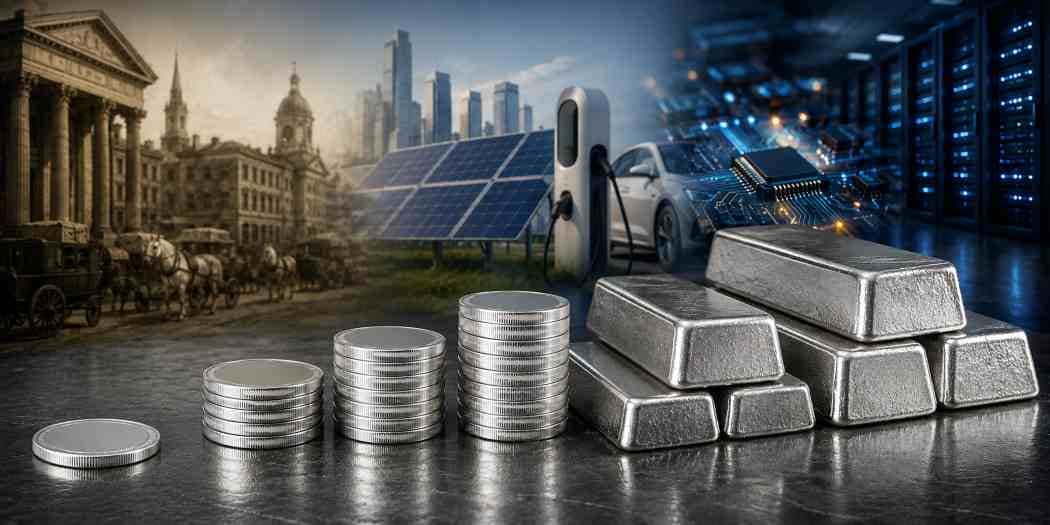
Silver's Enduring Appeal Goes Far Beyond Its Price
Gold may dominate headlines when precious metals rally, but silver has long held a different distinction. For generations, it has been the metal that ordinary investors could realistically afford to own, earning a reputation as the 'people's precious metal.' Whether purchased as a single one-ounce coin, a stack of silver rounds, or larger bullion bars accumulated over time, silver has offered a practical entry point into tangible wealth without the high cost often associated with gold.
That accessibility has become increasingly relevant in today's market. As gold continues trading near record highs, many investors are looking for ways to diversify into physical precious metals without making a significant upfront commitment. Silver provides that opportunity while offering something gold cannot: meaningful industrial demand. From solar panels and electric vehicles to advanced electronics and artificial intelligence infrastructure, silver plays an essential role in technologies shaping the modern economy.
Its unique combination of affordability, historical credibility, and industrial importance explains why silver continues attracting everyone from first-time buyers to experienced precious metals investors. Few assets have managed to remain both a trusted store of value and a critical industrial commodity for centuries.
Affordability Has Always Been Silver's Greatest Strength
Silver's reputation begins with a simple advantage: more people can afford to buy it.
While purchasing a single ounce of gold often requires several thousand dollars, a comparable silver investment typically costs only a fraction of that amount. That lower price point allows investors to build positions gradually, purchasing a few ounces at a time instead of waiting until they can afford a larger investment.
This flexibility has made silver especially popular among younger investors and those just beginning to diversify beyond traditional stocks and bonds. Rather than making a single large purchase, buyers can dollar-cost average into physical bullion, adding coins or bars whenever market conditions or personal budgets allow. The strategy mirrors the disciplined investing approach used across many other asset classes while providing the reassurance of owning a tangible asset.
Affordability also encourages broader participation during periods of economic uncertainty. When inflation rises or financial markets become more volatile, many households want some exposure to precious metals but may find gold beyond their immediate budget. Silver offers an accessible alternative without requiring investors to compromise on the benefits of owning physical bullion.
Silver's History Is Woven Into Everyday Commerce
Silver's popularity is not simply a product of modern investing. Long before electronic banking or paper currencies became commonplace, silver served as everyday money throughout much of the world.
Unlike gold, which was often reserved for governments, wealthy merchants, and international trade, silver circulated widely among ordinary people. It was used to pay wages, conduct local business, and facilitate commerce across civilizations for thousands of years. Even after countries moved away from precious metals-backed currencies, silver coins remained part of daily life well into the twentieth century.
That history continues to influence investor perception today.
Owning physical silver connects modern investors to one of humanity's longest-running stores of value. Although today's bullion coins and bars are purchased primarily as investments rather than currency, they retain many of the characteristics that originally made silver trusted as money: durability, divisibility, widespread recognition, and intrinsic value.
The result is a precious metal that feels both familiar and practical. Investors are not simply buying another commodity—they are acquiring an asset that has maintained public confidence across changing governments, monetary systems, and economic cycles.
Industrial Demand Has Given Silver a Second Identity
Silver's affordability may introduce many investors to the market, but its long-term investment case has become increasingly tied to something entirely different: industrial demand.
Unlike gold, which is purchased primarily for investment, jewelry, and central bank reserves, more than half of annual silver demand comes from industrial applications. Its unmatched electrical conductivity, thermal efficiency, and corrosion resistance make it difficult to replace in many high-performance technologies. As the global economy becomes more electrified and digitally connected, those properties are becoming increasingly valuable.
The energy transition has been one of the biggest drivers. Solar panels require silver to efficiently conduct electricity, and growing investment in renewable energy has significantly increased consumption over the past decade. At the same time, electric vehicles use substantially more silver than conventional automobiles, while expanding power grids, battery storage systems, and charging infrastructure continue adding new sources of demand.
Artificial intelligence is creating another emerging opportunity. The rapid construction of AI data centers, semiconductor fabrication facilities, and advanced computing infrastructure requires sophisticated electrical systems where silver plays an important supporting role. Although AI is still a relatively new source of demand, it illustrates how silver's industrial importance continues to evolve alongside technological innovation.
This dual role sets silver apart from every other precious metal. It benefits not only from investor demand during periods of economic uncertainty, but also from long-term trends shaping the global economy. Few assets occupy both worlds as naturally as silver.
Physical Silver Gives Investors More Ways to Participate
Another reason silver has earned its reputation as the people's precious metal is the variety of ways it can be owned.
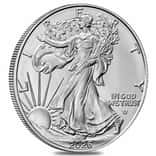
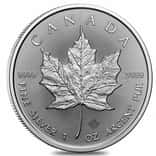
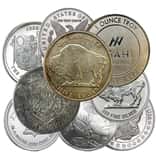
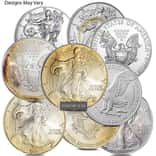
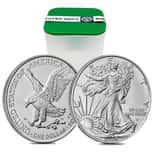
Some investors prefer government-issued bullion coins such as the American Silver Eagle or Canadian Silver Maple Leaf because of their global recognition and strong resale markets. Others choose privately minted silver rounds that often carry lower premiums over the silver spot price. Larger bars appeal to long-term investors seeking the lowest cost per ounce, while fractional products provide additional flexibility for buyers building their holdings gradually.
That broad selection allows investors to tailor their purchases to their budgets and goals. Someone making a first precious metals purchase may begin with a single one-ounce coin, while experienced stackers often accumulate larger quantities through bars or monster boxes over many years.
Silver also occupies an interesting middle ground between investors and collectors. While standard bullion products derive most of their value from silver content, limited-edition releases, proof coins, and special mint issues can attract additional numismatic interest. For many buyers, that combination of intrinsic metal value and collectible appeal adds another dimension to ownership without changing silver's core role as an accessible investment.
Accessibility May Keep Silver Relevant for Generations
Silver has remained popular for centuries because it adapts to changing markets without losing the qualities that made it valuable in the first place.
During periods of financial uncertainty, investors continue turning to silver as a tangible store of value. During times of economic expansion, manufacturers depend on it for products ranging from consumer electronics to renewable energy systems. Few assets can shift so naturally between defensive investment demand and industrial consumption.
That balance could become even more important in the years ahead. Continued growth in electrification, artificial intelligence, renewable energy, and advanced manufacturing is expected to support industrial demand, while ongoing concerns surrounding inflation, government debt, and market volatility continue encouraging portfolio diversification through physical assets.
Silver's greatest strength, however, remains its accessibility. It allows investors to participate in the precious metals market regardless of portfolio size, making ownership achievable for far more people than gold alone.
That combination of affordability, historical significance, and practical utility explains why silver continues to be known as the people's precious metal. It has never been reserved exclusively for governments or large institutions. Instead, it has remained a metal that ordinary investors can buy, understand, and hold with confidence—while benefiting from demand trends that reach far beyond the investment world.
Related reading you may find interesting:
What Would It Take for Silver to Reach $100 Again?