View Charts
Which Silver Products Hold Value Best During Supply Constraints?
 0
0
How Supply Constraints Reshape Silver Product Demand
Periods of silver supply stress don’t affect all products equally. When physical silver tightens, investor behavior, mint production limits, and market psychology combine to create clear winners and losers across different product types. Understanding which silver products historically hold value best during supply constraints can help buyers make more informed decisions—especially when premiums rise and availability narrows.
Rather than focusing solely on the spot price of silver, experienced investors often evaluate liquidity, recognition, and replacement difficulty when deciding what to buy during constrained markets. Those factors frequently matter just as much as metal content when supply disruptions occur.
Government Silver Coins vs Generic Silver Rounds
One of the clearest distinctions during silver shortages appears between government-issued silver coins and generic silver rounds.
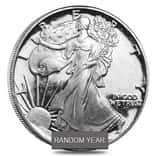
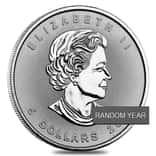
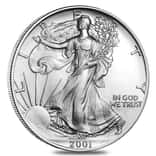
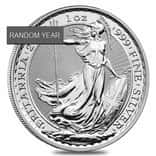
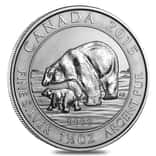
Government silver coins—such as American Silver Eagles, Canadian Maple Leafs, and Australian bullion coins—tend to maintain stronger premiums when supply tightens. These products benefit from sovereign backing, legal tender status, and global recognition, which makes them easier to resell even when retail inventories are thin.
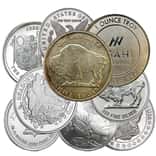
Generic silver rounds, while typically cheaper during normal market conditions, are more sensitive to supply bottlenecks. When blank shortages or minting delays occur, premiums on generics can rise sharply, sometimes narrowing the price gap with government coins. However, generic rounds often experience greater volatility in availability and resale demand during stressed markets.
Key takeaway: During silver shortages, government silver coins usually retain liquidity and premium stability better than generic rounds.
Low-Mintage Bullion and Scarcity Effects
Low-mintage bullion products can behave very differently during periods of limited silver supply. Coins and bars with capped mintages or annual design changes often see premiums expand faster once they sell out at the primary market level.
When replacement inventory cannot be replenished quickly, scarcity becomes a pricing driver independent of the underlying price of silver. This is especially true for popular annual series or limited-production bars that attract both investors and collectors.
That said, low-mintage products are not immune to volatility. Premiums may rise sharply during shortages but can also compress if market conditions normalize. Buyers focused on value retention often balance limited-mintage exposure with highly liquid bullion formats.
Silver Bar Sizes: Liquidity vs Efficiency
Bar size plays a significant role in how silver products perform during supply constraints.
-
Smaller bars (1 oz to 10 oz) tend to remain highly liquid and accessible, particularly for retail investors.
-
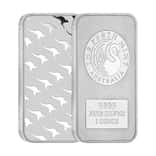
Mid-size bars (10 oz to 100 oz) often strike a balance between lower premiums per ounce and manageable resale flexibility.
-
Large bars (100 oz and above) may offer lower premiums in normal conditions, but during shortages, availability can drop sharply, sometimes causing unexpected premium spikes.
Historically, bars that are widely recognized and produced by established refiners hold value more consistently when silver supply tightens.
What Historically Sells Out First During Silver Shortages?
During past silver shortages, certain patterns have repeatedly emerged:
-
Popular government silver coins often sell out first
-
Fractional and smaller-denomination silver products see rapid demand surges
-
Widely recognized bar brands disappear faster than obscure alternatives
-
Products tied to annual mint programs become unavailable once production limits are reached
These trends highlight that ease of resale and recognizability often outweigh marginal differences in premiums when physical silver becomes harder to source.
Premiums, Availability, and Investor Psychology
When silver supply tightens, premiums are driven as much by psychology as by logistics. Investors seeking immediate exposure to physical silver tend to prioritize products they trust and recognize, even at higher premiums. This demand concentration reinforces price strength in certain categories while leaving others lagging.
Understanding these behavioral dynamics helps explain why some silver products consistently hold value better than others during periods of market stress.
Making Informed Silver Purchases During Supply Constraints
Silver shortages shift the focus from price alone to product selection. While every investor’s strategy is different, history suggests that liquidity, recognition, and replacement risk matter most when availability tightens.
Monitoring the price of silver alongside product-level premiums, availability trends, and mint production updates can provide valuable context for decision-making. Rather than chasing the lowest premium at any cost, many investors prioritize flexibility and resale confidence during uncertain supply conditions.
Product Choice Matters When Silver Is Tight
Silver supply constraints don’t affect the market evenly. Government coins, trusted bar formats, and widely recognized bullion products have historically held value more consistently during shortages, while less liquid options can experience sharper swings.
As silver continues to attract attention amid tightening supply and rising demand, understanding how different products behave can be just as important as tracking the price of silver itself. For investors navigating volatile conditions, informed product selection remains one of the most effective tools available.
Related reading you may find interesting:
Could Silver Enter a Structural Deficit This Decade?
$5,000 Gold and $100 Silver: A Question of When, Not If