View Charts
Trump’s EU Tariff Threat: What It Means for Gold & Silver
 0
0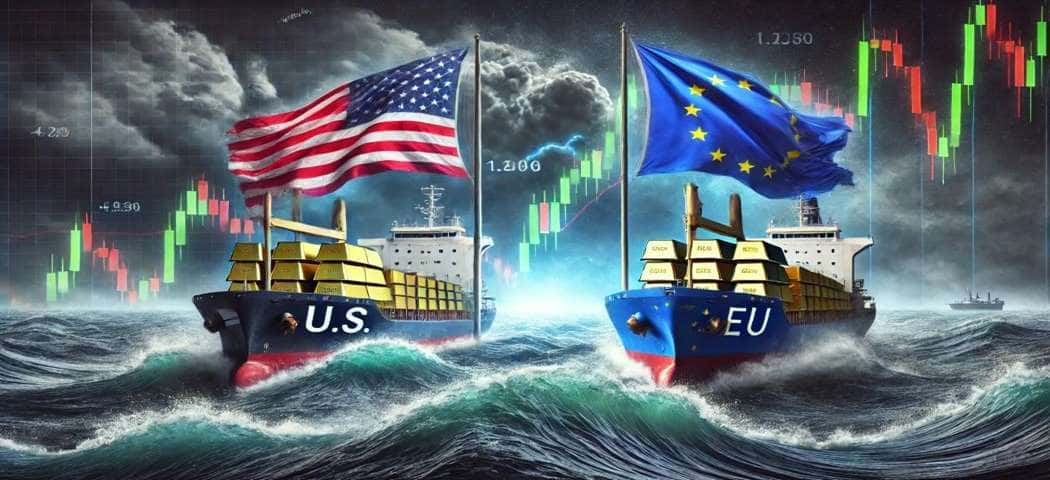
New Trade Tensions on the Horizon?
As the Trump administration’s trade policies continue to make waves in global markets, speculation is rising about whether the next target could be the European Union. With tariffs on Chinese goods already in place, and those on Canada and Mexico temporarily paused, the focus may soon shift to Europe, particularly its automotive and industrial sectors.
If the U.S. imposes tariffs on European imports, the repercussions could extend beyond traditional trade sectors, significantly impacting the precious metals market. From higher costs on gold and silver to disruptions in platinum and palladium supply chains, investors should prepare for possible shifts in pricing and availability.
How Potential Tariffs Could Impact Precious Metals Markets
The introduction of tariffs on European imports could have significant consequences for investors, bullion traders, and industries reliant on precious metals. Below are the key areas to watch:
1. Increased Costs for European Gold and Silver Imports
-
Switzerland, home to some of the world’s largest gold refineries (such as PAMP, Valcambi, and Argor-Heraeus), supplies a significant portion of the gold and silver refined for global markets.
-
If tariffs are imposed on European goods, gold and silver bars imported from Swiss refineries could become more expensive for U.S. investors and bullion dealers.
-
Premiums on Swiss-branded bullion could rise if import costs increase, potentially leading investors to seek alternatives from domestic or non-European sources.
2. Disruptions to Platinum and Palladium Supply Chains
-
Europe, particularly Germany and the UK, plays a crucial role in the automotive and industrial metals market, where platinum and palladium are heavily used for catalytic converters.
-
If tariffs are placed on European cars and automotive components, this could disrupt demand for platinum-group metals (PGMs), leading to price volatility.
-
A slowdown in European car manufacturing could reduce platinum and palladium demand, potentially weighing on prices in the short term.
3. Currency Fluctuations Could Impact Precious Metals Prices
-
A weakened Euro due to trade tensions might increase gold and silver prices in Europe while making them relatively cheaper in the U.S.
-
If tariffs weaken the U.S. dollar, gold and silver could see higher demand from investors seeking a hedge against currency devaluation.
4. Potential Shift in Import Sources
-
If tariffs make European precious metals imports less cost-effective, bullion traders and investors might turn to refineries in Asia or domestic U.S. sources for gold and silver bars.
-
This could benefit U.S.-based refiners, such as Asahi Refining and Sunshine Minting, but could also reduce availability of high-quality European-branded bullion in the U.S. market.
What to Watch For
-
If President Trump officially announces tariffs on European goods, watch for potential price adjustments in Swiss, German, and UK bullion products.
-
Keep an eye on currency movements, as a strong U.S. dollar could dampen gold prices, while a weakened Euro could raise demand for gold in European markets.
-
If European auto tariffs lead to production cuts, platinum and palladium could experience short-term price declines before rebounding due to supply chain adjustments.
Will Precious Metals Markets Shift Again?
While the Trump administration has yet to make an official move on European tariffs, the possibility is already sparking concerns across global trade and investment circles. For precious metals investors, the key takeaway is to stay informed and adaptable.
Higher tariffs on European goods could alter bullion prices, disrupt supply chains, and impact global demand trends. As the trade landscape continues to evolve, keeping a close watch on currency fluctuations, metal sourcing, and government announcements will be essential.
In times of economic uncertainty, gold, silver, platinum, and palladium remain crucial hedges against market volatility. Whether the U.S. expands its tariff policies to Europe or shifts focus elsewhere, the precious metals market will inevitably respond—offering both challenges and opportunities for investors.