View Charts
Top 8 Reasons Investors Are Buying Silver Coins in 2026
 0
0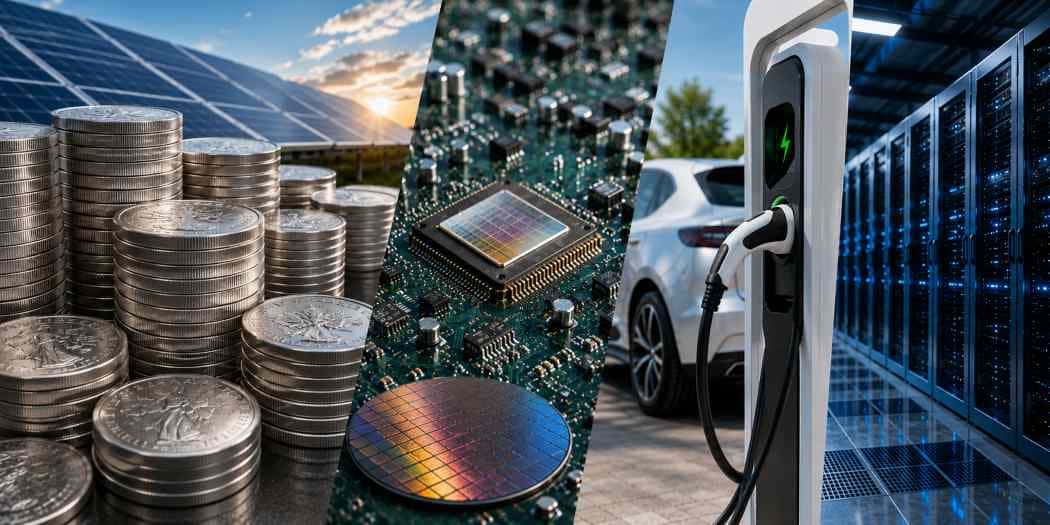
Silver Coins Are Benefiting From More Than Traditional Safe-Haven Demand
Silver has always occupied a unique place in the precious metals market. Unlike gold, which is primarily viewed as a monetary asset and store of wealth, silver operates in two worlds simultaneously. It serves as both a precious metal investment and a critical industrial resource used throughout the global economy.
That dual role is becoming increasingly important in 2026 as investors navigate persistent inflation concerns, government debt, geopolitical uncertainty, and rising industrial demand from solar energy, electric vehicles, electronics, artificial intelligence infrastructure, and advanced computing. This combination of affordability, tangible ownership, and expanding real-world usage helps explain why many investors continue adding silver coins to their portfolios.
1. Silver Remains One of the Most Affordable Precious Metals
One of silver's biggest advantages is accessibility. Gold remains the dominant precious metal for long-term wealth preservation, but its higher price per ounce can make it harder for some investors to accumulate meaningful physical holdings.
Silver coins offer a lower-cost entry point into precious metals ownership. Investors can often purchase multiple ounces of silver for the cost of a small fraction of an ounce of gold, allowing them to build positions gradually while staying within budget.
This affordability also appeals to first-time buyers who want exposure to physical precious metals without making a large upfront commitment.
2. Industrial Demand Is Reaching Historic Levels
Silver's industrial demand profile has changed dramatically over the past decade. Solar energy remains one of the strongest demand drivers because silver's conductivity makes it essential in photovoltaic cells used across the renewable energy sector.
Beyond solar, silver is used in semiconductors, electric vehicles, telecommunications equipment, consumer electronics, and advanced computing systems. The expansion of AI infrastructure and data centers may add another long-term layer of demand.
This industrial footprint gives silver a demand profile that extends far beyond traditional investment buying.
3. Physical Silver Eliminates Counterparty Risk
Physical silver coins give investors direct ownership of a tangible asset. Unlike stocks, bonds, or many financial products, silver held in hand does not depend on another party's ability to meet an obligation.
This feature becomes especially attractive during periods of financial stress, banking uncertainty, or market volatility. While silver spot prices can rise and fall, physical ownership is not tied to the solvency of a corporation, financial institution, or digital platform.
For investors seeking assets outside the traditional financial system, silver coins offer a straightforward form of direct ownership.
4. Government-Issued Coins Offer Recognition and Liquidity
Popular government-issued silver coins, including American Silver Eagles, Canadian Silver Maple Leafs, British Silver Britannias, and Austrian Silver Philharmonics, are widely recognized across global bullion markets.
That recognition matters. Standardized weight, purity, and official mint backing can make these coins easier to buy, sell, and trade compared with lesser-known silver products.
Liquidity is one reason many investors prefer coins over obscure rounds or bars. When it comes time to sell, widely recognized silver coins often benefit from stronger market acceptance and broader dealer demand.
5. Persistent Supply Deficits Are Supporting Long-Term Fundamentals
The silver market has experienced recurring supply deficits as industrial demand has grown faster than available mine production and recycling supply. This imbalance has become an important part of the long-term silver investment case.
Unlike gold, much of the world's silver is produced as a byproduct of mining for copper, lead, zinc, and other metals. That means silver supply cannot always respond quickly to higher prices or stronger demand.
As solar, electronics, EVs, and AI-related infrastructure compete for available supply, persistent deficits may continue supporting silver's long-term fundamentals.
6. Inflation and Currency Concerns Remain a Tailwind
Inflation remains a major reason investors consider precious metals. Even when inflation cools from peak levels, concerns about currency purchasing power, fiscal deficits, and long-term monetary policy often keep demand for tangible assets alive.
Silver has historically attracted buyers looking for protection against currency debasement and rising living costs. While it does not move in perfect correlation with inflation data, it remains part of the broader precious metals toolkit.
For investors who find gold expensive, silver coins can offer a more accessible way to add inflation-sensitive hard assets to a portfolio.
7. Silver Has Historically Offered Strong Bull-Market Upside
Silver is known for volatility, but that volatility can also create opportunity. During certain precious metals bull markets, silver has historically delivered larger percentage gains than gold.
This is partly because silver's market is smaller and more sensitive to shifts in investment demand. When industrial consumption, safe-haven buying, and retail investor interest rise at the same time, silver can move sharply.
Of course, volatility cuts both ways. Silver can decline quickly during market pullbacks, so investors should approach it with realistic expectations and a long-term strategy.
8. Silver Coins Add Flexible Portfolio Diversification
Silver coins can diversify a portfolio in ways that differ from stocks, bonds, cash, digital assets, and even gold. Gold is often driven by central bank activity, interest rates, and safe-haven demand, while silver is influenced by those same forces plus industrial growth.
That dual identity makes silver especially interesting for investors who want precious metals exposure with added sensitivity to technology, energy, and manufacturing trends.
For many buyers, silver coins are not meant to replace gold. Instead, they can complement gold by adding affordability, liquidity, and exposure to a different set of market drivers.
Silver's Investment Story Continues To Evolve
The reasons investors buy silver coins today are broader than they were twenty years ago. Inflation protection, tangible ownership, and portfolio diversification still matter, but industrial demand has become a much larger part of the conversation.
Silver now sits at the intersection of monetary uncertainty and technological progress. As renewable energy deployment expands, AI infrastructure grows, and advanced manufacturing becomes more sophisticated, silver's role within the global economy may continue to strengthen.
For investors seeking a physical asset with both precious metals appeal and industrial relevance, silver coins remain one of the most versatile options available.
Related reading you may find interesting:
Why SpaceX, Anthropic, and AI Growth Matter for Silver
Why Buy Palladium? 5 Smart Reasons to Consider It
Who Uses the Most Silver? Top Industries and Countries