View Charts
Tips for First-Time Precious Metal Buyers
 0
0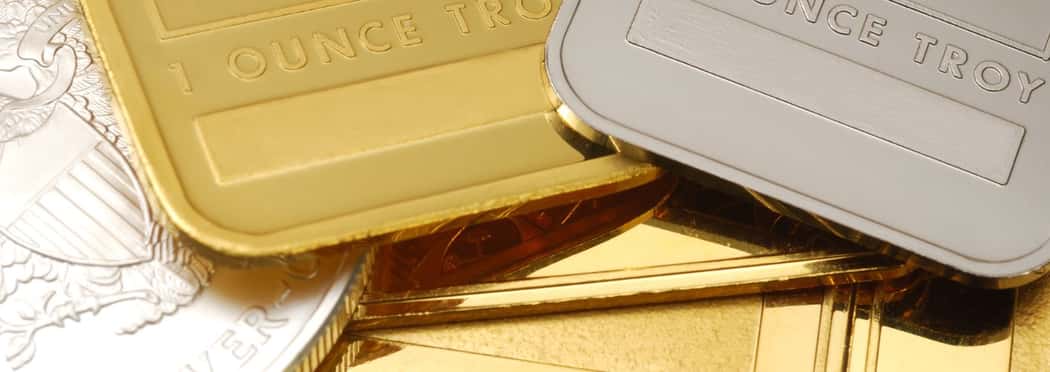
Investing in precious metals, such as gold and silver, has been a time-honored strategy for preserving wealth and diversifying investment portfolios. For first-time buyers, the world of precious metals can seem complex and daunting. This guide aims to provide essential tips and insights to help newcomers navigate their first precious metal purchases with confidence.
Understanding Precious Metals
Before diving into the buying process, it’s crucial to understand what precious metals are and why they are valuable. Precious metals like gold, silver, platinum, and palladium have intrinsic value due to their rarity, industrial applications, and historical significance as stores of value. Among these, gold and silver are the most popular choices for investors.
Gold: Known for its stability and historical value, gold is often seen as a hedge against inflation and economic uncertainty. It comes in various forms, including coins, bars, and jewelry.
Silver: While silver is more volatile than gold, it offers a lower entry point for investors. It also has significant industrial uses, which can drive its demand.
Determine Your Investment Goals
Before purchasing precious metals, it’s important to define your investment goals. Are you looking to hedge against inflation, diversify your portfolio, or hold a tangible asset? Your objectives will influence the type of precious metals you buy and how you store them.
Hedge Against Inflation: Gold and silver are excellent choices as they tend to retain value when fiat currencies lose purchasing power.
Portfolio Diversification: Adding precious metals to your investment mix can reduce overall risk and improve potential returns.
Tangible Assets: Unlike stocks or bonds, precious metals are physical assets you can hold. This can provide a sense of security and stability.
Choose the Right Type of Precious Metal
Once you’ve determined your goals, decide which type of precious metal suits your needs. Each type has its benefits and drawbacks.
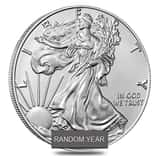
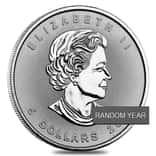
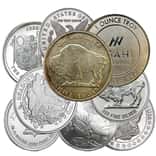
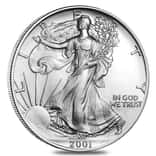
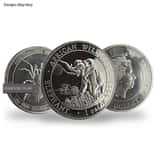
Coins: Popular among both investors and collectors, coins like the American Gold Eagle, Canadian Maple Leaf, and South African Krugerrand are widely recognized and easy to trade. They often carry a premium over the spot price of the metal due to their design and minting.
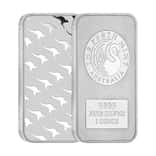
Bars: Gold and silver bars are typically purchased by those looking to invest significant amounts. They have lower premiums compared to coins and come in various sizes, from one gram to one kilogram.
Bullion: Bullion refers to precious metals in bulk form, usually bars or coins, valued by weight and purity. It’s a straightforward way to invest in the metal itself without considering numismatic value.
Verify Purity and Authenticity
Ensuring the purity and authenticity of the precious metals you buy is crucial. Here are a few tips to avoid counterfeits:
Reputable Dealers: Purchase from well-established and reputable dealers. They provide guarantees of authenticity and offer buy-back programs.
Certifications: Look for coins and bars with certifications from recognized authorities like the London Bullion Market Association (LBMA) or the United States Mint.
Hallmarks and Stamps: Genuine gold and silver products have hallmarks or stamps indicating their purity (e.g., .999 fine gold).
Understand the Costs
Investing in precious metals involves more than just the spot price. Be aware of the additional costs that can affect your investment:
Premiums: This is the amount you pay over the spot price of the metal. Premiums vary based on the type of product, its weight, and the dealer’s pricing.
Storage Fees: If you choose to store your precious metals in a secure facility, you’ll incur storage fees. Options include bank safety deposit boxes or specialized storage companies.
Insurance: Insuring your precious metals can protect against theft or loss, adding another layer of cost.
Consider Storage Options
How you store your precious metals is a critical decision that affects security and liquidity. Here are a few storage options:
Home Storage: Storing precious metals at home provides immediate access but comes with risks such as theft. A home safe can mitigate some of these risks.
Bank Safety Deposit Box: Banks offer safety deposit boxes as a secure option for storing small amounts of precious metals. However, access is limited to bank hours, and insurance might not cover the full value.
Professional Vaults: Specialized storage facilities offer high-security vaults for precious metals. These services often include insurance and easy liquidity options, allowing you to sell your metals quickly if needed.
Stay Informed
The precious metals market is influenced by a variety of factors, including economic data, geopolitical events, and market sentiment. Staying informed will help you make better investment decisions:
Market News: Follow reliable financial news sources and market analysis to keep up with price movements and market trends.
Economic Indicators: Pay attention to indicators such as inflation rates, interest rates, and currency strength, which can impact precious metal prices.
Expert Opinions: Consider insights from financial advisors and precious metal experts to guide your investment strategy.
Avoid Common Mistakes
First-time buyers often make mistakes that can impact their investment returns. Here are some common pitfalls to avoid:
Impulsive Buying: Avoid making hasty decisions based on short-term market fluctuations. Have a clear investment plan and stick to it.
Ignoring Purity: Ensure you buy high-purity metals to get the best value. Lower-purity metals can be harder to sell and less valuable.
Neglecting Storage: Proper storage is essential for maintaining the value of your precious metals. Choose a secure and insured storage option.
Conclusion
Investing in precious metals can be a rewarding strategy for preserving and growing wealth. By understanding the basics, setting clear goals, choosing the right types of metals, and taking precautions to ensure authenticity and security, first-time buyers can navigate this market with confidence. Stay informed and avoid common pitfalls to make the most of your investment in precious metals.