View Charts
The Role of Precious Metals in Wealth Preservation
 0
0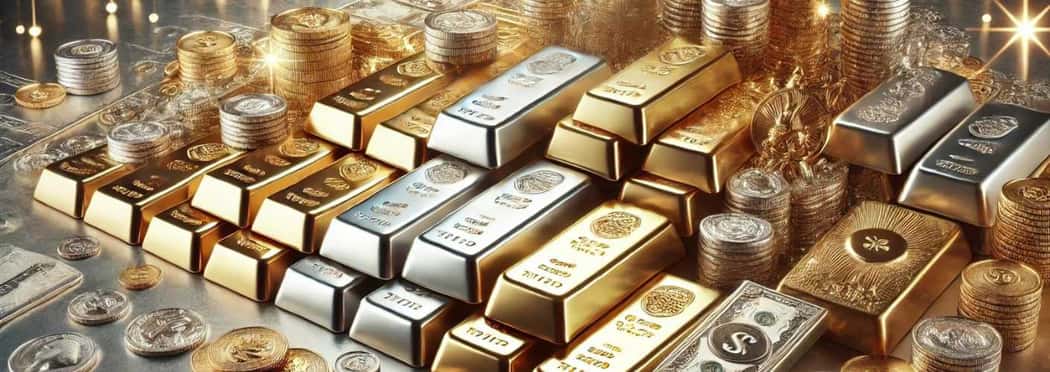
In the ever-evolving landscape of global finance, preserving wealth is a critical concern for investors. Market volatility, economic uncertainties, and geopolitical tensions often drive individuals to seek safe havens for their assets.
Precious metals, particularly gold and silver, have long been revered as reliable stores of value. This article delves into the role of precious metals in wealth preservation, exploring their historical significance, intrinsic value, and modern-day relevance.
Historical Significance of Precious Metals
Gold and silver have been used as forms of currency and symbols of wealth for millennia. Ancient civilizations, including the Egyptians, Romans, and Chinese, utilized these metals for trade, jewelry, and religious artifacts. Gold's rarity and unique properties, such as its resistance to tarnish and corrosion, have made it a symbol of enduring value.
Throughout time, gold has played a vital role in monetary systems. The Gold Standard, adopted by many countries in the 19th and early 20th centuries, pegged the value of currency to a specific amount of gold.
This system provided stability and confidence in the value of money, contributing to economic growth and international trade. Although the Gold Standard was abandoned in the 20th century, gold's legacy as a monetary anchor continues to influence modern financial systems.
Intrinsic Value and Stability
One of the primary reasons precious metals are favored for wealth preservation is their intrinsic value. Unlike fiat currencies, which can be printed at will by governments and central banks, the supply of gold and silver is finite. This scarcity ensures that these metals retain their value over time.
Gold, in particular, is seen as a hedge against inflation. When the purchasing power of paper money declines due to inflation, the value of gold tends to rise. This inverse relationship between gold and inflation has made it a popular asset for protecting wealth during periods of economic instability.
Silver, while not as prominent as gold, also plays a crucial role in wealth preservation. In addition to its monetary uses, silver has significant industrial applications, including in electronics, solar panels, and medical devices. This dual demand for silver adds an extra layer of security for investors, as its value is supported by both investment and industrial needs.
Diversification and Risk Mitigation
Diversification is a key investing strategy that reduces risk by allocating investments across different asset classes. Precious metals offer a valuable option for diversification. Their performance often has a low or negative correlation with traditional financial assets like stocks and bonds.
During market downturns or financial crises, when stocks may plummet, the value of precious metals often rises, offsetting losses in other areas of an investor's portfolio.
For instance, during the 2008 financial crisis, global stock markets experienced significant declines, while gold prices surged. Investors flocked to gold as a safe haven, driving its value up and highlighting its role in wealth preservation.
Tangible Assets in a Digital World
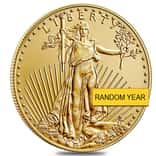
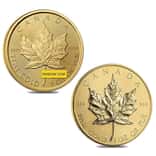
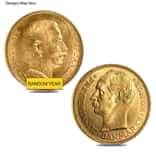
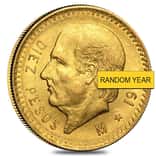
In today's digital age, where much of our wealth is represented by electronic entries in databases, owning tangible assets like precious metals provides a sense of security. Physical gold and silver, whether in the form of coins, bars, or jewelry, offer a tangible store of value that cannot be erased by a cyberattack or a computer glitch.
Additionally, precious metals are universally recognized and accepted. Unlike some modern investment vehicles, which may be complex and difficult to understand, gold and silver are straightforward assets with a long history of value. This universal recognition makes them an accessible and reliable option for investors worldwide.
The Role of Central Banks and Institutional Investors
Central banks and institutional investors also play a significant role in the precious metals market. Many central banks hold gold reserves as part of their foreign exchange reserves. These reserves provide a hedge against currency devaluation and enhance financial stability.
Institutional investors, such as pension funds and hedge funds, often include precious metals in their portfolios as a means of diversification and risk management. Their involvement in the market adds liquidity and helps maintain the stability of precious metal prices.
Modern-Day Relevance
In recent years, the relevance of precious metals in wealth preservation has been underscored by several factors. Economic uncertainties, such as the COVID-19 pandemic, geopolitical tensions, and inflationary pressures, have driven increased demand for gold and silver.
As central banks around the world implemented expansive monetary policies and increased money supply, concerns about currency devaluation and inflation intensified, boosting the appeal of precious metals.
Moreover, the advent of digital investment platforms has made it easier for individuals to invest in precious metals. Online trading, ETFs (exchange-traded funds), and digital gold platforms provide convenient access to these assets, allowing a broader range of investors to benefit from their wealth-preserving properties.
Conclusion
The role of precious metals in wealth preservation is deeply rooted in history and continues to be relevant in today's complex financial landscape. Gold and silver offer intrinsic value, stability, and diversification benefits that protect against inflation, market volatility, and economic uncertainties.
As tangible assets, they provide a sense of security and universal recognition, making them an essential component of a well-diversified investment portfolio. In an era of digital finance and unprecedented economic challenges, the enduring appeal of precious metals remains a testament to their timeless value and reliability in preserving wealth.