View Charts
The Intricate Journey of Silver: From Geological Wonders to Refined Brilliance
 2
2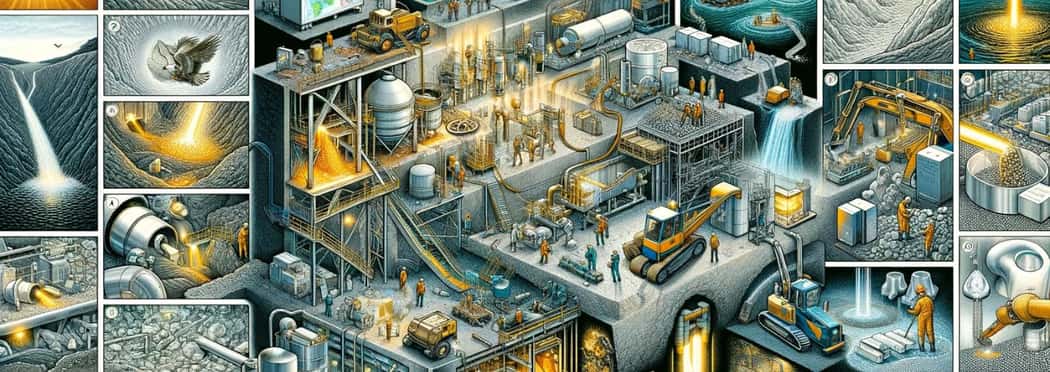
Silver, a metal as ancient as civilization itself, holds a distinguished place in the annals of human history. Its story is not just one of beauty and luxury, but also of technological innovation and geological marvel.
The journey of silver mining is an intricate process that stretches from the scouting of ore in remote locales to the meticulous refining that transforms it into the gleaming metal we know and cherish. This comprehensive exploration reveals the multifaceted process of silver mining.
-
Exploration: Uncovering the Hidden
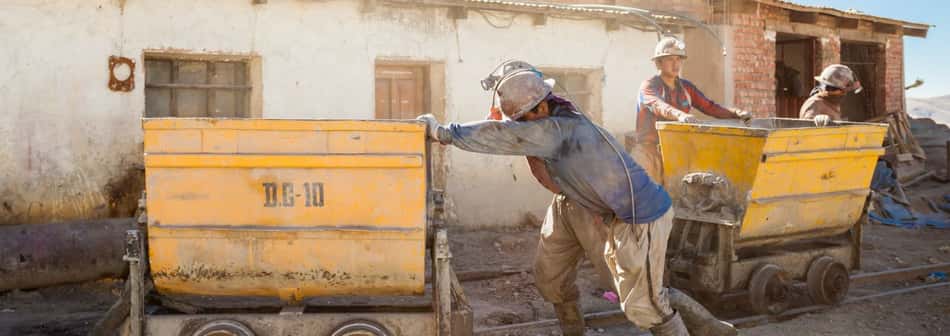
The quest for silver begins with exploration, a complex and sophisticated endeavor. Geologists and mining experts use a combination of scientific techniques and experience to locate potential silver deposits. They analyze geographic and geological data, study rock formations and mineral samples, and employ geophysical methods like seismic surveys.
Advances in technology, including satellite imagery and aerial photography, have revolutionized the way silver deposits are discovered, allowing for more precise and less intrusive methods.
Source: Canva
-
Extraction Methods: Delving into the Depths
Following the identification of a viable silver deposit, the focus shifts to extraction. The chosen method depends on the depth, concentration, and surrounding geography of the deposit.
- Open-Pit Mining: Ideal for deposits near the surface, this method involves removing large amounts of overburden (earth and rock covering the ore) to reach the silver ore. It's efficient for extracting large quantities of ore but can have significant environmental impacts.
- Underground Mining: When the silver lies deeper underground, miners turn to more complex methods like shaft mining, where vertical tunnels are sunk into the earth, and horizontal galleries are built for access to the ore. This method requires more advanced engineering and safety measures but minimizes surface disruption.
-
Ore Processing: A Chemical Symphony
Once the ore is extracted, it undergoes a series of processing steps to extract the silver.
- Crushing and Milling: The first step is to crush and grind the ore into a fine powder, preparing it for further processing.
- Concentration: The crushed ore is then subjected to various concentration methods. The most common is flotation, where chemicals are added to a slurry of ore and water. Air bubbles attach to the silver particles, bringing them to the surface to be collected.
- Leaching: For more complex ores, a chemical process known as leaching is used. Solutions like cyanide or acid are used to dissolve the silver, which is then recovered from the solution.
-
Refining: The Pursuit of Perfection
The concentrated ore, still impure, must undergo refining to achieve the desired purity.
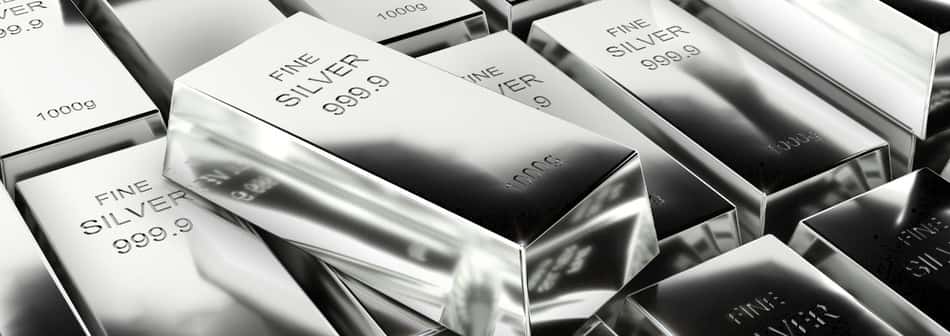
- Smelting and Electrolysis: Smelting involves heating the ore to melt the silver, separating it from impurities. Further refinement is often achieved through electrolysis, where an electric current is used to precipitate pure silver from a solution.
Source: Canva
-
The Market and Beyond: Silver’s Versatile Destiny
The refined silver is now ready for the market, where it finds use in myriad applications. From investment-grade bullion and coins to intricate jewelry, from high-tech electronics to traditional photographic films, silver’s roles are as diverse as they are vital.
-
Technological Innovations and the Future of Silver Mining
The realm of silver mining is in a constant state of technological evolution, shaping the future of this ancient industry. Recent years have witnessed remarkable advancements in mining technology, significantly enhancing the efficiency and productivity of silver extraction and processing.
Automated and remote-controlled machinery are becoming more commonplace in mines, reducing the need for hazardous manual labor and increasing precision in ore extraction. In processing, cutting-edge metallurgical techniques are enabling miners to extract silver from lower-grade ores, which was previously not economically feasible.
Beyond extraction and processing, the digital transformation of the mining industry is also noteworthy. The integration of IoT (Internet of Things) devices, advanced analytics, and artificial intelligence in mining operations is allowing for real-time monitoring and optimization of processes, leading to smarter, more efficient mining practices.
This technological leap is not only about improving yields but also about enhancing the safety and reliability of mining operations.
Looking to the future, these technological innovations are set to continue shaping the silver mining industry. The exploration of new mining areas, the development of more advanced processing methods, and the ongoing digitalization of mining operations promise to sustain the industry's growth and adaptability.
As global demand for silver diversifies and increases, the industry's commitment to technological advancement will be key in meeting these demands and maintaining silver's position as a crucial industrial and precious metal.
Conclusion
Silver's journey from a raw mineral to a refined and cherished commodity is a blend of historical significance and modern innovation. Throughout centuries, this process has adapted and evolved, reflecting changes in technology and market demands.
Today, as the silver mining industry embraces new technologies and innovations, it stands at the forefront of a dynamic and ever-evolving sector, ready to meet the challenges and opportunities of the future.
Another article that may interest you:
How to Test Silver at Home
2 Comments