
 View Charts
Ancient Coins
The Significance of Ancient Coins: A Window into the Past
Ancient coins serve as crucial markers for archaeologists and historians, offering insights into the economic, political, and technological developments of past civilizations. The study of these coins, known as numismatics, heavily relies on chemistry for analyzing and conserving coinage. Scholars agree that the earliest coins, made from electrum, appeared in Lydia (now western Turkey) around the mid-7th century BCE. These coins provide a wealth of information about trade networks, economic stability, and technological advancements in refining processes.
Miniature Works of Art and History
Ancient coins are not just historical artifacts but also masterpieces of art. Their intricate designs and vibrant colors reflect the cultural values and artistic skills of the societies that produced them. The chemical composition of these coins has influenced their aesthetics and longevity. Patinas developed over time enhance their visual appeal, and studying these processes helps understand the environmental conditions and preservation techniques.
Coins often bear inscriptions, dates, mint marks, and images that offer insights into historical events, economic conditions, and political landscapes. They serve as chronological markers, helping date archaeological sites and revealing trade routes and economic connections between ancient civilizations.
Value and Rarity
Ancient coins are prized for their historical significance, rarity, and artistic craftsmanship. Hand-struck over centuries, these coins vary widely in value and availability. Some are extremely scarce, while others are more accessible. The value of a coin depends on its historical context, condition, and design intricacy. Collectors can build valuable collections by focusing on well-preserved coins at reasonable prices.
Roman and Greek Coins
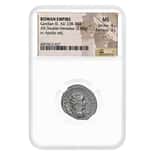
A significant portion of ancient coins are Roman (65%) and Greek (23%). Roman coins are generally easier to find in fine condition compared to Greek coins. Collectors can acquire Roman and Greek silver coins at modest prices, allowing them to build respectable collections that retain their value.
Ancient Greek Coins
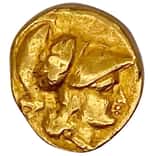
Greek coinage began with gold coins in the archaic period, with King Alyattes of Lydia credited with issuing the first coins. His son, King Croesus, refined this system, producing the world’s first gold and silver coinage. Greek coinage reached its artistic peak during the Classical era, exemplified by the tetradrachm of Syracuse. The Hellenistic period, marked by Alexander the Great's conquests, brought further innovation in coinage, with accessible examples like Alexander’s tetradrachms depicting Herakles and Zeus.
Ancient Roman Coins
Roman coins are more prevalent and vary in value. Rare Roman coins can command high prices. For example, coins issued by Augustus, such as those depicting him and his heir Gaius Caesar, vary significantly in price. Roman gold coins, particularly those in fine condition, are difficult to find and highly valued.
Conclusion
Ancient coins offer a fascinating glimpse into the past, combining historical significance with artistic beauty. Their wide range of values and rarity makes them accessible to collectors of all levels. By carefully selecting well-preserved coins at reasonable prices, collectors can build valuable and historically significant collections. Whether focusing on Roman or Greek coins, ancient numismatics provides a rich and rewarding field for collectors and historians alike.