View Charts
The History of U.S. Silver Dollars and Their Investment Appeal
 0
0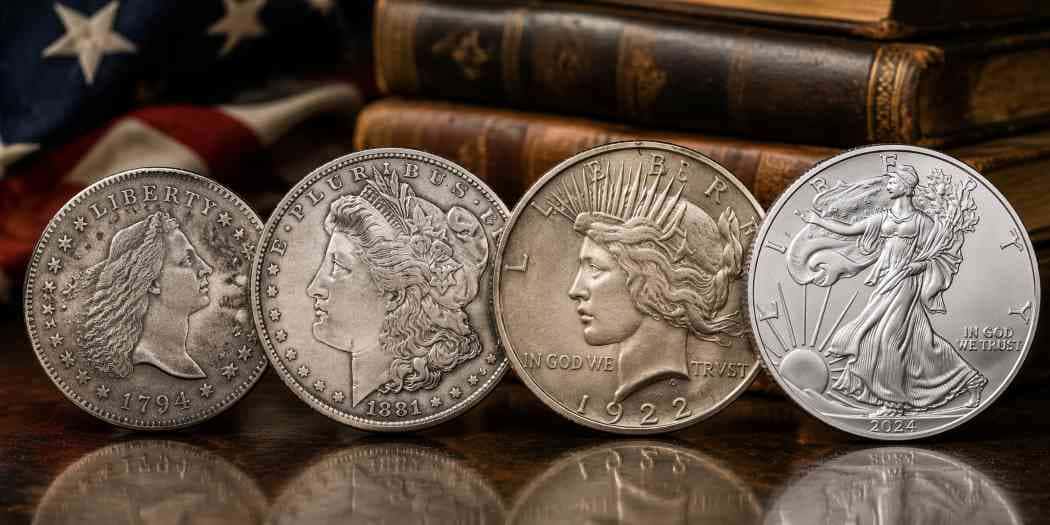
Why U.S. Silver Dollars Continue to Matter in Modern Silver Investing
The history of U.S. silver dollars is deeply tied to the evolution of American commerce, monetary policy, and public trust in tangible money. Today, these coins remain highly relevant not only to collectors but also to investors seeking exposure to physical silver through historically significant assets. In an era shaped by inflation concerns, shifting interest rate expectations, and renewed interest in hard assets, silver investing has regained momentum, bringing historical coinage back into focus.
U.S. silver dollars represent more than collectible currency—they embody decades of monetary history and evolving silver content standards that continue to influence coin collecting history and modern bullion markets.
Early American Coinage and the Birth of the Silver Dollar Standard
The origins of U.S. silver dollars date back to the late 18th century, when the young United States sought to establish a stable and recognizable monetary system. Early silver dollars, such as the Flowing Hair dollar introduced in 1794, were struck to align with international trade standards and establish confidence in American currency.
These early coins contained significant silver content, which gave them intrinsic value beyond their face value. This connection between currency and physical metal laid the foundation for centuries of silver-based monetary systems. As the U.S. Mint refined production techniques, silver dollars became more consistent in weight, purity, and design, reinforcing their role in both domestic commerce and global trade.
Evolution Through the Morgan and Peace Dollar Eras
Two of the most iconic chapters in U.S. silver dollars history are the Morgan Dollar (1878–1904, 1921) and the Peace Dollar (1921–1935). The Morgan Dollar emerged during America’s industrial expansion, symbolizing economic growth and the nation’s increasing global influence. Its substantial silver content and widespread circulation made it a cornerstone of everyday commerce.
The Peace Dollar followed World War I, representing a shift toward stability and international optimism. These coins were the last circulating silver dollars produced for general commerce in the United States before silver was gradually phased out of circulating currency. Today, both series are central to coin collecting history and remain highly sought after in silver investing markets due to their historical significance and intrinsic metal value.
Silver Content Reduction and the Shift Toward Fiat Currency
A major turning point in U.S. silver dollars history occurred when rising silver demand and changing monetary policy led to reductions in silver content and eventually the removal of silver from circulating coinage. By the mid-20th century, rising bullion prices made it impractical to continue producing coins with high silver content for everyday use.
This transition marked the broader shift from commodity-backed money to fiat currency systems. As silver was removed from circulation, older silver dollars gained additional appeal as tangible stores of value. Their metal content became increasingly important to investors as a hedge against inflation and currency debasement, reinforcing their long-term relevance in silver investing strategies.
Modern Silver Dollars: Collectibility Meets Bullion Demand
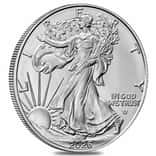
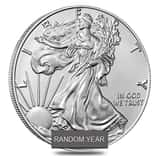
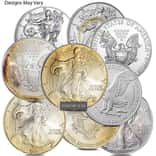
Modern silver dollars, including commemorative issues and bullion-based releases like the American Silver Eagle program, bridge the gap between numismatics and investment-grade silver. These coins are typically produced with .999 fine silver, making them closely aligned with bullion pricing while still carrying collectible appeal.
Unlike earlier circulating silver dollars, modern issues are primarily purchased for investment, collection, or portfolio diversification purposes. Their liquidity, government backing, and global recognition make them a practical entry point for both new and experienced investors seeking exposure to physical silver. This dual identity enhances their appeal in both bullion and numismatic markets.
Supply Dynamics and the Role of Silver Dollars in the Broader Market
Silver dollars, particularly historical issues, are finite in supply, which adds a scarcity premium beyond their metal content. Unlike generic bullion bars or rounds, many older silver dollars have been lost, melted, or preserved in private collections, reducing available supply over time.
This scarcity interacts with broader silver market dynamics, including industrial demand, mining output, and recycling flows. While modern bullion coins track silver spot prices closely, historical silver dollars often trade at premiums due to rarity, condition, and collector demand. This creates a unique intersection between investment demand and numismatic value that distinguishes them from standard bullion products.
Institutional Role of the U.S. Mint and Global Recognition
The U.S. Mint plays a central role in maintaining the credibility and global acceptance of modern silver dollars. Coins such as the American Silver Eagle are widely recognized across international markets, making them highly liquid compared to many other forms of physical silver.
This institutional backing enhances investor confidence and supports consistent demand from both retail and institutional buyers. While historical silver dollars are no longer minted, their legacy continues to influence modern coin design, standards, and investor perception of U.S.-backed silver products.
Long-Term Investment Appeal and Market Positioning Today
From an investment perspective, silver dollars occupy a unique position between collectible assets and bullion exposure. Their appeal lies in their dual nature: they offer direct exposure to silver prices while also carrying historical and numismatic value that can enhance long-term returns.
In periods of inflation, economic uncertainty, or currency volatility, tangible assets like silver coins often experience increased demand. U.S. silver dollars, in particular, benefit from strong brand recognition and deep collector interest, making them a resilient component within a diversified precious metals portfolio.
The Enduring Legacy of Silver Dollars in Modern Portfolios
Looking forward, the role of U.S. silver dollars is likely to remain strong as both historical artifacts and investment assets. While modern financial systems continue to evolve toward digital instruments and paper-based assets, physical silver maintains its appeal as a tangible store of value.
For investors and collectors alike, silver dollars represent a bridge between monetary history and modern portfolio strategy. Their combination of scarcity, historical significance, and intrinsic metal value ensures they will remain a key part of both silver investing and coin collecting history for years to come.