View Charts
The Gold Doubloon: A Historic Coin with a Lasting Legacy
 0
0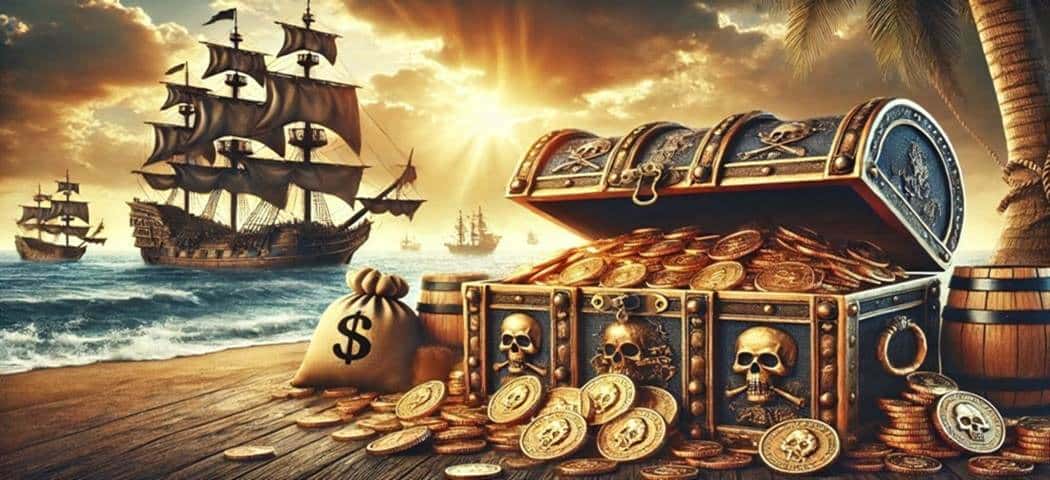
The Gold Doubloon holds a unique place in the annals of history, its legacy enduring from the Spanish Empire to the early days of the American colonies. A coin of remarkable value and craftsmanship, the doubloon became a circulating currency in colonial America and left an indelible mark on early U.S. Mint coinage. Today, it continues to fascinate collectors and enthusiasts, re-emerging in popular culture as a symbol of adventure, wealth, and historical intrigue.
Origins of the Gold Doubloon
The term "doubloon" originates from the Spanish word "doblón," meaning "double." This coin, valued at two escudos, was first struck in Spain in the early 16th century during the reign of King Ferdinand and Queen Isabella. Made of 22-karat gold, the doubloon quickly became the standard for Spanish currency, with its weight and purity tightly controlled by the Spanish crown. As Spain's empire expanded, so did the reach of the doubloon, spreading throughout Europe, the Americas, and beyond.
The doubloon featured the Spanish coat of arms, symbolizing the power and wealth of Spain at its peak. In addition to its aesthetic appeal, the coin’s gold content made it a high-value currency, sought after by traders and pirates alike. Spain’s vast silver and gold mines in the Americas, particularly in Mexico and Peru, supplied the precious metals needed to mint doubloons in large quantities, cementing the coin as a dominant currency of the time.
Circulation in the American Colonies
In the 17th and 18th centuries, gold and silver coins from various nations circulated widely in the American colonies due to the absence of a local mint and consistent currency. Among the foreign coins, the Spanish doubloon held a prominent place in colonial commerce. Its high gold content and recognized value made it one of the most trusted coins for trade and transactions, especially as colonial America relied on coins from England, France, and Spain for daily commerce.
The doubloon’s role in American colonies was further strengthened by the 1792 Coinage Act, which recognized certain foreign coins as legal tender in the United States until the U.S. Mint could produce enough domestic coinage. Even as the American colonies grew closer to independence, the doubloon retained its place in colonial markets and symbolized the growing economy. It’s not surprising that the doubloon influenced early U.S. coinage as the colonies transitioned to a fledgling nation.
Influence on Early U.S. Mint Coinage
When the U.S. Mint was established in 1792, the founding fathers recognized the need to create a national currency that would unify and strengthen the economy. Many of the early coins produced by the U.S. Mint drew inspiration from foreign coinage already familiar to Americans, particularly the Spanish doubloon and the “piece of eight” (silver dollar). The doubloon’s standard of purity and weight set a precedent for U.S. gold coinage, influencing early American gold coins such as the Gold Eagle.
The $10 Gold Eagle, first minted in 1795, reflected similar standards of high gold content and stability. Like the doubloon, the Gold Eagle and its fractional denominations ($5 half eagle and $2.50 quarter eagle) were minted with a high degree of accuracy to maintain public trust in American currency. The legacy of the doubloon is still felt today, as its influence helped establish standards for American coinage that endured for centuries.
The Doubloon in Modern Popular Culture
In recent years, the Gold Doubloon has seen a resurgence in popular culture, often associated with tales of piracy and buried treasure. In various movies, adventure novels and TV series, doubloons are portrayed as symbols of mystery, wealth, and adventure. These portrayals, though dramatized, are rooted in the coin’s real history, as doubloons were highly prized by pirates who seized Spanish treasure ships laden with gold and silver.
This newfound interest in doubloons has also spilled over into the world of collectibles. Modern replicas and re-strikes of historic doubloons are sought after by collectors and history enthusiasts alike, providing a tangible link to an era of exploration and high-seas adventure. The doubloon’s mystique continues to captivate the imagination, serving as a reminder of the far-reaching influence of Spanish currency and the spirit of adventure that defined the age of exploration.
In addition to film and collectibles, doubloons have made their way into the world of video games as a form of virtual currency. In the popular game Sea of Thieves, for example, doubloons are used as an in-game currency to purchase rare items, cosmetics, and exclusive voyages. This virtual adaptation allows players to engage with the mystique of doubloons while navigating a world inspired by pirate lore, enhancing the coin’s association with adventure and discovery in a modern, interactive setting.
This blend of historical significance and modern representation keeps the legacy of the Gold Doubloon alive, bridging past and present as a lasting symbol of wealth, mystery, and exploration.
The Enduring Legacy of the Gold Doubloon
The Doubloon is more than just a gold coin; it’s a piece of history that connects colonial America to the Spanish Empire and early American coinage. Its impact on the economy of the American colonies and its influence on the U.S. Mint’s early coins demonstrate the lasting importance of this golden currency. With its resurgence in popular culture, the doubloon remains a symbol of wealth, adventure, and historical intrigue—a timeless relic from a bygone era.