View Charts
The 30 Most Frequently Asked Questions About Gold
 0
0
Why Gold Remains One of the Most Searched Investments Today
Gold continues to attract attention from investors, collectors, central banks, and everyday savers because it occupies a unique position in the global financial system. Unlike stocks, bonds, or currencies, gold is a tangible asset with thousands of years of monetary history behind it. Whether inflation concerns are rising, interest rates are changing, geopolitical tensions are escalating, or investors are looking for portfolio diversification, gold often becomes part of the conversation.
Today's market environment has only increased interest in gold. Central banks continue accumulating reserves, investors are closely watching inflation trends and Federal Reserve policy, and physical bullion demand remains an important component of the precious metals market. At the same time, newer alternatives such as cryptocurrencies have prompted fresh debates about the role of hard assets in wealth preservation.
The following guide answers 30 of the most frequently asked questions about gold, helping buyers understand pricing, ownership, storage, taxation, portfolio strategy, and long-term market relevance.
Gold Market Fundamentals and Pricing Questions
1. What Determines the Price of Gold?
Gold prices are influenced by a combination of economic, financial, and geopolitical factors. Interest rates, inflation expectations, central bank purchases, ETF flows, currency strength, mining supply, jewelry demand, and global uncertainty all play important roles. When investors seek safety, demand often rises. When bond yields become more attractive, gold can face pressure. The gold market is global, meaning events occurring anywhere in the world can influence pricing.
2. What Is the Spot Price of Gold?
The gold spot price represents the current market value of one troy ounce of gold available for immediate settlement. It serves as the benchmark used throughout the precious metals industry. While investors often focus on spot price movements, retail buyers should remember that physical gold products usually sell at a premium above spot due to manufacturing, distribution, insurance, and market-demand costs.
3. Why Does Physical Gold Cost More Than Spot Price?
The spot price reflects wholesale gold trading, not finished retail products. Gold bars and coins require refining, fabrication, packaging, transportation, storage, and distribution before reaching consumers. Dealers also incur operating costs and inventory risk. Premiums vary based on product type, popularity, mint, size, and market demand. During periods of strong buying activity or supply disruptions, premiums can rise significantly above normal levels.
4. How Do Interest Rates and the Federal Reserve Affect Gold?
Interest rates are among the most important drivers of gold prices. Because gold does not generate income, higher interest rates increase the opportunity cost of holding bullion compared to interest-bearing assets. Federal Reserve policy influences borrowing costs, Treasury yields, and investor expectations. When markets anticipate lower rates, gold often benefits. When rates are expected to remain elevated, gold may face headwinds despite other supportive factors.
5. Is Gold a Hedge Against Inflation?
Gold has historically been used as a hedge against inflation because it cannot be created by central banks and tends to preserve purchasing power over long periods. While gold does not always rise immediately when inflation increases, many investors view it as protection against currency depreciation and declining real purchasing power. Its effectiveness often becomes more apparent during prolonged periods of monetary expansion or economic uncertainty.
6. Why Do Central Banks Buy Gold?
Central banks purchase gold to diversify reserves and reduce dependence on foreign currencies. Gold carries no counterparty risk and is not tied to another nation's financial obligations. In recent years, many central banks have increased their gold holdings as part of broader reserve-management strategies. Their purchases can influence market sentiment and provide long-term support for global demand.
7. What Is the Gold-to-Silver Ratio?
The gold-to-silver ratio measures how many ounces of silver are required to purchase one ounce of gold. It is calculated by dividing the gold price by the silver price. For example, if gold trades at $4,300 and silver trades at $68, the ratio is approximately 63:1. Investors often use this metric to compare relative valuations between the two metals and identify potential allocation opportunities.
8. Is Silver Undervalued When the Gold-to-Silver Ratio Is High?
A high gold-to-silver ratio generally indicates that silver is inexpensive relative to gold compared to historical norms. Some investors view elevated ratios as a sign that silver may offer greater upside potential if the ratio eventually declines. However, the ratio is not a guaranteed timing tool. Industrial demand, monetary policy, economic growth, and investor sentiment can all influence whether the ratio remains elevated or begins to normalize.
9. What Happens to Gold During a Stock Market Crash?
Gold often attracts attention during stock market declines because investors seek assets perceived as stores of value. However, gold does not always move higher immediately. During severe liquidity events, investors may sell gold alongside other assets to raise cash. Over longer periods, gold has frequently benefited from financial uncertainty, making it a popular diversification tool during periods of market stress.
10. How Does Gold Compare to Bitcoin?
Gold and Bitcoin are often compared because both are viewed by some investors as alternatives to traditional currencies. Gold offers a long history of wealth preservation, physical ownership, and lower volatility. Bitcoin offers portability, digital scarcity, and potential growth opportunities. While the two assets share some investment themes, they serve different roles and often appeal to different investor objectives.
Buying and Ownership Questions
11. What Is the Difference Between Gold Coins and Gold Bars?
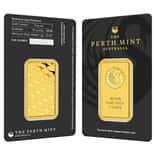
Gold coins are often produced by government mints and carry legal-tender status, while gold bars are typically manufactured by private refiners. Coins frequently offer stronger recognition and collector appeal. Bars often provide lower premiums per ounce, particularly in larger sizes. Both can be effective investment vehicles depending on a buyer's goals.
12. What Is the Difference Between Bullion and Numismatic Gold?
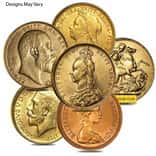
Bullion products derive most of their value from metal content. Numismatic coins derive value from rarity, historical significance, condition, and collector demand in addition to precious metal content. Understanding this distinction is important because the factors driving prices can differ significantly between bullion investments and collectible coins.
13. What Does Gold Purity Mean?
Gold purity refers to the percentage of actual gold contained within a product. Modern bullion is commonly produced in .999 or .9999 fine gold. Some historic coins contain additional metals for durability. Purity affects weight specifications, appearance, and market value, making it an important factor for buyers to understand before making a purchase.
14. What Is a Troy Ounce?
A troy ounce is the standard unit of measurement used in precious metals markets. One troy ounce equals approximately 31.1035 grams. It differs from the standard avoirdupois ounce used in everyday commerce. Understanding the distinction helps prevent confusion when comparing precious metals products and pricing.
15. Are Government-Minted Coins Better Than Private Gold Bars?
Neither option is universally better. Government-issued bullion coins often enjoy strong global recognition and liquidity. Private gold bars may offer lower premiums and efficient exposure to gold content. The best choice depends on an investor's priorities, including liquidity, premium sensitivity, storage considerations, and personal preference.
16. Are Fractional Gold Coins Worth Buying?
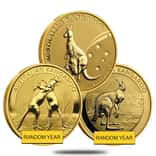
Fractional gold coins contain less than one troy ounce of gold and are available in sizes such as 1/2 oz, 1/4 oz, 1/10 oz, and smaller. They are popular among investors who want greater flexibility, lower entry costs, or the ability to liquidate portions of their holdings over time. While fractional products typically carry higher premiums per ounce than larger coins or bars, many buyers consider the added flexibility worthwhile. They can also be useful during periods of high gold prices when purchasing a full ounce may not fit every budget.
17. How Can I Avoid Counterfeit Gold?
The best defense against counterfeit gold is purchasing from established and reputable dealers. Investors should verify weight, dimensions, purity markings, and packaging when applicable. Many modern bullion products incorporate advanced security features, including micro-engraving, radial lines, and authentication technology. Third-party grading and certification can provide additional confidence for collectible coins. While counterfeit products remain a concern, buying recognized products from trusted sources significantly reduces risk.
18. What Should I Check Before Buying Gold?
Before purchasing gold, investors should review the product's weight, purity, premium, manufacturer or mint, condition, and market recognition. Understanding whether a product is bullion or numismatic is equally important because pricing factors differ substantially between the two categories. Buyers should also compare premiums among similar products and evaluate liquidity, storage requirements, and long-term investment goals before making a purchase.
19. When Is the Best Time to Buy Gold?
There is no universally perfect time to buy gold. Attempting to predict short-term price movements consistently is extremely difficult, even for professional investors. Many experienced buyers instead use dollar-cost averaging, making purchases at regular intervals regardless of market fluctuations. This approach reduces the risk of making a large purchase immediately before a correction while allowing investors to build positions gradually over time.
20. Is Now a Good Time to Buy Gold?
Whether now is a good time to buy gold depends on an individual's objectives rather than the current headline price. Investors purchasing gold for long-term diversification, wealth preservation, or inflation protection often focus less on short-term fluctuations and more on strategic allocation. Gold may experience periods of volatility, but many buyers view it as a long-term asset rather than a short-term trade.
Storage, Taxes, and Selling Questions
21. How Should Gold Be Stored?
Gold can be stored in several ways, including home safes, bank safe deposit boxes, private vaults, and insured depositories. The best option depends on the size of the holding, security preferences, and accessibility needs. Investors with larger positions often favor professional storage because it offers insurance, enhanced security, and independent verification. Regardless of the method chosen, protecting physical gold from theft, damage, and loss should be a priority.
22. What Is the Difference Between Allocated and Unallocated Gold?
Allocated gold refers to specific bars or coins that are individually assigned to an owner. Unallocated gold represents a claim on a pool of gold rather than ownership of specific pieces. Many investors prefer allocated storage because they maintain direct ownership of identifiable metal. Unallocated arrangements may offer lower costs but introduce additional counterparty considerations that buyers should understand before participating.
23. Is Physical Gold Better Than a Gold ETF?
Physical gold and gold ETFs serve different purposes. Physical gold provides direct ownership of a tangible asset that exists outside the financial system. Gold ETFs offer convenience, liquidity, and easy access through brokerage accounts. Investors who prioritize direct control and long-term wealth preservation often prefer physical bullion. Those seeking trading flexibility or portfolio exposure without storage responsibilities may find ETFs more suitable.
24. How Liquid Is Gold and How Easy Is It to Sell?
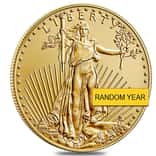
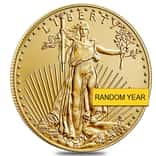
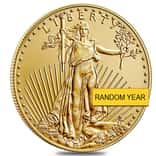
Gold is among the most liquid tangible assets in the world. Widely recognized bullion products such as American Gold Eagles, Canadian Gold Maple Leafs, South African Krugerrands, and major refinery bars can generally be sold quickly under normal market conditions. Liquidity often depends on product recognition, market demand, and prevailing premiums. Well-known products typically attract stronger buyback interest and narrower spreads than obscure or specialized items.
25. Is Gold Reported to the IRS?
Many buyers are surprised to learn that purchasing gold generally does not trigger automatic IRS reporting. However, certain transactions involving large cash payments or specific product sales may have reporting requirements. Capital gains taxes can also apply when gold is sold for a profit. Because tax regulations can change and individual circumstances vary, investors should consult a qualified tax professional regarding reporting obligations and compliance requirements.
26. Can Gold Be Held in an IRA?
Yes, certain gold products can be held within a self-directed Individual Retirement Account (IRA). To qualify, products must meet specific purity standards established by the Internal Revenue Service. Eligible assets are generally stored through approved custodians and depositories rather than being held directly by the account owner. Gold IRAs appeal to investors seeking precious metals exposure within a tax-advantaged retirement structure.
27. Can Governments Confiscate Gold?
Questions about gold confiscation often stem from Executive Order 6102, which was issued in the United States in 1933. While that historical event remains a topic of discussion, today's financial and regulatory environment differs significantly. Modern bullion ownership is legal in the United States, and there is no current indication of broad confiscation policies. Investors should evaluate such concerns based on current laws and facts rather than speculation.
Portfolio and Long-Term Strategy Questions
28. How Much Gold Should I Own?
There is no universal allocation that works for every investor. Portfolio size, risk tolerance, investment objectives, age, income needs, and other assets all influence allocation decisions. Some investors maintain modest precious metals exposure as a diversification tool, while others allocate a larger percentage of their portfolios to hard assets. The appropriate allocation should reflect an individual's broader financial strategy rather than market headlines alone.
29. Can Gold Lose Value?
Yes. Although gold has demonstrated long-term wealth preservation characteristics, it is not immune to price declines. Changes in interest rates, currency strength, investor sentiment, economic conditions, and market positioning can all cause gold prices to move lower. Understanding that gold experiences cycles, corrections, and volatility helps investors maintain realistic expectations and avoid emotional decision-making.
30. What Role Does Gold Play in a Diversified Portfolio?
Gold's primary role is diversification. Because it often responds differently than stocks, bonds, and other financial assets, gold can help reduce overall portfolio concentration risk. Investors frequently use gold to hedge against inflation, currency weakness, geopolitical uncertainty, and financial-system stress. While gold is unlikely to replace traditional investments, it has maintained a unique position in portfolios because of its liquidity, scarcity, global recognition, and long-term history as a store of value.
Gold's Enduring Place in Modern Wealth Preservation
Gold has remained relevant across centuries because the reasons people own it continue to evolve while its core attributes remain unchanged. Investors may buy gold today because of inflation concerns, central bank activity, geopolitical uncertainty, portfolio diversification, or long-term wealth preservation. Others may be attracted by its tangible nature and independence from traditional financial institutions.
What makes gold unique is its ability to serve multiple roles simultaneously. It can function as a store of value, a portfolio diversifier, a hedge against uncertainty, a globally recognized asset, and a tangible form of wealth. While no investment is suitable for every investor or every market environment, gold's combination of scarcity, liquidity, and historical significance continues to support its position within the global financial landscape. Understanding the answers to these 30 questions can help buyers make more informed decisions as they evaluate how gold fits into their long-term financial strategy.
Related reading you may find interesting:
Gold and Silver for Preppers: Emergency Wealth Protection
Collecting Rare Gold Coins: Tips for New Investors