View Charts
Collecting Rare Gold Coins: Tips for New Investors
 0
0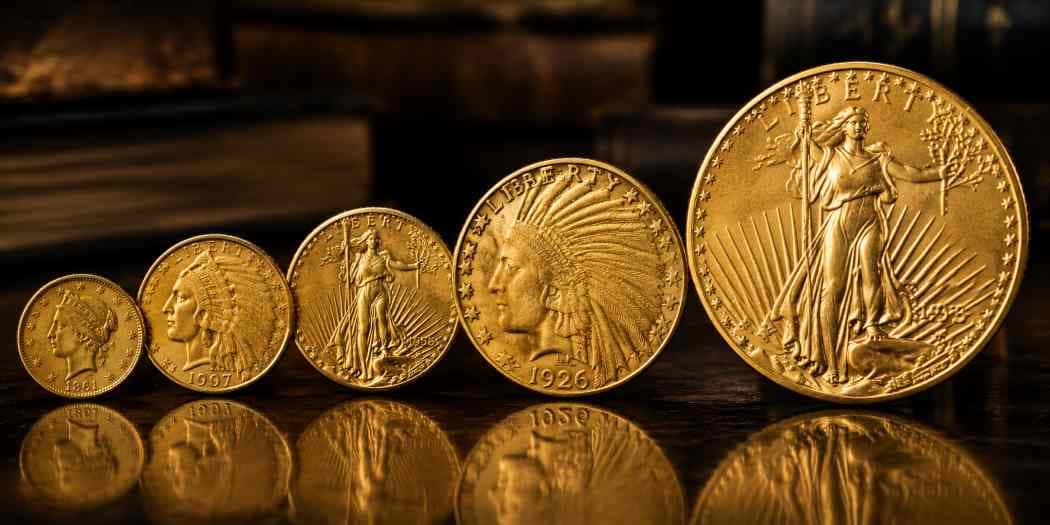
Why Rare Gold Coins Continue to Gain Attention in Modern Markets
Rare gold coins occupy a unique intersection between tangible wealth preservation and historical artistry, making them increasingly relevant in today’s uncertain financial environment. As inflation concerns, currency fluctuations, and global economic shifts continue to influence investor behavior, collectible gold has re-emerged as both a store of value and a diversification tool. Unlike generic bullion products, rare coins carry additional premiums driven by scarcity, condition, and collector demand, creating a layered value structure that appeals to both investors and numismatists.
For new investors, understanding how rare gold coins function within broader portfolio diversification strategies is essential. These assets are not only tied to the gold spot price but also influenced by historical significance, grading standards, and market sentiment in the numismatic sector.
How Market Conditions Shape Demand for Rare Gold Coins
Market conditions play a significant role in shaping demand for collectible gold. During periods of inflation or financial uncertainty, investors often turn to tangible assets, increasing interest in both bullion and numismatic gold. However, rare coins behave differently from standard bullion because their premiums are less directly tied to spot price movements and more influenced by collector activity and scarcity-driven competition.
When liquidity tightens or equity markets become volatile, rare gold coins can experience increased demand as investors seek assets with long-term stability and historical value. Conversely, in strong equity bull markets, demand may shift temporarily away from collectibles toward higher-risk assets. This cyclical behavior makes timing and market awareness important considerations when investing in coins.
Scarcity, Mintages, and the Value of Limited Supply Coins
One of the defining characteristics of rare gold coins is their limited supply. Unlike modern bullion coins that are produced annually in large quantities, many collectible gold coins were minted in restricted numbers, with some surviving in even smaller populations due to melting, loss, or circulation wear over time.
This scarcity creates a structural premium in the market. Coins with low mintages or historical production constraints often command significantly higher prices than their intrinsic gold content alone would suggest. Investors evaluating rare gold coins must therefore consider both metal value and numismatic scarcity, as these two components interact to determine long-term appreciation potential.
Evaluating Condition, Grading, and Authenticity Standards
Condition is one of the most critical factors in determining the value of collectible gold coins. Professional grading services assess coins based on factors such as strike quality, luster, surface preservation, and eye appeal. Even small differences in condition can lead to substantial price variations, especially in high-demand series.
For new investors, understanding grading scales and certification standards is essential. Third-party grading provides authentication and standardization, reducing the risk of counterfeits and ensuring market liquidity. Coins in higher grades are often significantly more desirable, particularly in rare issues where top-condition examples are limited. This makes grading knowledge a key skill in gold numismatics.
Historical Significance and Institutional Influence on Coin Value
Rare gold coins often carry historical importance that extends beyond their material composition. Many originate from pivotal periods in monetary history, reflecting changes in economic systems, national identity, and global trade development. This historical context adds an additional layer of value that is independent of gold spot price movements.
Institutional factors, including mint reputation and government backing, also influence long-term desirability. Coins produced by well-established mints or those with documented historical circulation tend to maintain stronger demand in secondary markets. As a result, investors often view these coins not just as commodities, but as preserved artifacts of monetary evolution.
Building a Strategic Approach to Coin-Based Portfolio Diversification
Incorporating rare gold coins into a portfolio requires a balanced approach that considers liquidity, risk tolerance, and long-term objectives. Unlike bullion, which is primarily used for direct exposure to gold prices, collectible coins offer both metal value and potential numismatic appreciation.
A well-structured strategy often includes a mix of bullion for liquidity and rare coins for long-term value enhancement. This combination allows investors to benefit from gold’s traditional role as a hedge while also gaining exposure to collector-driven price appreciation. However, diversification within numismatics itself is also important, as different coin types and eras can behave differently in various market conditions.
Market Liquidity and Exit Strategies for Collectible Gold
Liquidity is an important consideration when investing in rare gold coins. While bullion can typically be sold close to spot price through dealers or exchanges, collectible coins require a more specialized marketplace. Their resale value depends on demand from collectors, dealers, and auction markets.
Understanding exit strategies is essential before making purchases. Coins with strong demand histories, recognized grading certifications, and broad collector appeal tend to offer more reliable liquidity. In contrast, highly niche or obscure issues may take longer to sell or require deeper discounts, even if they are rare.
Long-Term Outlook for Rare Gold Coins in Evolving Financial Systems
The long-term outlook for rare gold coins remains closely tied to both macroeconomic conditions and the evolving role of tangible assets in diversified portfolios. As financial systems become increasingly digital, physical assets with historical significance may continue to attract interest from investors seeking stability and diversification.
At the same time, inflationary pressures and global economic uncertainty reinforce the appeal of gold-backed assets. Rare coins, in particular, offer a hybrid value proposition that combines intrinsic metal value with collectible scarcity. This dual nature positions them as enduring assets within both traditional and modern investment frameworks.