View Charts
Silver’s Moment: Why the Silver Price Is Outshining Gold
 0
0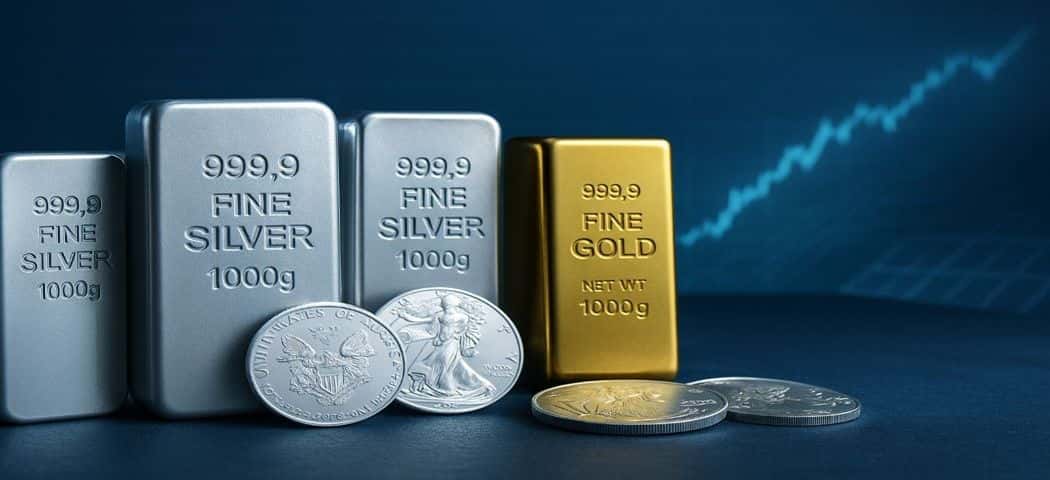
Silver Price Today: The Metal Outpacing Gold in 2025
Silver has stepped into the spotlight in 2025. After months of steady trading, the silver price today has begun to outperform gold on a percentage basis — a shift that has captured the attention of investors, analysts, and bullion enthusiasts worldwide. Long considered gold’s more volatile counterpart, silver is now proving its strength as both an industrial and monetary asset.
This article explores why silver’s performance is outpacing gold’s — from the effects of Federal Reserve rate cuts and inflation data to global industrial demand in renewable energy, technology, and manufacturing. Whether you’re an investor looking for growth potential or a collector seeking tangible value, understanding silver’s resurgence is key to navigating today’s evolving precious metals market.
Silver Price Performance in 2025: Record Highs and a Healthy Pullback
The silver price in 2025 has delivered one of its strongest annual performances in decades, surging nearly 88% year-to-date before reaching a new all-time high of $54.47 per ounce on October 17. This record-setting rally reflects a convergence of bullish factors — surging industrial demand, dovish monetary policy signals, and heightened investor appetite for safe-haven and inflation-hedging assets.
Since setting that peak, the silver price today has moderated to around $49.00 per ounce, marking about a 10% pullback from its highs. Analysts attribute this temporary dip to profit-taking and a brief rebound in the U.S. dollar and Treasury yields. Most market experts view the correction as healthy consolidation, allowing prices to stabilize after months of strong upward momentum.
Historically, silver tends to retrace modestly following major breakouts before establishing firmer support levels. With industrial demand expanding and the Federal Reserve’s recent rate cuts supporting liquidity, the long-term trend for silver remains decisively bullish.
Many strategists consider this moment a strategic accumulation window for investors seeking to expand silver holdings ahead of the next potential upswing. As renewable energy infrastructure, electric vehicle production, and semiconductor manufacturing continue to accelerate, silver’s dual identity as both an industrial and investment metal positions it strongly for further gains into 2026.
Economic and Monetary Forces Powering Silver’s Strength
The Federal Reserve’s recent interest rate cuts have been a turning point for precious metals. Lower rates typically weaken the U.S. dollar and reduce real yields, creating favorable conditions for non-yielding assets like silver and gold. However, silver’s affordability and industrial versatility give it a unique edge in this environment.
With inflation cooling and global uncertainty persisting, investors are reallocating capital into tangible assets that can retain purchasing power. While gold remains the classic hedge, silver’s dual appeal — both as a store of value and a critical industrial metal — is amplifying its gains.
Historically, silver reacts more dramatically to shifts in monetary policy, meaning periods of easing or dovish pivots tend to drive larger price swings. As a result, the silver price has outperformed gold’s on a percentage basis, suggesting a market entering the early stages of a renewed silver cycle.
Industrial Demand: The Catalyst Behind Silver’s Rally
Silver’s value is underpinned by its expanding industrial applications — a factor distinguishing it from purely monetary metals like gold.
-
Solar Power Expansion: Silver’s superior conductivity makes it indispensable for photovoltaic cells. With renewable energy investment accelerating worldwide, silver demand from the solar sector continues to soar.
-
Electric Vehicles (EVs): Each modern EV requires up to two ounces of silver in wiring, sensors, and circuit systems, linking silver directly to the clean-energy transition.
-
Semiconductors and AI Technology: Silver’s use in microchips and data infrastructure has grown alongside the rapid development of artificial intelligence and automation.
-
Limited Mine Supply: Most silver is produced as a byproduct of copper or zinc mining, which means new supply can’t easily scale to meet surging industrial needs.
This combination of constrained supply and strong consumption creates a structural tailwind — positioning silver as a critical resource for the next decade of industrial growth.
The Silver-to-Gold Ratio: Measuring Relative Value
The silver-to-gold ratio — the number of ounces of silver needed to buy one ounce of gold — is a classic indicator of relative performance between the two metals. Historically, this ratio hovers around 60–65:1, but it can widen or contract depending on market sentiment.
In early 2025, the ratio stood near 100:1. Today, it has tightened closer to 80:1, signaling silver’s growing strength relative to gold. Historically, when the ratio contracts, it often marks the start of a bullish phase for silver.
For investors, monitoring this metric can provide key insights: a high ratio may indicate silver is undervalued, while a falling ratio confirms its outperformance is well underway.
Market Sentiment and Investment Trends
Investor interest in silver has surged as both institutional and retail buyers recognize its strategic role in diversified portfolios. Silver-backed ETFs have seen substantial inflows this quarter, while futures data shows rising speculative positions on the long side.
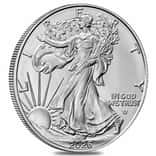
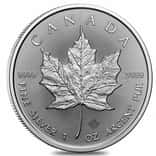
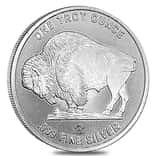
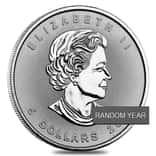
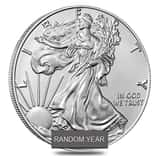
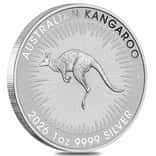
At the same time, physical silver bullion sales have strengthened. Demand for popular coins such as the American Silver Eagle, Canadian Silver Maple Leaf, and Perth Mint Kangaroo has grown significantly. Retail buyers are drawn to silver’s affordability and long-term appreciation potential — especially as inflation concerns persist.
Premiums on physical silver remain elevated, reflecting tight market conditions. For investors tracking real-time values, Bullion Exchanges provides access to the live silver price today along with competitive bullion pricing and authenticated coins and bars from world mints.
Silver vs. Gold: Understanding the Performance Gap
Although gold and silver often move together, their fundamentals differ in meaningful ways:
-
Industrial Dependency: Silver’s broader industrial demand base gives it leverage in times of economic growth, while gold remains driven primarily by monetary and geopolitical factors.
-
Affordability and Accessibility: Silver’s lower cost per ounce allows investors to accumulate more ounces at a smaller capital outlay, appealing to new and small-scale buyers.
-
Volatility: Silver typically experiences sharper swings than gold — rising faster in bull markets but also correcting more quickly in downturns.
-
Portfolio Synergy: Holding both metals offers balance — gold for wealth preservation and silver for growth potential.
As the market adjusts to lower interest rates and industrial expansion, silver’s unique balance of affordability, scarcity, and utility continues to draw investors looking for upside exposure.
Analysts’ Outlook: Silver’s Path Forward
Many analysts believe the silver price could continue to rise into 2026, with targets ranging between $45 and $50 per ounce depending on macroeconomic conditions. The key drivers remain clear:
-
Continued monetary easing from the Federal Reserve and global central banks.
-
Sustained industrial demand from green technology, EVs, and semiconductors.
-
Limited new mining supply amid declining ore grades.
While volatility is expected, the long-term trajectory for silver appears strong. Historical data shows that silver tends to outperform during the later stages of an easing cycle, when economic growth begins to recover but inflation remains above trend.
How to Invest in Silver Effectively
For investors and stackers, there are multiple ways to gain exposure to the silver market:
-
Physical Bullion: The most secure and tangible option, allowing investors to directly own silver coins or bars.
-
ETFs and Funds: Offer liquidity and market tracking but lack physical ownership.
-
Mining Stocks: Provide leverage to silver price movements, though they carry operational and market risk.
-
Dollar-Cost Averaging: A smart strategy for building positions gradually, smoothing out volatility.
Those looking to buy silver bullion should choose reputable dealers such as Bullion Exchanges, which offers authenticated, competitively priced silver products from globally trusted mints.
The Bullion Exchanges Advantage
At Bullion Exchanges, investors can explore live pricing tools and educational resources that empower informed decision-making. Our platform provides access to an extensive selection of gold, silver, platinum, and palladium bullion — including limited-edition coins and new releases.
With secure shipping, insured delivery, and guaranteed authenticity, Bullion Exchanges ensures every transaction meets the highest industry standards. Whether you’re a first-time buyer or seasoned investor, our goal is to make precious metals investing seamless and secure.
Silver’s Bright Outlook for 2025 and Beyond
Silver’s resurgence is not a short-lived phenomenon — it reflects long-term shifts in technology, energy, and monetary policy. As renewable infrastructure expands and global central banks continue easing, silver’s dual role as an industrial and investment metal positions it for enduring strength.
For investors seeking an asset that combines utility, affordability, and growth potential, silver offers compelling value. The silver price today continues to demonstrate resilience, signaling renewed confidence in this versatile precious metal.
From solar energy to safe-haven demand, silver’s modern renaissance is underway — and investors who recognize its potential early may find it one of the decade’s most rewarding opportunities.