View Charts
Silver FAQs: 30 Smart Answers for Buyers and Investors
 0
0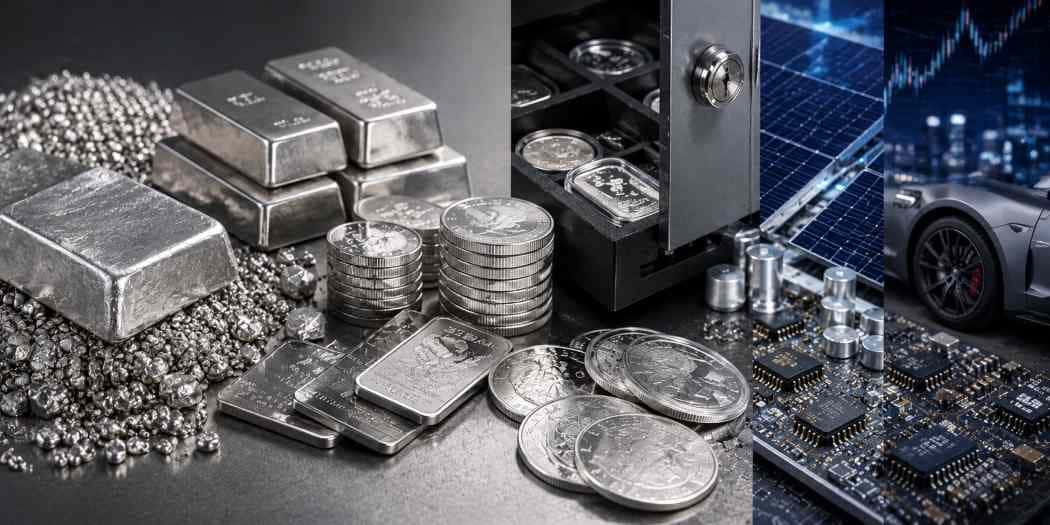
Silver Questions Matter More as Prices, Supply and Demand Shift
Silver is one of the most widely followed precious metals because it moves between two worlds: investment demand and industrial consumption. Buyers watch the silver spot price for opportunities, but the metal is also shaped by solar energy, electronics, electric vehicles, defense technology, medical devices, inflation expectations, ETF flows, and broader precious metals sentiment. That dual role makes silver more volatile than gold, but also more dynamic for investors who understand its drivers.
Interest in silver has grown as the market continues to face tight supply conditions. The Silver Institute has projected another annual market deficit for 2026, marking a sixth consecutive year in which global silver demand is expected to exceed total supply. That does not mean every product will be unavailable or that prices only move higher. It does mean silver buyers should understand spot pricing, premiums, coins, bars, storage, liquidity, taxation, and the industrial trends that influence long-term demand.
Silver Pricing and Market Movement Questions
1. What determines the price of silver?
Silver prices are determined by a combination of investment demand, industrial consumption, mine supply, recycling, currency movement, interest rates, inflation expectations, futures trading, ETF flows, and physical bullion buying. Unlike gold, silver has a much larger industrial demand component, which makes it sensitive to manufacturing trends and economic growth. A stronger U.S. dollar or rising Treasury yields can pressure silver, while supply deficits, safe-haven demand, and strong industrial use can support prices.
2. What is the silver spot price?
The silver spot price is the current market price for one troy ounce of silver available for immediate settlement. It serves as the benchmark for pricing silver bullion coins, bars, and rounds. Retail products usually cost more than spot because buyers pay premiums for minting, refining, packaging, distribution, insurance, and dealer costs. Spot price changes throughout the trading week as global markets respond to economic data, investor demand, and futures activity.
3. Why does physical silver cost more than spot?
Physical silver costs more than spot because finished bullion products require fabrication, transportation, packaging, storage, insurance, and distribution. Premiums also reflect product demand and available supply. A large wholesale silver bar may carry a lower premium than a government-minted coin because it is simpler to manufacture and distribute. During periods of high retail demand, premiums can rise even if the spot price is flat or declining.
4. Why is silver more volatile than gold?
Silver is usually more volatile than gold because its market is smaller and more sensitive to shifts in investor positioning. It also responds to both precious metals demand and industrial demand, creating more moving parts. When traders expect stronger growth, silver may benefit from industrial optimism. When economic concerns rise, it can weaken alongside industrial commodities. This dual identity often creates sharper price swings than gold.
5. Is silver a good inflation hedge?
Silver can serve as an inflation hedge, but it does not always behave the same way as gold. Investors may buy silver when they worry about currency weakness or rising living costs, especially because it is more affordable per ounce than gold. However, if inflation pushes interest rates and Treasury yields higher, silver can face pressure. Its inflation-hedge appeal is strongest when monetary concerns combine with solid physical demand.
6. How do interest rates affect silver prices?
Interest rates affect silver because higher yields can reduce demand for non-yielding assets. When investors can earn more from bonds or cash equivalents, precious metals may become less attractive in the short term. Silver can also react to rates through the industrial side of the market. Higher borrowing costs can weigh on manufacturing, solar investment, and consumer demand, which may pressure silver more than gold.
7. What role does the U.S. dollar play in silver pricing?
The U.S. dollar plays a major role because silver is priced globally in dollars. When the dollar strengthens, silver becomes more expensive for buyers using other currencies, which can reduce demand. When the dollar weakens, silver may become more attractive internationally. The dollar’s impact is not automatic, but it is one of the key variables traders watch each day when analyzing precious metals prices.
8. How do ETF flows affect silver?
Silver ETF flows show whether investors are adding or reducing exposure through financial markets. Strong ETF inflows can support silver by increasing demand for metal-backed investment products. Outflows can pressure sentiment, especially if investors are taking profits or shifting into other assets. ETF activity is most useful when viewed alongside physical premiums, futures positioning, industrial demand, and vault inventory data.
Silver Buying and Product Questions
9. What is the difference between silver coins, rounds, and bars?
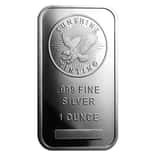
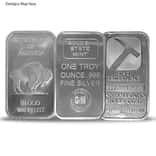
Silver coins are typically issued by government mints and may carry legal-tender status. Silver rounds are privately minted pieces that resemble coins but are not legal tender. Silver bars are rectangular bullion products made by private refiners or mints. Coins often carry higher premiums because of recognition and government backing, while bars and rounds may offer more cost-efficient exposure to silver content.
10. Are silver coins better than silver bars?
Silver coins are often better for buyers who value recognition, liquidity, and smaller resale units. Silver bars may be better for investors who want lower premiums and larger silver exposure. The best choice depends on budget, storage, resale plans, and whether the buyer prioritizes flexibility or cost efficiency. Many investors hold both coins and bars to balance liquidity and premium control.
11. What is a troy ounce of silver?
A troy ounce is the standard unit used to measure silver and other precious metals. One troy ounce equals approximately 31.1035 grams, which is heavier than the standard ounce used in everyday measurements. Silver bullion prices are usually quoted per troy ounce, so understanding the unit is essential when comparing coins, bars, rounds, and spot price.
12. What does .999 fine silver mean?
.999 fine silver means the product is 99.9% pure silver. This is the most common purity level for modern silver bullion coins, bars, and rounds. Some products may be .9999 fine silver, while historic coins often contain lower silver content because they were alloyed for durability. Purity matters because it affects melt value, product specifications, and market recognition.
13. What is junk silver?
Junk silver refers to common circulated coins that contain silver but do not usually carry significant numismatic value. In the United States, the term often refers to pre-1965 dimes, quarters, and half dollars containing 90% silver. These coins are valued mainly for their silver content rather than rarity. Many buyers like junk silver because it offers small fractional units and strong historical familiarity.
14. What is the difference between bullion and numismatic silver?
Bullion silver is valued primarily for its metal content, while numismatic silver carries additional value based on rarity, age, condition, mintage, historical importance, or certified grade. A silver bar or widely traded bullion coin usually tracks spot price closely. A rare Morgan Dollar or low-mintage collectible coin may trade far above melt value because collectors value more than the silver content.
15. Are limited-mintage silver coins worth buying?
Limited-mintage silver coins can be worth buying for collectors or investors who understand premium risk. A low mintage may support long-term collector interest, but it does not guarantee appreciation. Buyers should evaluate demand, condition, design, mint reputation, and resale market depth. For pure silver exposure, standard bullion may be more efficient. For collectible appeal, limited-mintage coins can offer added interest.
Supply, Demand and Shortage Questions
16. Is there a silver shortage?
The silver market has shown signs of tightness, but the word “shortage” should be used carefully. The Silver Institute expects the market to remain in deficit for a sixth consecutive year in 2026, meaning total demand is projected to exceed total supply. That does not mean silver is unavailable everywhere. It means inventories, premiums, and delivery conditions deserve close attention, especially during periods of strong investment demand.
17. Why is industrial demand so important for silver?
Industrial demand is important because silver is used in solar panels, electronics, electric vehicles, medical devices, defense systems, batteries, brazing alloys, and advanced technologies. Silver’s conductivity, reflectivity, and antimicrobial properties make it difficult to replace fully in many applications. Industrial demand gives silver a different profile than gold and can support long-term consumption even when investor sentiment changes.
18. How does solar energy affect silver demand?
Solar energy affects silver demand because photovoltaic cells use silver paste to conduct electricity efficiently. Even as manufacturers reduce silver loadings per panel, total solar installations continue to support demand. Recent industry commentary has noted that thrifting has not been enough to fully offset demand growth. This makes solar one of the most important long-term demand drivers for the silver market.
19. Where does silver supply come from?
Silver supply comes from mine production and recycling. A large portion of mined silver is produced as a byproduct of copper, lead, zinc, and gold mining, which means supply does not always respond quickly to higher silver prices. Recycling can help, especially when prices rise, but recycled supply can be uneven. This supply structure contributes to silver’s sensitivity when demand accelerates.
20. What are COMEX registered and eligible silver stocks?
COMEX registered silver is metal in approved warehouses that is available for delivery against futures contracts. Eligible silver also meets exchange standards but is not automatically deliverable unless the owner chooses to register it. Investors watch the registered-to-eligible ratio because it can show how much silver is ready for delivery compared with the broader warehouse pool. It is a useful signal, but not proof of shortage by itself.
21. What is the gold-to-silver ratio?
The gold-to-silver ratio measures how many ounces of silver are needed to buy one ounce of gold. Investors calculate it by dividing the gold price by the silver price. A high ratio may suggest silver is inexpensive relative to gold, while a low ratio may suggest silver has become more expensive compared with gold. The ratio is useful context, but it should not be used as a standalone trading signal.
22. Is silver undervalued when the gold-to-silver ratio is high?
Silver may appear undervalued when the gold-to-silver ratio is high, but the signal requires context. A high ratio can mean silver is lagging gold, yet it can also reflect weaker industrial sentiment, stronger safe-haven demand for gold, or broad economic caution. Investors often use the ratio alongside supply deficits, premiums, industrial demand, and macro trends before deciding whether silver offers relative value.
Storage, Liquidity and Ownership Questions
23. How should silver be stored?
Silver should be stored in a secure, dry location that protects it from theft, moisture, and damage. Common options include home safes, bank safe deposit boxes, private vaults, and insured depositories. Silver requires more space than gold for the same dollar value, so storage becomes more important as holdings grow. Buyers should also keep purchase records and avoid unnecessary handling of collectible pieces.
24. Does silver tarnish?
Yes, silver can tarnish when it reacts with sulfur compounds in the air. Tarnish is usually a surface discoloration and does not destroy the metal’s silver content. Bullion bars and coins may still retain their melt value even if tarnished, though collectible coins can lose appeal if improperly cleaned. For numismatic silver, cleaning is generally discouraged because it can reduce collector value.
25. Is silver easy to sell?
Silver is generally easy to sell when it is in widely recognized forms such as government bullion coins, common rounds, and standard bars. Liquidity depends on product recognition, condition, market demand, and current premiums. Large bars may be efficient to buy but less flexible to sell in small amounts. Popular coins and smaller bars often offer stronger resale convenience.
26. Is physical silver better than a silver ETF?
Physical silver and silver ETFs serve different purposes. Physical silver provides direct ownership of a tangible asset, while ETFs offer convenience and easy trading through brokerage accounts. Investors who want possession and long-term wealth preservation may prefer bullion. Traders or investors seeking quick exposure without storage responsibilities may prefer ETFs. Each option carries different liquidity, custody, and risk considerations.
27. Is silver reported to the IRS?
Buying silver does not automatically mean every transaction is reported to the IRS, but certain sales, payment methods, and product types may trigger reporting requirements. Capital gains taxes may apply when silver is sold for a profit. Rules can vary based on transaction size and circumstances, so buyers should keep records and consult a qualified tax professional for specific guidance.
Portfolio Strategy and Long-Term Outlook Questions
28. How much silver should I own?
The right amount of silver depends on financial goals, risk tolerance, portfolio size, storage capacity, and investment horizon. Some buyers use silver as a smaller diversification position alongside gold, while others favor it because of its affordability and industrial demand. Since silver is volatile, allocations should reflect comfort with price swings and the practical realities of storing physical metal.
29. Can silver lose value?
Yes. Silver can lose value because it is influenced by interest rates, dollar strength, futures positioning, industrial demand, investor sentiment, and economic growth expectations. Its volatility can be significant, especially during periods of rapid speculation or macroeconomic repricing. Long-term supply-demand themes may support silver, but buyers should expect corrections and avoid assuming that tight fundamentals prevent price declines.
30. What role does silver play in a diversified portfolio?
Silver can provide diversification, inflation sensitivity, industrial-demand exposure, and precious metals ownership at a lower price point than gold. It may appeal to investors who want tangible assets and potential upside from solar, electronics, and technology demand. However, silver’s volatility means it should be sized thoughtfully within a broader portfolio. Its strongest role is often as a complement to gold, not a replacement.
Silver’s Next Chapter Depends on Demand, Supply and Discipline
Silver’s appeal comes from its unusual mix of affordability, scarcity, industrial utility, and investment demand. It is a precious metal, a monetary hedge, and a high-demand industrial input all at once. That combination can create powerful rallies, sharp corrections, and long periods where the market debates whether price has fully reflected physical fundamentals.
For buyers, the strongest approach is to understand both sides of the market. Spot price and premiums matter for purchase timing. Industrial demand and supply deficits matter for long-term context. Product choice matters for liquidity. Storage matters because silver takes space. Numismatic value matters when buying collectible coins. The more clearly investors separate these factors, the better prepared they are to make informed silver decisions in a market where headlines often move faster than fundamentals.