View Charts
Silver Briefly Tops $45 Before Pullback: What’s Behind the Volatility?
 0
0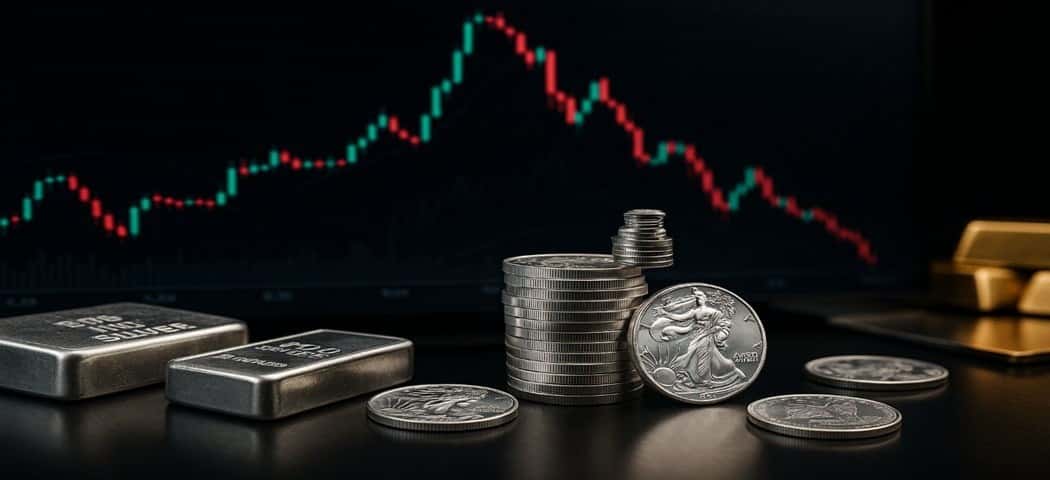
A Morning Surge, Then Retreat
Silver stole the spotlight this morning as the spot price briefly crossed the $45 per ounce mark, the highest level in more than a decade. Yet the rally was short-lived, with prices pulling back later in the session. The roller-coaster action raised a key question for investors: why the sudden spike and retreat? While silver has often been cast in gold’s shadow, its dual nature as both an investment haven and an industrial workhorse makes it especially prone to sharp swings.
Federal Reserve Policy and the Rate Cut Debate
One of the sparks behind silver’s surge was renewed speculation about U.S. monetary policy. With the Federal Reserve telegraphing a gradual approach toward interest rate cuts, real yields have softened. Lower yields lessen the appeal of holding interest-bearing assets, driving some capital toward non-yielding safe havens like silver.
Comments by Fed Chair Jerome Powell emphasized that policy shifts are about “risk management,” not an aggressive easing campaign. Traders took this as supportive for metals, initially driving silver higher. But as markets digested the remarks, profit-taking set in, fueling the pullback.
Technical Breakouts and Market Psychology
The morning rally also reflected powerful technical momentum. Silver had been building strength after lagging gold’s record highs, and once it cleared resistance near $40, momentum traders piled in. Short covering amplified the move past $45 — but just as quickly, the overbought conditions triggered selling pressure.
This is classic silver behavior: its smaller market size compared to gold makes it more volatile, often delivering dramatic surges and equally sharp reversals.
Gold’s Rally: The Key Driver
The connection between gold and silver remains central. With the gold spot price hovering around $3,750 per ounce, silver tends to follow as a leveraged play. This morning’s surge was part of that correlation — yet once gold cooled slightly, silver’s retracement was even steeper, a reminder of how exaggerated silver’s moves can be.
Lessons From Silver’s Historic Highs
History shows silver’s dramatic peaks rarely come quietly:
-
1980: Prices hit $49.45 during rampant inflation, oil shocks, and speculative buying.
-
2011: Silver nearly matched that, reaching $49.21 amid post-crisis monetary stimulus and distrust of fiat currencies.
Both episodes underscore how silver thrives when inflation, easing policy, and uncertainty converge. Today’s surge reflects similar forces, though this time underpinned by robust industrial demand — a factor less dominant in earlier peaks.
The Gold-to-Silver Ratio: A Hidden Signal
Another piece of the puzzle is the gold-to-silver ratio. Historically averaging about 60:1, the ratio today sits closer to 83:1, with gold near $3,750 and silver briefly above $45. This elevated ratio suggests silver is undervalued relative to gold, fueling bullish speculation. But the sharp intraday pullback shows how long it may take for the ratio to normalize.
Dollar Weakness and Global Demand
A softer U.S. dollar provided additional fuel, making dollar-denominated commodities like silver cheaper for foreign buyers. Still, currency-driven gains can be fleeting, and today’s retreat shows how quickly demand can fade when momentum slows.
Safe-Haven Status Meets Industrial Backbone
Silver’s safe-haven role is magnified by its industrial demand. Ongoing geopolitical tensions, trade disputes, and persistent inflation pushed investors toward tangible assets. At the same time, silver’s role in solar panels, electric vehicles, and electronics provides fundamental demand. This dual driver helps explain the violent price swings — both speculative capital and industrial demand converge, intensifying volatility.
Tight Physical Supply and Rising Lease Rates
On the supply side, inventories remain tight, with above-ground stocks steadily declining and mining output challenged by geopolitical risks. Reports of rising lease rates reflect the growing cost of accessing physical silver. This scarcity contributed to the morning spike, but once traders sensed thin liquidity, profit-taking amplified the retreat.
Why the Roller Coaster?
Silver’s volatility is a product of its unique position. Strong fundamentals — from Fed policy shifts to industrial demand — make the long-term case bullish. But its relatively small market size, heavy speculative interest, and history of exaggerated moves mean sharp pullbacks are inevitable.
What It Means for Investors
For long-term holders, silver’s ability to briefly top $45 underscores its potential as both a safe-haven asset and an industrial growth story. The pullback doesn’t erase its bullish fundamentals but highlights the importance of patience and risk management.
For short-term traders, today’s action is a reminder: silver rallies can be fast, furious, and fragile. Understanding technical levels, Fed policy signals, and gold’s direction is critical to navigating the turbulence.
Silver’s Volatile but Vital Role
Silver’s brief run past $45 wasn’t just a headline — it was a showcase of the metal’s enduring relevance and volatility. From historical echoes to modern industrial demand, silver remains one of the most dynamic assets in the precious metals space. For investors and collectors, today’s roller coaster is both a challenge and an opportunity — a reminder that while silver swings hard, its long-term story remains compelling.
Another article that may interest you:
Gold vs. Silver: Which Is the Better Investment in 2025?