View Charts
Platinum Essentials: Top 25 FAQs for Investors and Collectors
 0
0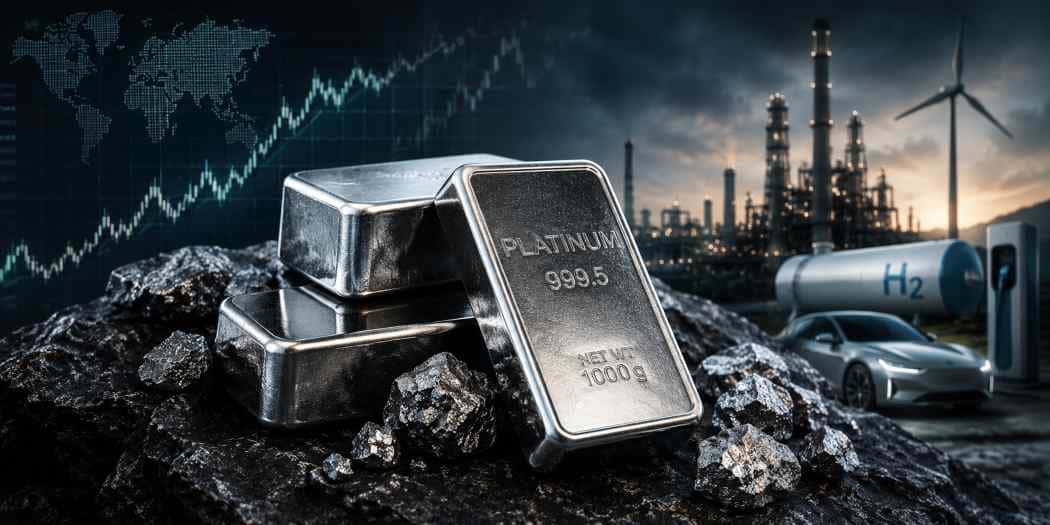
Platinum Matters Now: Dual Industrial & Investment Roles
Platinum’s unique position as both a critical industrial metal and a precious metal investment makes it especially relevant in 2026. With expanding green energy technologies, including hydrogen fuel cells and catalytic converter demand, platinum joins gold and silver in diversified portfolios. Its price behavior is shaped not only by traditional macro drivers—such as currency movements and inflation expectations—but also by industrial consumption trends and supply dynamics. This comprehensive FAQ guide answers the 25 most important questions about platinum, helping investors, collectors, and metals enthusiasts understand the metal’s value, uses, and market nuances.
Market Fundamentals and Platinum Pricing
1. What factors determine platinum prices?
Platinum prices are influenced by a complex blend of supply conditions, industrial demand, currency strength, and investor sentiment. A significant portion of demand originates from automotive catalytic converters and green energy applications, making industrial data vital. Supply disruptions in major producing regions (like South Africa) can spike prices, while a stronger U.S. dollar often tempers them. Futures markets, ETF flows, and macroeconomic expectations also contribute to short‑term price movement.
2. How is the platinum spot price used?
The platinum spot price represents the current market value for immediate delivery of one troy ounce of platinum. It serves as a baseline for pricing physical bullion bars and coins. Dealers adjust the spot price with premiums reflecting manufacturing, distribution, and inventory costs. Investors often track the spot price to gauge market trends or determine optimal purchase timing.
3. Why does platinum often trade differently than gold?
Platinum’s industrial linkage sets it apart from gold, which is primarily a monetary and safe‑haven asset. In strong economic expansions with increased manufacturing and auto production, platinum can outperform gold. Conversely, during risk‑off environments or deep recessions, gold typically outshines platinum as investors seek liquidity and preservation. Understanding this divergence helps refine allocation strategies.
4. What role does the U.S. dollar play in platinum markets?
Since platinum is priced in U.S. dollars globally, dollar strength and weakness significantly influence buying power. A stronger dollar generally makes platinum more expensive for foreign holders, potentially reducing demand. A weaker dollar often stimulates demand as metals become more accessible internationally. This dynamic interacts with industrial demand and speculation to shape price direction.
5. How do futures and ETFs impact platinum pricing?
Platinum futures enable hedging and directional trading, reflecting expectations about future supply and demand. ETF flows, where investors allocate capital to platinum‑backed funds, can signal investor sentiment and liquidity conditions. Heavy inflows may support prices, while large redemptions can exert downward pressure, especially during risk‑off market phases.
Industrial Demand and Supply Dynamics
6. What industries use platinum most heavily?
The automotive sector remains the largest consumer, with catalytic converters uniquely reliant on platinum for emission control. Chemical processing, petroleum refining, and certain electronics applications also incorporate platinum due to its catalytic and durability properties. Emerging hydrogen fuel‑cell technology further expands platinum’s industrial importance, linking it to energy transition narratives.
7. How do automotive trends affect platinum?
Vehicle production directly drives platinum consumption. Stricter emissions standards and higher production of gasoline and hybrid cars typically elevate demand. Conversely, if electric vehicles (with no catalytic converters) dominate without hybrid production, platinum use could soften. Monitoring auto sector trends helps project near‑term platinum demand.
8. Does recycling offset platinum supply constraints?
Recycling automotive catalytic converters and industrial scrap contributes to the overall supply, but it doesn’t fully replace primary mine output. Recycled platinum acts as a buffer, especially during high price environments, but supply remains constrained relative to strong industrial demand. Investors should consider recycling as part of overall supply fundamentals, not a wholesale substitution.
9. How concentrated is platinum supply?
Platinum production is geographically concentrated, with the bulk coming from South Africa, Russia, and smaller contributions from Canada and Zimbabwe. This concentration increases vulnerability to regional disruptions, labor strikes, and geopolitical issues. Supply risk remains a core consideration for investors assessing long‑term price potential.
10. Is there a platinum shortage?
While cyclically there may not always be a structural shortage, demand often outpaces supply during economic expansions or technological adoption phases. Seasonal and regional supply disruptions can create temporary deficits, supporting spot price strength. Evaluating mine output trends and industrial forecasts is critical for understanding supply tightness.
Investing in Platinum – Products and Strategies
11. What investment vehicles exist for platinum?
Investors can access platinum through physical bullion bars and coins, ETFs, futures contracts, and structured notes. Physical bullion provides tangible ownership and a hedge against systemic risks. ETFs offer liquidity and convenience without storage needs, while futures allow advanced hedging or leverage strategies.
12. How do platinum coins differ from bars?
Coins typically carry government backing and may have collectible value beyond metal content, while bars are a cost‑efficient means to accumulate pure metal. Coins often have higher premiums than bars but are more recognizable on secondary markets. Bars are attractive for larger, cost‑effective holdings.
13. Are platinum ETFs a good alternative to physical metal?
Platinum ETFs offer a liquid, cost‑efficient way to gain exposure without the burden of storage or insurance. They are suitable for investors seeking price participation with ease of trading. However, ETFs lack the tangibility and portfolio insurance value that physical bullion can provide during market stress.
14. What are futures and options?
Futures contracts obligate the buyer to purchase platinum at a predetermined price on a future date, useful for hedging or speculative strategies. Options provide the right, but not the obligation, to execute trades, offering strategic flexibility. These instruments require expertise and risk management skills.
15. How should investors decide between physical and paper platinum?
The choice depends on goals, horizon, liquidity needs, and risk tolerance. Physical platinum suits long‑term holders and wealth preservation strategies. Paper platinum (ETFs, futures) works for tactical trading, portfolio rebalancing, or hedging. Often, a blended approach delivers diversification benefits.
Practical Considerations for Buyers
16. What premiums should investors expect?
Premiums over spot price reflect minting, distribution, storage, and dealer costs. Coins—especially limited editions—carry higher premiums than generic bars. Premiums can widen in times of strong demand or supply constraints, so timing and product selection matter.
17. How do I authenticate platinum bullion?
Reputable products include assay certificates, mint stamps, and serial numbers for bars. Buying from established dealers minimizes counterfeit risk. Third‑party verification and grading services add confidence, particularly for collectible coins.
18. Is storage necessary for physical platinum?
Yes—secure, dry, insured storage preserves value and prevents environmental degradation. Options include home safes, bank safe deposit boxes, and professional vault storage. Each option has cost and accessibility trade‑offs.
19. Does platinum tarnish or degrade?
Platinum is highly resistant to tarnish and corrosion, maintaining appearance over long periods. Unlike silver, which can oxidize, platinum’s durability makes it ideal for long‑term physical holding.
20. What tax implications apply to platinum?
Tax treatment varies by country and investment vehicle. Physical bullion may incur capital gains on sale, while ETFs and futures have their own tax considerations. Consulting a tax professional ensures compliance and optimized outcomes.
Platinum in Portfolios and Long‑Term Thinking
21. Should platinum be part of retirement accounts?
Yes—self‑directed IRAs and similar retirement vehicles can hold platinum bullion, subject to regulatory compliance. Inclusion adds diversification and inflation hedging potential. Investors must work with custodians who specialize in precious metals.
22. How much platinum should be in a diversified portfolio?
Allocations vary based on risk appetite and goals. A modest allocation (e.g., 3–10%) can enhance diversification alongside gold and silver. Higher allocations may suit investors with strong convictions in industrial demand or specific macro views.
23. How does platinum perform during recessions?
During recessions, platinum often underperforms gold, as industrial demand slows. In such environments, safe‑haven metals like gold and government bonds may attract more interest. Understanding cyclical behavior helps set expectations and manage risk.
24. Does platinum hedge inflation?
As a tangible asset, platinum retains intrinsic value and can act as part of an inflation‑hedge strategy. It is less correlated with inflation than gold but provides diversification against currency devaluation and purchasing power erosion.
25. How do geopolitical events influence platinum?
Because production clusters in a few regions, geopolitical tensions, trade policy shifts, or sanctions can disrupt supply and create price volatility. Investors who monitor global developments gain an edge in anticipating market fluctuations.
Strategic Platinum Exposure for Today’s Markets
Platinum’s blend of industrial indispensability and precious metal characteristics makes it a unique asset in diversified portfolios. Its price behavior can diverge meaningfully from gold and silver due to automotive demand, green energy trends, and constrained supply. Whether acquired as physical platinum bars, coins, ETFs, or futures, platinum offers opportunities for inflation hedging, growth participation, and risk management. Understanding industrial drivers, macroeconomic factors, and practical considerations such as storage and taxation empowers investors to make informed decisions. As global demand patterns evolve—particularly in clean energy and automotive sectors—platinum remains a compelling choice for long‑term strategic allocation.
Related reading you may find interesting:
Palladium Investment FAQs: 25 Questions Every Investor Should Know