View Charts
Physical Silver vs Paper Silver: What Investors Should Know
 0
0
Understanding the Difference Between Physical and Paper Silver
As interest in silver continues to rise, many investors are asking an important question: what is the difference between physical silver and paper silver? While both offer exposure to the silver market, they function very differently and carry distinct risks, benefits, and use cases. Understanding these differences is critical for investors navigating periods of market volatility, supply tightness, and shifting demand.
Physical silver represents direct ownership of a tangible asset, while paper silver consists of financial instruments that track silver’s price without requiring possession of the metal itself. Although both respond to movements in the price of silver, their behavior during market stress can diverge sharply.
What Is Physical Silver?
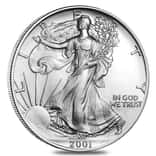
Physical silver refers to actual silver metal in the form of coins, bars, and rounds. These products are manufactured by government mints and private refiners and are purchased for delivery or secure storage. Common examples include American Silver Eagles, silver bars, and kilo silver bullion.
When investors buy physical silver, they own a specific quantity of metal with intrinsic value independent of financial markets. This ownership is not reliant on counterparties, clearinghouses, or financial intermediaries. For many investors, physical silver serves as a hedge against inflation, currency debasement, and systemic risk.
What Is Paper Silver?
Paper silver includes financial products designed to mirror the price of silver without requiring physical delivery. These instruments include futures contracts, exchange-traded funds (ETFs), unallocated accounts, and silver-backed derivatives.
While paper silver provides convenient price exposure, it does not always guarantee access to actual metal. In many cases, multiple claims may exist against the same underlying silver reserves. This structure works efficiently under normal market conditions but can introduce risk during periods of extreme demand or supply disruption.
Liquidity vs Ownership: A Key Trade-Off
One of the main advantages of paper silver is liquidity. Paper instruments can often be bought and sold instantly with minimal transaction costs. This makes them attractive for short-term trading or speculative strategies.
Physical silver, by contrast, involves storage, insurance, and delivery considerations. However, physical ownership eliminates reliance on financial institutions and offers certainty of possession. During periods when silver shortages emerge or premiums rise, physical silver often diverges from paper pricing—highlighting the difference between price exposure and asset ownership.
How Silver Shortages Expose the Difference
During times of high demand, investors often discover that paper silver trades smoothly while physical silver becomes harder to obtain. This disconnect occurs because paper markets can expand independently of physical supply.
When physical silver inventories tighten, premiums increase even if the spot price of silver remains stable. This phenomenon underscores why physical silver behaves differently during market stress. Investors seeking immediate access to metal often prioritize physical holdings precisely because paper instruments may not convert into deliverable silver when demand spikes.
Counterparty Risk and Market Stability
Paper silver inherently involves counterparty risk. Futures contracts depend on clearinghouses, ETFs rely on custodians, and unallocated accounts depend on institutional balance sheets. While these systems are generally reliable, they are not immune to systemic disruptions.
Physical silver carries no counterparty risk when held directly or in fully allocated storage. This distinction becomes especially relevant during financial crises, currency instability, or periods of heightened market uncertainty.
The Role of the Gold-to-Silver Ratio
Investors evaluating physical vs paper silver often consider the gold-to-silver ratio as part of their strategy. When the ratio compresses, silver tends to outperform gold on a percentage basis. During such periods, physical silver demand often increases faster than paper demand, amplifying supply constraints.
Monitoring both the price of gold and the price of silver provides insight into relative value and potential market shifts—particularly when physical premiums begin to rise ahead of paper prices.
Which Approach Is Right for Investors?
There is no single correct approach. Many investors use paper silver for short-term exposure and physical silver for long-term wealth preservation. Others focus exclusively on physical ownership as a form of financial insurance.
The key is understanding what each option provides—and what it does not. Paper silver tracks price movements efficiently, while physical silver offers direct ownership, scarcity, and independence from the financial system.
Why the Distinction Matters More Than Ever
In calm markets, physical and paper silver often appear interchangeable. In stressed markets, their differences become unmistakable. As silver demand grows and supply remains constrained, understanding the distinction between physical silver and paper silver is no longer optional—it is essential.
For investors seeking resilience, transparency, and true ownership, physical silver remains a foundational asset. For those focused on trading and liquidity, paper silver offers flexibility—but not certainty of delivery. Knowing how and when to use each can make all the difference in navigating today’s evolving silver market.
Related reading you may find interesting:
Why Silver Premiums Stay Elevated in Today’s Market