View Charts

Palladium's Post-Midterm Surge: Rebound or Turning Point?
 0
Palladium Leads a Precious-Metals Rebound After the Midterm Elections
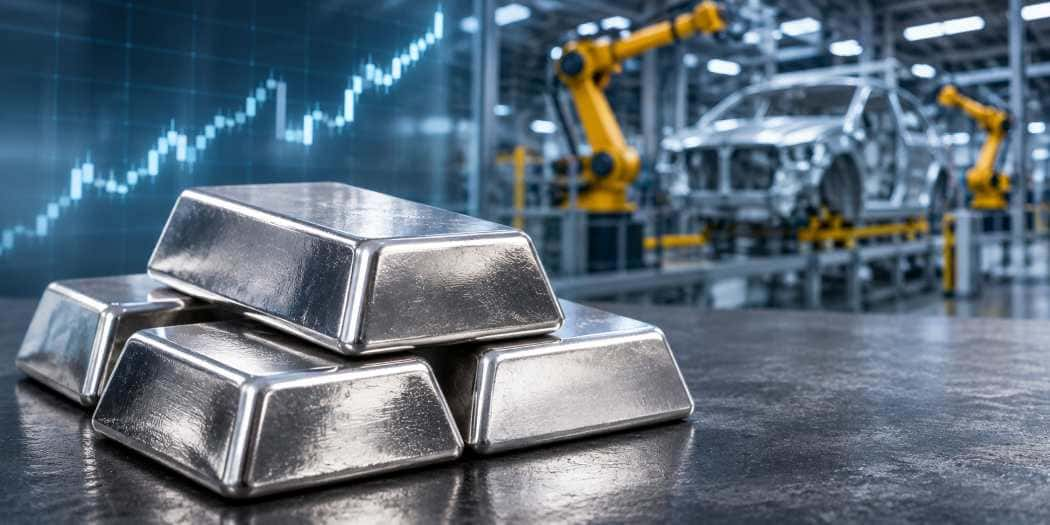
Palladium emerged as the strongest performer among the major precious metals on November 4, 2026, as a broad market rebound followed the U.S. midterm elections. Gold reclaimed $4,000 per ounce and silver moved above $50, but palladium posted an even larger percentage gain, rising approximately 6% during morning trading. The contrast raises an important question: why is a metal facing substantial industrial-demand challenges leading a rally associated with political and monetary developments?
The immediate backdrop was favorable for precious metals. Democratic victories in both chambers of Congress prompted investors to reassess U.S. fiscal policy, contributing to a weaker dollar and an initial decline in Treasury yields. Yet those developments do not fully explain palladium's outperformance. Its recent losses, changing supply-and-demand outlook and sensitivity to shifts in market positioning provide a more revealing explanation of Wednesday's unusually strong move.
The rally also exposes a distinction between a recovery in market prices and an improvement in underlying fundamentals. Palladium can experience substantial gains even when forecasts for automotive consumption remain weak. Understanding that apparent contradiction is essential to evaluating whether the latest advance represents a temporary rebound or the beginning of a more durable recovery.
Why Palladium Had Been Falling Before the Rally
Wednesday's surge followed a difficult period for palladium. The metal had lost considerable ground during October, reflecting concerns about automotive demand, electric-vehicle adoption and the possibility that years of constrained supply could give way to a more balanced market. Its recovery therefore began from a substantially weaker position than gold's.
That background matters when comparing percentage gains. A metal that has experienced sustained selling can rebound sharply when sentiment improves, particularly if investors who previously reduced exposure begin returning to the market. Traders holding bearish positions may also face pressure to buy when prices rise unexpectedly, potentially amplifying the move. However, there is no confirmed evidence that short covering was the principal driver of Wednesday's advance.
The market's smaller size adds another complication. Palladium has fewer sources of investment and industrial demand than gold, and its trading activity is considerably thinner. This can make price adjustments more pronounced when buyers and sellers suddenly reassess expectations. The mechanics were examined in an earlier article on why palladium can move faster than gold and silver. The new question is whether Wednesday's buying reflects a meaningful change in those expectations.
The Automotive Outlook Has Not Suddenly Improved
Palladium's largest demand challenge remains its dependence on gasoline-powered vehicles. The metal is used in catalytic converters that reduce harmful exhaust emissions, making vehicle production, emissions requirements and powertrain technology central to its long-term consumption outlook.
According to Johnson Matthey's 2026 platinum-group-metals market report, palladium demand is forecast to decline by 9% this year. The company expects lower gasoline-vehicle production and reduced investment demand to contribute to that weakness. After persistent deficits between 2012 and 2025, the palladium market could move into a small surplus during 2026.
Those forecasts have not been overturned by the election results. Battery-electric vehicles do not require conventional exhaust catalysts, and their growing market share remains a structural challenge. However, the transition is not uniform. Hybrid and plug-in hybrid vehicles still use internal-combustion engines and require emissions-control systems, potentially supporting palladium consumption for longer than earlier electrification forecasts anticipated.
The difference between vehicle technologies makes future demand harder to predict than a simple decline in gasoline-car sales would suggest. Automakers' production decisions, regulatory changes and the relative popularity of hybrid vehicles will influence how quickly palladium consumption adjusts. Wednesday's price increase does not establish that any of those underlying trends has materially changed.
Supply Risks Complicate the Bearish Demand Picture
Although weakening demand has pressured palladium, supply conditions remain unusually concentrated. Russia and South Africa account for most global mined production, exposing the market to developments affecting mining operations, trade restrictions and international transportation.
The U.S. Geological Survey's mineral commodity research provides a useful foundation for understanding this geographic dependence. Palladium is frequently produced alongside other metals, limiting how quickly mining companies can increase output in response to higher prices. Production decisions depend on broader mining economics, not simply the palladium price.
Johnson Matthey expects Russian mine output to fall to its lowest level in at least two decades during 2026. That reduction could partly offset weaker demand, although the same forecast anticipates stronger recovery of palladium from spent automotive catalytic converters.
Recycling creates an important counterweight to primary supply constraints. Higher metal prices can encourage the collection and processing of old catalysts, gradually increasing secondary supply. The response is not immediate, however, because scrap availability depends on vehicle retirement, collection networks and refining capacity. This combination leaves palladium exposed to supply disruptions even when the overall market appears to be moving toward surplus.
Why Palladium's Rally Differs From Gold and Silver
Gold's response to the election was primarily associated with financial conditions. A weaker dollar and lower Treasury yields improved the environment for a metal widely held for monetary diversification and investment purposes. Silver benefited from similar influences, although its industrial uses and smaller market often produce larger percentage movements.
Palladium participated in that broader recovery but entered the session with a different set of pressures. Its price had already absorbed pessimism surrounding automotive demand, and the market remained sensitive to supply uncertainty. A favorable shift in general precious-metals sentiment could therefore produce a particularly pronounced reaction without requiring a new industrial catalyst.
That distinction is visible when comparing the palladium spot-price chart with movements in other metals. A strong daily percentage gain can look impressive even when the longer-term price trend remains negative. The starting point, preceding losses and underlying market conditions are essential to interpreting the advance.
Platinum provides another useful comparison. Both metals serve automotive and industrial applications, but their demand profiles and supply balances differ. Platinum substitution in certain catalytic-converter applications has previously reduced palladium requirements, while changing relative prices could influence future engineering decisions.
What Would Turn a Sharp Rebound Into a Lasting Recovery?
A sustained palladium recovery would require more than a favorable trading session. Evidence of stronger-than-expected gasoline or hybrid vehicle production, slower electrification, reduced mine supply or a tighter physical market could support a reassessment of the metal's outlook. Conversely, continued demand contraction and rising recycling volumes would make a lasting recovery more difficult to justify.
The Federal Reserve also remains relevant. Expectations for additional interest-rate increases could strengthen the dollar and weigh on precious metals, potentially reversing part of the election-related advance. Upcoming employment and inflation data will therefore influence the broader financial environment even though they do not directly determine automotive palladium consumption.
Wednesday's rally demonstrates that pessimistic fundamentals do not prevent substantial short-term gains. Palladium's next test is whether buying interest persists after the initial market reaction fades. A recovery supported by improving physical demand or constrained supply would carry different implications from one driven mainly by temporary shifts in trading sentiment.
For now, palladium's leadership is best understood as a striking rebound within a market still confronting difficult structural questions. Its price has responded forcefully to changing financial conditions, but the evidence needed to establish a lasting improvement in its outlook has yet to emerge.
Related reading you may find interesting:
Why Gold and Silver Jumped After the 2026 Midterm Elections