View Charts

Why Gold and Silver Jumped After the 2026 Midterm Elections
 0
Gold Reclaims $4,000 as Markets React to the Election Results
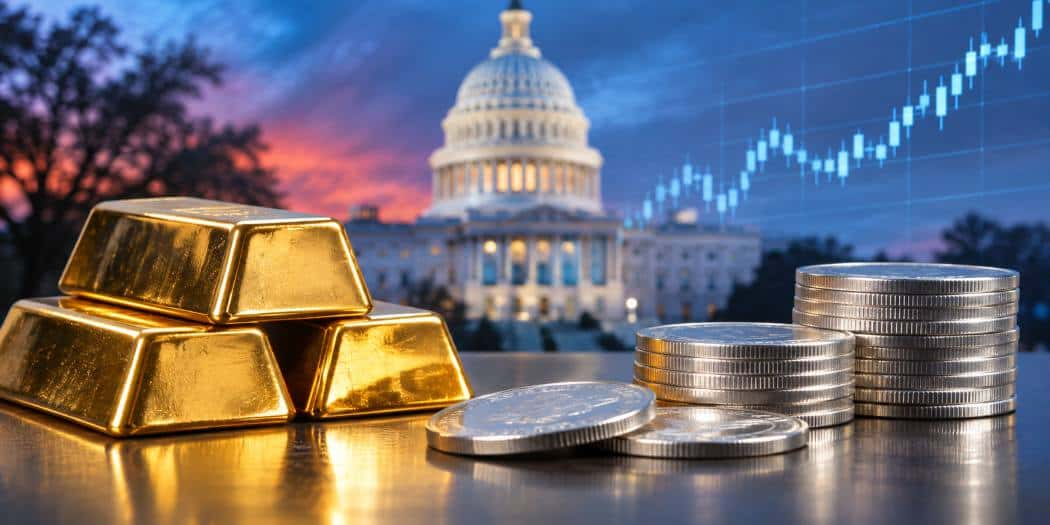
Gold and silver rallied sharply on November 4, 2026, after Democrats won control of both chambers of Congress in the U.S. midterm elections. The results altered expectations for federal spending and economic policymaking, sending the dollar lower and initially pushing Treasury yields down. Precious metals responded immediately, with gold recovering the psychologically important $4,000-per-ounce level and silver recording an even larger percentage gain.
The rally marked a notable recovery for precious metals following several weeks of price weakness and uncertainty surrounding the Federal Reserve's interest-rate outlook. Gold climbed back above $4,000 per ounce, while silver outpaced gold as investors reassessed the economic and financial implications of the election results. The broader advance reflected renewed interest in precious metals amid shifting expectations for fiscal policy, borrowing costs, and the U.S. dollar.
The immediate catalyst was not simply the election of a Democratic Congress. Investors were reassessing the economic consequences of divided government, particularly whether legislative gridlock might limit future fiscal expansion and influence borrowing costs. That distinction matters because political outcomes affect precious metals primarily through changes in financial conditions rather than through party control alone.
What Changed in Washington After the Midterms?
The November 3 elections gave Democrats control of the House of Representatives and Senate, substantially changing the legislative environment for President Donald Trump's remaining two years in office. With Congress controlled by the opposing party, major tax, spending and regulatory proposals are likely to face greater negotiation and scrutiny.
Financial markets initially interpreted the outcome as a potential restraint on fiscal expansion. If Washington approves fewer large spending initiatives or tax changes that increase deficits, investors may anticipate less pressure on Treasury borrowing and long-term interest rates. That expectation helped support government bonds and weaken the dollar following the election results.
However, divided government does not automatically produce smaller deficits or lower borrowing costs. Existing spending commitments, interest payments and economic conditions continue to shape federal finances regardless of which party controls Congress. The election establishes a different political framework, but its eventual fiscal consequences will depend on legislation, negotiations and the administration's response.
This is also why the market reaction differs from the scenarios explored in Bullion Exchanges' earlier 2026 midterm election outlook. Before the vote, investors were weighing several possible congressional outcomes. On November 4, they were responding to an actual transfer of legislative control and the immediate repricing of financial assets.
Why a Weaker Dollar and Lower Treasury Yields Supported Gold
Gold's rally was closely associated with two developments: dollar depreciation and declining Treasury yields. Both can improve the environment for bullion, although neither guarantees that prices will continue rising.
The U.S. dollar weakened to approximately a one-month low following the election. Because international gold prices are generally quoted in dollars, a weaker currency can make the metal less expensive for buyers using euros, yen and other currencies. This may encourage additional demand, particularly when currency movements coincide with broader financial uncertainty.
Treasury yields also declined during the initial market response. The benchmark 10-year yield fell approximately five basis points as government bonds strengthened. Lower yields can reduce the opportunity cost of holding gold, which does not pay interest or generate cash flow.
These mechanisms help explain why gold advanced even as investors considered the possibility of reduced federal spending. The market was not necessarily expressing a single judgment about whether the election outcome was favorable or unfavorable for the economy. Instead, traders were responding to changes in interest rates, currency valuations and expectations for future policy.
Gold's recovery above $4,000 also carried technical significance after its October decline. Crossing a widely watched price threshold can attract attention from short-term traders and investors who monitor momentum. Still, the durability of that recovery will depend on whether supportive financial conditions persist beyond the initial election reaction.
Why Silver Rose Faster Than Gold
Silver's stronger percentage gain reflected its sensitivity to the broader precious-metals recovery, but the metal's industrial characteristics make its outlook more complicated than gold's.
In early morning trading, silver was up approximately 4.8%, compared with gold's 3% advance. Silver therefore outperformed even though both metals benefited from the same dollar and interest-rate backdrop.
One explanation is silver's tendency to experience larger percentage fluctuations during periods of changing market sentiment. Its market is smaller than gold's, and investment flows can have a pronounced effect on prices. When buying interest returns to precious metals after a correction, silver can move more sharply in either direction.
Industrial demand introduces another dimension. Silver is used in electronics, electrical equipment, solar technology and other manufacturing applications. Expectations for industrial activity can therefore reinforce or offset investment-related price movements.
A weaker dollar may support silver prices, but concerns about manufacturing growth or restrictive monetary policy could eventually limit the recovery. Investors comparing gold prices and silver prices should distinguish a strong daily percentage gain from evidence of a sustained change in physical demand.
The November 4 rally demonstrates how quickly investment sentiment can improve. It does not, by itself, establish that industrial consumption has accelerated or that silver's longer-term supply-and-demand balance has changed.
Could the Federal Reserve Limit the Rally?
The Federal Reserve remains a major source of uncertainty for precious metals. At its October 28 meeting, the central bank maintained its target interest-rate range at 3.75%–4.00%, while two officials favored an increase. The decision reinforced the importance of incoming economic data, particularly employment and inflation, in determining the direction of monetary policy.
Despite Wednesday's decline in Treasury yields, markets were still assigning a substantial probability to another rate increase in December. Reuters reported that CME FedWatch pricing indicated an approximately 82% probability of a December hike during the November 4 session. That expectation creates a potential obstacle for gold and silver because higher interest rates can strengthen the dollar and increase the relative appeal of interest-bearing assets.
The next major test will be Friday's U.S. employment report. Stronger-than-expected hiring or wage growth could reinforce expectations that the Fed will maintain a restrictive policy stance. Weaker employment figures could instead reduce pressure on yields, although concerns about economic growth might produce different reactions across gold and silver.
Investors should also distinguish nominal Treasury yields from inflation-adjusted yields. Gold is particularly sensitive to changes in real interest rates, which can move differently from nominal borrowing costs when inflation expectations change.
What Comes Next for Gold and Silver?
The November 4 rally established a strong immediate response to the election results, but its continuation will depend on developments beyond Washington's new political balance.
Three indicators deserve particular attention: whether the dollar remains under pressure, whether Treasury yields continue declining, and how economic data affects expectations for the December Fed meeting. If those conditions remain supportive, gold and silver could retain some of their post-election gains. A reversal in yields or renewed dollar strength, however, could challenge the recovery.
The election's longer-term fiscal implications will also take time to emerge. Congressional control affects the prospects for legislation, but investors cannot yet determine whether future negotiations will materially reduce borrowing, change inflation expectations or alter economic growth.
A Strong Rally, but Not Yet a Lasting Trend
Gold's return above $4,000 and silver's advance beyond $52 marked an immediate repricing of precious metals after the 2026 midterm elections. The Democratic congressional victory changed fiscal-policy expectations, while falling Treasury yields and a weaker dollar provided more direct support for bullion prices.
The distinction between an election-driven market reaction and a sustained precious-metals recovery remains important. Wednesday's gains demonstrate how quickly changing financial expectations can influence gold and silver, but the Federal Reserve, employment data and subsequent policy decisions will help determine whether the rally develops into a longer-lasting trend.