View Charts
New York Gold Tax Rules for Precious Metals Buyers
 0
0
How the $1,000 Precious Metals Tax Exemption Works in New York
New York remains one of the most active precious metals markets in the United States, but many investors are still unaware of how the state’s sales tax exemption rules apply to bullion purchases. In 2026, understanding the New York gold tax structure has become increasingly important as elevated gold and silver prices continue driving larger retail transactions across coins, bars, and investment-grade bullion products.
Under current New York law, qualifying precious metals purchases exceeding $1,000 are generally exempt from state sales tax. This threshold can significantly impact total acquisition costs for investors buying physical gold, silver, platinum, or palladium. As spot prices remain historically elevated amid inflation concerns, central bank buying, and continued macroeconomic uncertainty, more investors are structuring purchases strategically to maximize tax efficiency while building physical precious metals positions.
For both new and experienced bullion buyers, understanding how the exemption works can directly affect long-term investment costs and portfolio planning.
Which Precious Metals Qualify for the New York Exemption
New York’s sales tax exemption applies primarily to investment-grade precious metals products that meet the state’s legal definition of bullion or monetized bullion. Qualifying purchases generally include:
-
Gold bullion bars
-
Silver bullion bars
-
Platinum bullion
-
Palladium bullion
-
Sovereign bullion coins
-
Certain numismatic and semi-numismatic products
Popular products frequently qualifying under the exemption include:
-
Canadian Gold Maple Leafs
-
Gold bars from recognized refiners
-
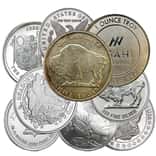
Silver rounds and bars meeting investment standards
However, not every collectible coin automatically qualifies. Certain decorative items, jewelry products, or novelty pieces may still remain taxable depending on classification and transaction structure.
The exemption applies when the total qualifying transaction value exceeds $1,000. Once that threshold is reached, the entire qualifying purchase generally becomes exempt from New York sales tax rather than only the amount above the threshold.
Rising Gold Prices Have Increased the Exemption’s Importance
The significance of the New York exemption has grown considerably as precious metals prices continue climbing in 2026. With gold prices trading near historic highs and silver remaining volatile amid industrial-demand expansion, even smaller bullion allocations can now exceed the $1,000 threshold relatively quickly.
For example:
-
A single one-ounce gold coin may qualify independently
-
Multiple silver bars combined within one transaction can exceed the threshold
-
Platinum and palladium purchases may reach exemption levels even faster because of elevated per-ounce pricing
This environment has encouraged many investors to consolidate purchases strategically rather than placing multiple smaller taxable orders. For active bullion buyers, avoiding New York sales tax can produce meaningful long-term savings, especially when accumulating precious metals consistently over time.
As inflation concerns, geopolitical uncertainty, and Federal Reserve policy expectations continue supporting physical bullion demand, tax efficiency has become an increasingly important consideration within broader portfolio-allocation strategies.
Physical Bullion and Tax Efficiency Often Go Hand in Hand
Many investors view precious metals not only as inflation hedges or safe-haven assets, but also as long-term stores of wealth capable of offering portfolio diversification during periods of economic instability. Because physical bullion purchases often involve significant capital allocations, transaction costs can materially affect overall investment performance.
Sales taxes represent one of the most immediate acquisition costs facing physical precious metals buyers. In states without bullion exemptions, investors may pay substantial additional costs upfront when purchasing gold or silver. New York’s exemption structure therefore provides a competitive advantage for qualifying investors compared to certain other high-tax jurisdictions.
This tax efficiency becomes particularly relevant during periods of heightened market volatility when investors rapidly increase allocations toward physical assets. As demand for gold bars, silver coins, and other bullion products rises during financial uncertainty, minimizing transactional friction can help improve long-term accumulation strategies.
Why States Handle Bullion Taxation Differently
Precious metals taxation varies significantly across the United States because individual states establish their own sales tax policies. Some states provide full exemptions for bullion purchases regardless of transaction size, while others impose taxes on nearly all precious metals transactions.
New York’s $1,000 threshold represents a middle-ground approach balancing revenue collection with recognition of bullion as an investment asset rather than a purely retail consumer product.
States supporting precious metals exemptions often argue that taxing bullion discourages savings, investment diversification, and hard-asset ownership. Critics of bullion taxation also note that precious metals are frequently purchased as financial instruments tied directly to global commodity markets rather than ordinary consumer goods.
As more states revisit precious metals legislation, the broader national trend has generally moved toward reducing or eliminating sales taxes on bullion products entirely.
Institutional Demand Continues Supporting Retail Precious Metals Interest
The broader bullion market environment also helps explain why retail investors increasingly care about sales-tax structures. Central banks worldwide continue accumulating gold reserves at historically elevated levels, while institutional demand for precious metals ETFs and wholesale bullion remains strong.
At the same time:
-
Persistent inflation concerns continue driving safe-haven buying
-
Geopolitical tensions support defensive asset demand
-
Sovereign debt concerns increase interest in tangible assets
-
Industrial silver demand tied to solar and AI infrastructure remains elevated
This macroeconomic backdrop has strengthened retail participation across physical bullion markets. Investors who previously purchased only small amounts of gold or silver are increasingly building larger long-term holdings, making state-level tax rules more financially significant than during lower-price environments.
The interaction between high spot prices and New York’s exemption threshold has therefore become especially relevant in 2026.
Bullion Dealers Play a Critical Role in Transaction Compliance
Reputable bullion dealers help ensure qualifying transactions are structured properly under applicable state tax laws. Because precious metals taxation can involve nuances related to product classification, transaction totals, and shipping destinations, dealer expertise becomes extremely important for both compliance and customer transparency.
Professional bullion dealers typically:
-
Apply exemptions automatically when eligible
-
Distinguish qualifying bullion from taxable items
-
Maintain updated compliance procedures
-
Provide clear transaction documentation
Investors should also recognize that tax rules may change over time depending on state legislation or administrative interpretation. Monitoring updated guidance remains important, particularly for high-volume or recurring precious metals purchases.
For many investors, working with established bullion dealers provides additional confidence that transactions are handled correctly under evolving regulatory frameworks.
New York Remains One of America’s Largest Bullion Markets
Despite its complex tax environment and higher overall cost structure, New York continues functioning as one of the largest precious metals trading centers in the United States. The state’s longstanding connection to financial markets, commodities trading, and institutional investing has helped maintain strong bullion demand across both retail and wholesale channels.
New York City also plays a major role in:
-
Global commodities finance
-
Precious metals logistics
-
Institutional asset management
-
ETF trading infrastructure
-
International bullion distribution
This concentration of financial activity contributes to strong local investor awareness surrounding gold, silver, platinum, and palladium markets. As a result, the state’s sales-tax exemption threshold remains an especially important issue for both casual bullion buyers and experienced investors building diversified hard-asset portfolios.
Understanding the Rules Can Improve Long-Term Bullion Strategy
The New York precious metals exemption demonstrates how tax policy can directly influence bullion investment behavior. As physical gold and silver ownership continues expanding amid inflation concerns, market volatility, and rising global debt levels, investors are paying closer attention to every factor affecting total acquisition costs.
Understanding how qualifying purchases exceed the $1,000 threshold can help investors structure transactions more efficiently while reducing unnecessary tax exposure. In a market increasingly shaped by elevated spot prices and growing physical demand, these considerations have become more relevant than ever.
For long-term precious metals investors, successful portfolio building involves more than simply tracking gold or silver prices. It also requires understanding the broader financial, regulatory, and transactional landscape surrounding physical bullion ownership.