View Charts
Mali's New Mining Law: A Glitter or Gloom for Gold Producers?
 0
0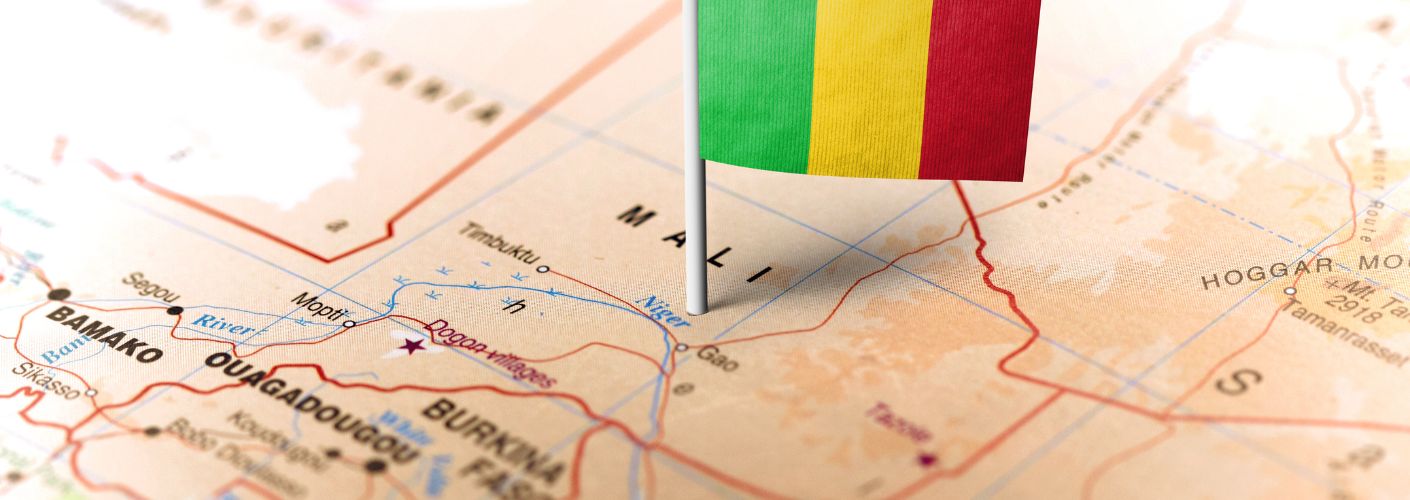
Source: Canva
In the vast landscapes of West Africa, where gold has been both a symbol of wealth and a mainstay of economies, the region's historical significance is taking a modern twist.
With its abundant gold deposits, Mali stands at a crossroads, and its decisions in the coming months could reshape its economic future.
Resource Nationalism: A Global Perspective
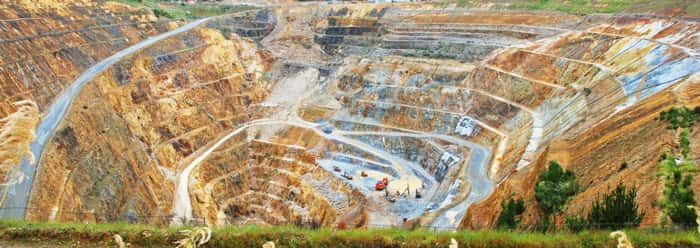
Across the globe, nations are gradually seeking greater control and ownership over their natural resources. This trend, termed 'resource nationalism', sees governments aiming to extract more value from their minerals and resources, often at the expense of foreign investors.
Source: Canva
The phenomenon is especially pronounced in regions with buoyant commodity prices, leading to legislation that allows states to have a larger piece of the pie. Mali's new mining law, which proposes a hike in state stakes from 20% to a significant 35%, is a clear echo of this global movement.
Why Gold Matters to Mali
It's crucial to understand gold's place in Mali's economy to comprehend the potential implications of such a law.
Source: International Trade Administration
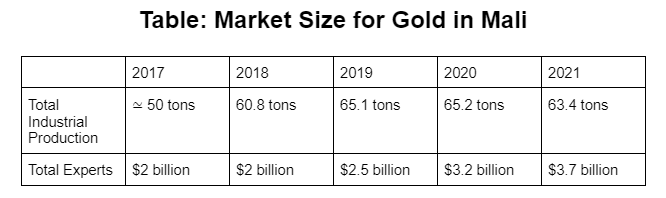
Gold mining isn't just an industry; it is integral to the country's economic framework. With it constituting 9% of the national GDP and being the source of half of state revenues, any change in the sector has ripple effects across the nation.
Furthermore, unlike some of its West African counterparts, Mali's gold mines, especially those in the southern part and around the capital Bamako, have enjoyed relative stability. Their location, distant from the volatile northern regions, has been a saving grace, allowing for consistent operations and investments.
Industry Voices and The Path Forward
Several of Mali's top gold producers have expressed concerns about the law's retroactive implications. Companies like B2Gold Corp have stated their belief that existing operations should remain untouched by the new regulations, owing to prior agreements and conventions.
However, the prospect of the new law isn't just a concern for existing operations. New entrants and potential investors are closely watching the developments.
There's a prevailing sentiment that such regulatory changes might be the tip of the iceberg, with more profound implications on the horizon, including potential renegotiations of established contracts.
The Broader Implications for Mali's Economy
While the immediate focus might be on the gold mining sector, the long-term consequences for Mali's economy cannot be overlooked. A robust and consistent investment environment is crucial for sustained economic growth.
If the new law is perceived as being hostile or unpredictable by the international investment community, Mali could face challenges in attracting foreign capital not only in mining but across other sectors as well.
Conclusion
Mali's current situation underscores the delicate balance nations must strike between asserting control over their resources and fostering an investment-friendly climate.
As the country grapples with its new mining law and its broader economic implications, the world watches closely. The outcomes of this situation will offer lessons, not just for Mali, but for other resource-rich nations aiming to navigate the complexities of resource nationalism in the modern age.
How might the increased state ownership in Mali's mining projects impact foreign investments and economic partnerships in the long run?
Could Mali's new mining law set a precedent for other countries in West Africa, potentially reshaping regional mining investments and operational dynamics?
With gold mining accounting for a significant portion of Mali's GDP, how might the implementation of the new mining law influence the global gold price and its market stability?
Today in precious metals, gold prices fell 0.41% to $1,908.95 per ounce. Silver sunk 0.01% to $22.10 per ounce. Platinum increased by 0.68% to $940.95 per ounce, while Palladium dropped by 0.81% to $1,229.53 per ounce. Bitcoin dipped 0.93% to $25,924.00.
FAQs:
-
What is 'resource nationalism'?
- 'Resource nationalism' refers to the trend where nations are seeking greater control and ownership over their natural resources. This often leads to legislation that allows states to extract more value from their minerals, which can sometimes come at the expense of foreign investors.
-
How does Mali's new mining law reflect the trend of resource nationalism?
- Mali's new mining law proposes an increase in state stakes in mining projects from 20% to 35%, aligning with the global movement towards greater national control over resources.
-
Why is gold significant to Mali's economy?
- Gold mining is integral to Mali, constituting 9% of the national GDP and being the source of half of the state's revenues. Changes in this sector can have widespread effects on the nation's economy.
-
Have there been concerns from existing gold producers regarding the new law?
- Yes, several of Mali's top gold producers, such as B2Gold Corp, have expressed concerns, especially about the law's retroactive implications. They believe that existing operations should be exempt from new regulations due to prior agreements.
-
How might the new mining law impact foreign investments in Mali?
- The law might be perceived as unpredictable or hostile by the international community, potentially making Mali less attractive for foreign capital, not only in mining but across various sectors.
-
Could this law set a precedent for other West African nations?
- Yes, the new mining law in Mali might influence other countries in the region, potentially reshaping regional mining investments and the dynamics of operations.
-
How might the new mining law affect global gold prices?
- Given that gold mining is a significant contributor to Mali's GDP, any major changes in the sector could influence global gold price and market stability.