View Charts
Lost Penny Day: History, Value & End of the U.S. Cent
 0
0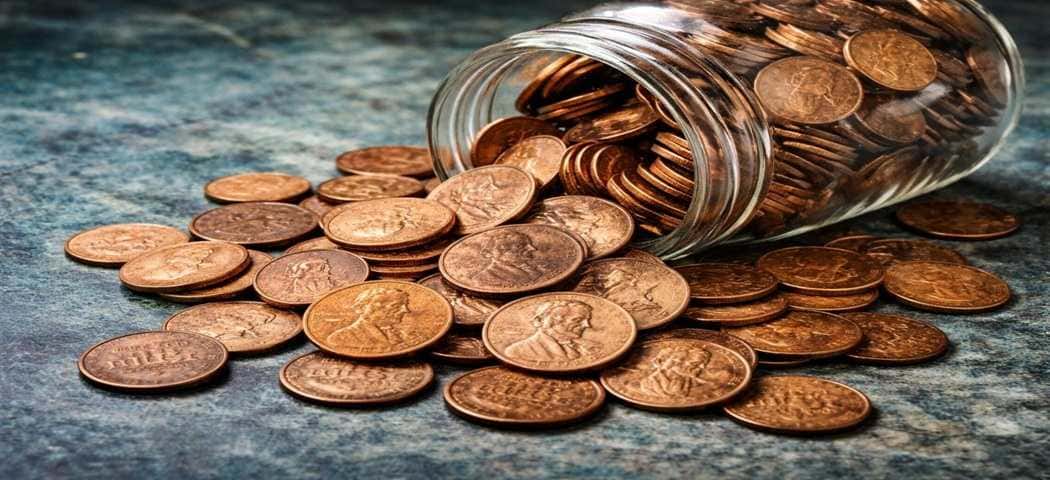
Why February 12 Still Matters to Collectors and Investors
Each year on February 12, Americans observe Lost Penny Day, a lighthearted celebration that encourages people to search for forgotten pennies in jars, couch cushions, and old coat pockets. The date was chosen to coincide with Abraham Lincoln’s birthday, since Lincoln has been featured on the U.S. one-cent coin since its debut in 1909. Though Lost Penny Day is an informal observance created by coin collectors and enthusiast communities, it offers a meaningful moment to reflect on currency, purchasing power, and the evolving role of money.
With the United States Mint ceasing production of the circulating one-cent coin on November 12, 2025, Lost Penny Day has taken on added significance as the penny transitions from everyday currency into a historical artifact.
Lost Penny Day: A Community-Driven Tradition
Lost Penny Day does not have a formal legislative origin or a U.S. Mint proclamation. Instead, it grew organically through the hobbyist coin-collecting community and online forums, where collectors share images of interesting finds and discuss penny varieties. Over time, the date aligned with Lincoln’s birthday, making it both a cultural and numismatic observance.
For collectors, the day serves as a reminder that even common denominations can hold historical value — and sometimes real monetary worth — especially when rare dates or errors are involved.
The Penny’s Place in U.S. Monetary History
The Lincoln cent was introduced in 1909 to honor Abraham Lincoln’s 100th birthday and became the first U.S. circulating coin to feature a real person. Early coins were struck in 95% copper, but rising metal costs and changing economic conditions eventually led to altered compositions.
In 1943, as copper was diverted for World War II efforts, the U.S. Mint produced pennies from zinc-coated steel, creating a distinctive year in numismatic history. These steel cents are magnetic and visually different from traditional copper issues, and rare copper mistake strikes from 1943 remain among the most valuable modern U.S. coins.
The penny continued to evolve through wheat, memorial, and shield reverse designs until production of circulating one-cent coins formally ended in 2025, reflecting rising production costs and declining purchasing power.
From Everyday Money to Collector’s Items
Though no longer minted for everyday transactions, pennies will remain significant to collectors and investors. Certain issues — especially early dates, low-mintage coins, and error varieties — retain strong secondary market value far above face value.
For example:
-
1909-S VDB Lincoln Cent – A key date with strong demand
-
1914-D Lincoln Cent – Scarce Denver issue
-
1943 Steel Cent – Iconic wartime composition
-
Error cents and condition rarities – High collector interest
As the penny ceases circulation, the distinction between general pocket change and collectible coinage will deepen, increasing interest in U.S. cent varieties.
Lost Penny Day and Purchasing Power
Lost Penny Day also invites reflection on the changing value of money. The penny’s purchasing power has eroded over decades due to inflation — a concept that resonates with precious metals investors. Unlike fiat denominations such as cents and dollars, gold and silver act as hedges against inflation and currency debasement.
Movements in the gold spot price and the spot price of silver often reflect macroeconomic forces like inflation expectations, real interest rates, and geopolitical risk. While a penny’s face value remains one cent, precious metals derive value from scarcity, industrial demand (in silver’s case), and historical use as stores of value.
This contrast highlights a fundamental economic truth: physical assets with intrinsic metal value tend to preserve purchasing power over time, whereas low-denomination currency loses it.
Lessons for Precious Metals Investors
Lost Penny Day may be playful in spirit, but it carries meaningful implications for investors:
-
Small units still matter — even minor denominations can hold value beyond face value.
-
Composition matters — a penny’s metal makeup influenced its history, just as metal fundamentals shape precious metals pricing.
-
Long-term value preservation matters — gold and silver protect purchasing power in ways cents cannot.
-
Historical change informs strategy — the end of penny production marks a shift in U.S. monetary artifacts.
For investors tracking gold and silver, understanding how fiat currency behaves — including its lowest denominations — can offer perspective on broader financial trends and the role of precious metals as wealth preservation tools.
Lost Penny Day in a Changing Financial Landscape
As the circulating penny fades from everyday use, Lost Penny Day serves both as a nostalgic celebration and a lens for thinking about the evolution of money. While pennies may no longer be minted for payments, they remain artifacts of economic history and touchstones for discussions about value, inflation, and the role of tangible assets.
Whether you’re a coin collector hunting for rare cents or a precious metals investor focused on precious metals spot prices, Lost Penny Day is a reminder that even the smallest piece of money has a story to tell.
Sometimes the smallest denomination offers the biggest perspective.
Related reading you may find interesting:
From Wheat Pennies to Abolition: The Rise and Fall of the One-Cent Coin