View Charts
From Copper to Collectible: The Lasting Appeal of Lincoln Wheat Cents
 0
0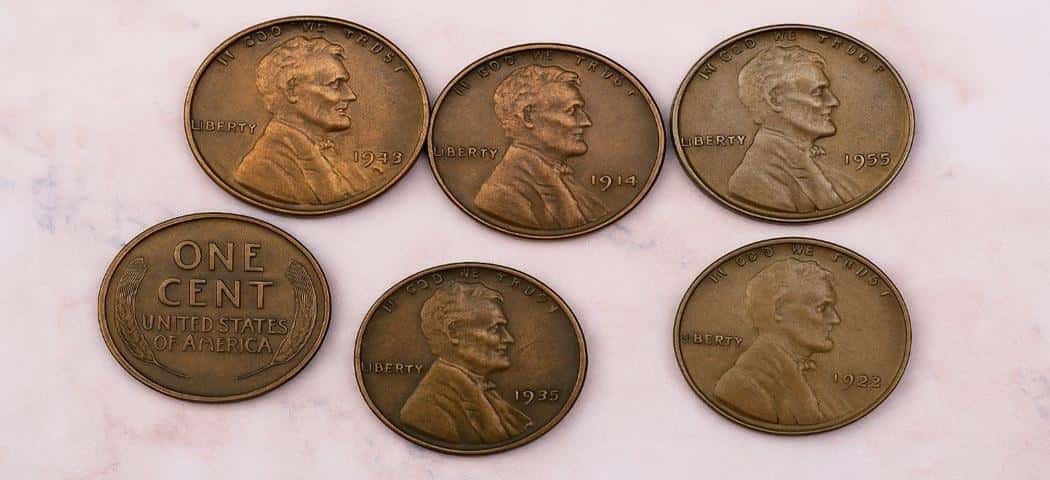
A Small Coin with a Big Legacy
From 1909 through 1958, the humble Lincoln Wheat Cent circulated widely across the United States - quietly becoming one of the most iconic and nostalgic coins in American history. What began as a tribute to the 16th president evolved into a cornerstone of coin collecting, offering both affordability and depth for numismatists of all levels.
Whether pulled from circulation or passed down through generations, these bronze one-cent pieces have endured well beyond their original purpose, sparking interest not only for their historical designs but also for the occasional six-figure rarity.
A Presidential First in Pocket Change
The Lincoln Wheat Cent was revolutionary for its time. Before 1909, U.S. coins rarely featured real historical figures. That changed when President Theodore Roosevelt led a campaign to enhance the beauty and symbolism of American coinage.
For the new cent, he chose Victor David Brenner, a skilled engraver of Lithuanian-Jewish descent, to honor Abraham Lincoln on the coin’s obverse. The result was a simple yet powerful portrait, paired with two wheat stalks on the reverse - earning the coin its popular nickname: the Wheat Penny.
The cent’s release coincided with Lincoln’s 100th birthday and immediately captured the public’s attention. It also set a lasting precedent: every U.S. cent since has featured Lincoln’s image.
What’s in a Mintmark? Quite a Lot, Actually
Lincoln Wheat Cents were struck at three U.S. Mint locations:
-
Philadelphia (no mintmark)
-
Denver (“D”)
-
San Francisco (“S”)
Although billions were produced, the mint location and year of issue can make a world of difference in value. For example, the 1909-S VDB and 1914-D are prized for their low mintages and collector demand. In contrast, more common-date Wheat Cents remain easily obtainable, especially in circulated grades.
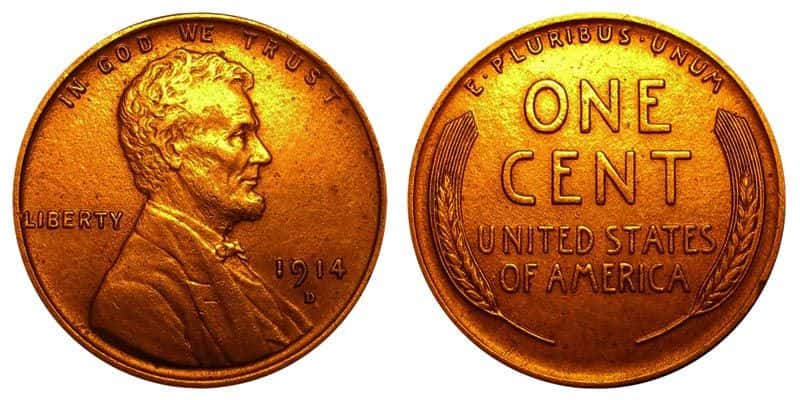
1914-D Lincoln Wheat Penny image
Tip: Look just below the date on the obverse. That tiny letter (or its absence)
could mean a difference of hundreds - or even thousands - of dollars.
What Drives Collector Interest?
Over the decades, Lincoln Wheat Cents have retained an unusually strong hold on the hearts of collectors. But in 2025, the series has experienced a surge in interest - and here’s why:
-
Ease of access – These coins are still affordable and widely available.
-
Rich variety – The series includes 50 years of mintmarks, errors, and design tweaks.
-
Nostalgia factor – Many collectors were first introduced to numismatics by sifting through jars of Wheat Pennies from parents or grandparents.
-
Proven value growth – Key date Wheat Cents, particularly in high grades, have performed well in auctions and investment portfolios.
Why Now? The 2025 Penny Discontinuation Sparks a Revival
In a historic move, the U.S. Mint announced in 2025 that production of the penny will end, citing rising manufacturing costs and changing consumer habits. This landmark decision has reignited national interest in cent collecting, sparking a wave of nostalgia and urgency to preserve pieces of American monetary history.
Wheat Cents, already beloved for their design and symbolism, are now seen as the definitive penny to collect. Searches for “rare pennies” have spiked, and collector communities are buzzing with renewed excitement. From seasoned investors to first-time buyers, everyone wants a piece of the legacy before the era of the penny is officially closed.
Tips for Starting Your Own Collection
Interested in beginning your own Lincoln Wheat Cent collection? Here’s how to get started:
-
Start small: Build a basic set with one coin from each year and mintmark (1909–1958).
-
Hunt for errors: Doubled dies, off-center strikes, and other mint mistakes are highly collectible.
-
Use proper protection: Store coins in flips, coin albums, or capsules to maintain condition.
-
Know when to grade: If you suspect you’ve found a valuable coin, consider certification from PCGS or NGC.
Key Dates Worth Watching
While most Wheat Cents are worth only a few cents in circulated condition, these standout rarities can command much higher premiums:
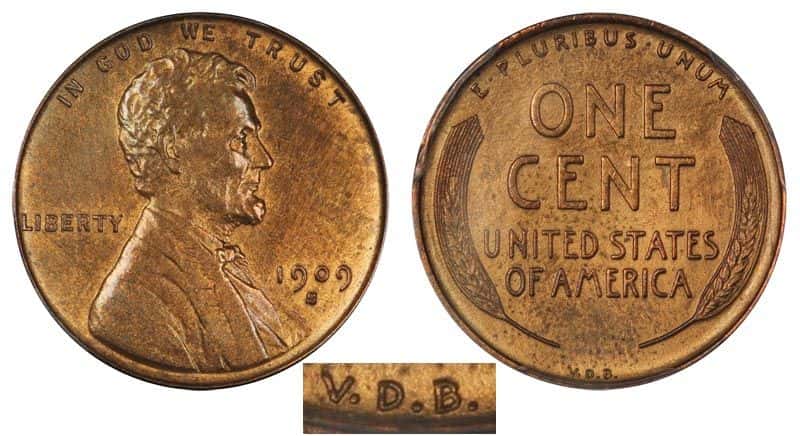
1909-S VDB Lincoln Wheat Penny
-
1909-S VDB – First-year coin with designer’s initials; just 484,000 minted
-
1914-D – Scarce Denver issue, often missing from lower-grade collections
-
1922 No D – Denver struck only; a few were mistakenly minted without a “D”
-
1931-S – Depression-era low mintage of under 900,000
-
1943 Bronze Cent – Struck in copper instead of wartime steel; ultra-rare
-
1955 Doubled Die Obverse – A dramatic and highly recognizable mint error
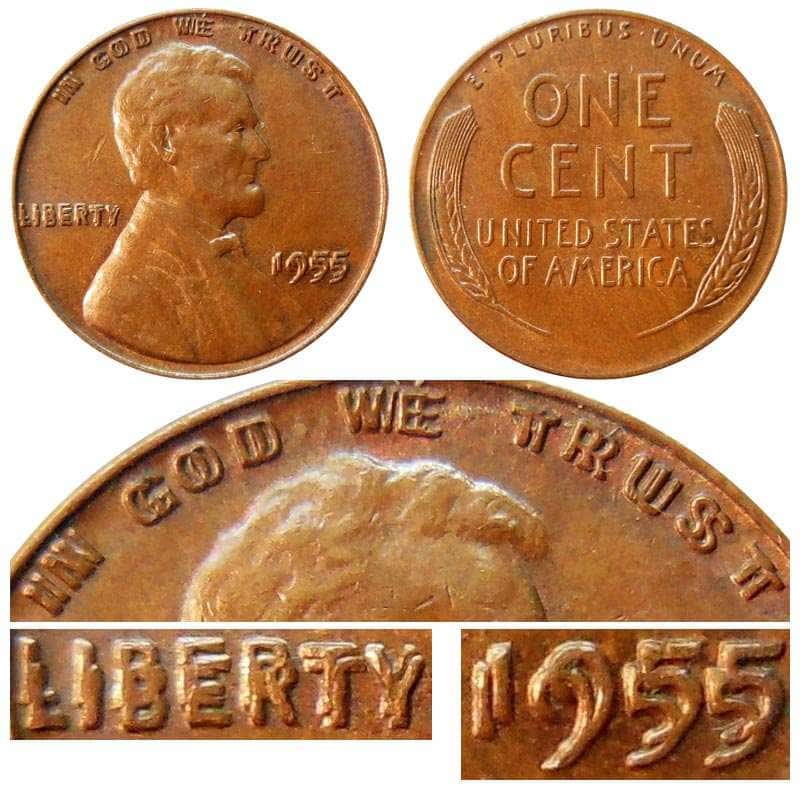
1955 Doubled Die Obverse Lincoln Wheat Penny
Why the Lincoln Wheat Cent Still Matters
In an increasingly digital financial world, the Lincoln Wheat Cent remains a tangible link to America’s past. Its blend of historical depth, design integrity, and affordable entry point continues to inspire generations of collectors.
From family coin jars to high-profile auctions, this small coin has left a massive legacy - and with the penny’s production coming to a close, its story is more relevant than ever.
Images sourced from: usacoinbook.com