View Charts
Is Copper a Good Investment? Price Trends and Future Potential
 0
0
Why Copper Is Gaining Attention as a Key Investment Metal
Copper is often overlooked in favor of gold and silver, yet it remains one of the most essential and widely used metals in the world. Now gaining renewed attention as both an industrial powerhouse and an emerging investment opportunity, copper is being driven by rising global demand and evolving economic conditions. As investors track movements in the gold spot price and silver spot price for traditional safe-haven signals, copper is increasingly being evaluated for its growth-driven potential tied to infrastructure, electrification, and renewable energy. This raises an important question: does copper belong in a modern portfolio as more than just a cyclical commodity?
With strong demand fundamentals, tightening supply outlooks, and increasing relevance in the global energy transition, copper is no longer just a background metal—it is becoming a strategic asset worth serious consideration.
What Is Copper? A Foundation of Civilization
Copper is one of the oldest metals used by humanity, dating back over 10,000 years. Its malleability, conductivity, and resistance to corrosion made it indispensable in early tools, currency, and construction. From ancient Egypt to the Roman Empire, copper helped shape civilizations—so much so that historians often refer to entire eras, like the Bronze Age, as being defined by copper alloys.
Anecdotally, copper has long been associated with progress. Early electrical systems, telegraph lines, and even the first modern cities relied heavily on copper wiring. Today, it continues to play a central role in modern infrastructure, from power grids to telecommunications.
Copper’s Role in the Modern Economy
In today’s world, copper is essential to nearly every major industry. Its unmatched electrical conductivity makes it critical for:
-
Power generation and distribution
-
Electric vehicles (EVs) and battery systems
-
Renewable energy infrastructure such as solar and wind
-
Construction and plumbing
-
Consumer electronics
As economies transition toward electrification and sustainability, copper demand is expected to rise significantly. Unlike precious metals, which are often held for value, copper is consumed at scale—making it highly sensitive to economic growth and industrial expansion.
Copper vs Gold and Silver: Key Differences
While gold and silver are often viewed as stores of value, copper occupies a different niche. Investors track the current gold value per ounce and silver prices for wealth preservation, but copper behaves more like a growth-driven commodity.
Key Comparisons:
-
Gold: Safe-haven asset, driven by inflation and geopolitical risk
-
Silver: Hybrid metal, influenced by both investment and industrial demand
-
Copper: Purely industrial, driven by global growth and infrastructure
This distinction makes copper a complementary asset rather than a direct competitor. It performs best during periods of economic expansion, whereas gold often thrives during uncertainty.
Copper Price History and Market Trends
Copper prices have historically moved in tandem with global economic cycles, rising during periods of industrial expansion and declining when growth slows. Today, copper is trading near historically elevated levels, with the current copper spot price around $5.85–$6.02 per pound as of April 2026, reflecting both strong long-term demand and short-term market volatility.
Earlier this year, copper reached an all-time high near $6.58 per pound, driven by aggressive infrastructure spending, electrification demand, and supply concerns. At the same time, prices briefly pulled back toward the mid-$5 range amid rising inventories and mixed economic signals, particularly from China, the world’s largest copper consumer.
Looking further back, copper traded in a much lower range of approximately $3.50 to $5.00 per pound between 2012 and 2020, before entering a structurally higher pricing environment following the global push toward renewable energy and electrification. This shift reflects a fundamental change in how copper is valued—not just as an industrial input, but as a strategic resource tied to future economic growth.
In recent months, copper has remained volatile, fluctuating within the $5.40 to $6.00+ range, with prices up more than 25% year-over-year, underscoring strong underlying demand despite macroeconomic headwinds. Investors increasingly monitor copper as a leading economic indicator—earning it the nickname “Dr. Copper”—because its price trends often signal shifts in global manufacturing, infrastructure investment, and overall economic health.
Copper Price Outlook 2026: Supply, Demand, and Market Direction
Looking ahead to 2026, copper’s outlook remains strongly supported by a combination of structural demand growth and tightening supply conditions. Analysts widely expect continued upward pressure on prices as global electrification accelerates, particularly through electric vehicles, renewable energy systems, and large-scale infrastructure projects. These sectors require significantly higher copper usage, reinforcing long-term demand regardless of short-term economic fluctuations.
On the supply side, mining constraints, declining ore grades, and limited new project development are creating a more restricted production environment. This imbalance between rising demand and constrained supply has led many market participants to project copper trading within an elevated range, with prices potentially stabilizing between $5.50 and $7.00 per pound under current macro conditions.
However, copper remains sensitive to global economic cycles. A slowdown in manufacturing or reduced infrastructure spending—particularly in major economies like China—could introduce short-term volatility. Despite this, the broader trend suggests that copper is transitioning from a cyclical industrial metal into a strategic resource, increasingly tied to long-term global growth and energy transformation.
Copper as an Investment Metal
Although copper is not traditionally viewed as a primary investment metal like gold or silver, it offers several unique advantages:
-
Affordability: Lower price point compared to precious metals
-
Tangible asset: Physical ownership through bars and rounds
-
Industrial demand: Strong underlying use case
-
Diversification: Adds exposure to global growth trends
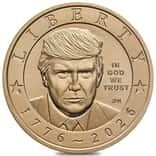
Physical copper products, including bars and rounds, have gained popularity among new investors looking to enter the bullion market without the higher costs associated with gold. While premiums can be higher relative to spot value due to production costs, copper still provides an accessible entry point into tangible asset ownership.
Bars and Rounds: How to Invest in Physical Copper
Copper bullion is commonly available in:
-
Larger bulk bars for stacking
These products often feature artistic or historical designs, making them appealing to both collectors and investors. While they may not offer the same liquidity as gold or silver, they provide a tangible way to accumulate a widely used industrial metal.
The Future of Copper: Demand, Scarcity, and Opportunity
Looking ahead, copper’s role in the global economy is expected to expand significantly. Several major trends are driving this outlook:
-
Electrification: Electric vehicles require significantly more copper than traditional vehicles
-
Renewable energy: Solar and wind installations depend heavily on copper wiring
-
Urbanization: Growing populations increase infrastructure demand
-
Supply constraints: Mining challenges may limit future production
These factors create a compelling case for copper as a long-term strategic asset. As demand rises and supply tightens, prices could see sustained upward pressure, particularly if global investment in infrastructure and energy continues to accelerate.
Is Copper Worth Adding to Your Portfolio?
Copper may not carry the same prestige as gold or silver, but its importance in the modern world is undeniable. As both a historical cornerstone of civilization and a critical component of future technologies, copper offers a unique blend of industrial relevance and investment potential.
For those looking to diversify beyond traditional precious metals, copper provides an accessible and forward-looking opportunity—one that is deeply tied to the growth and evolution of the global economy.
Related reading you may find interesting:
AVDP vs Troy Ounce: Key Differences Explained
Silver vs Copper: Which Metal Has More Upside in 2026?