View Charts
India Tariff Hike on Gold and Silver: Global Market Impact
 0
0
How India’s May 13, 2026 Duty Increase Could Reshape Bullion Demand
India’s decision to raise import duties on gold and silver on May 13, 2026 created an immediate demand-side shock for the precious metals market. The government increased import tariffs on both metals from 6% to 15%, a major policy reversal after the prior lower-duty environment had helped stimulate official bullion imports. For investors watching the gold spot price, silver spot price, bullion premiums, and global precious metals demand, this matters because India is one of the world’s most influential physical metals markets.
The move was designed to curb imports, support the rupee, and ease pressure on foreign exchange reserves. But the effects will not stop at India’s borders. Higher import costs can reduce official demand, change local premiums, redirect global bullion flows, and influence how U.S. buyers experience spot price volatility and retail product availability. Gold and silver remain global markets, and when a major consumer country changes the rules, traders everywhere pay attention.
India’s Import Duty Shift Marks a Demand-Side Shock
The new 15% duty raises the cost of importing gold and silver into India at a time when consumers are already facing historically high precious metals prices. For Indian buyers, this means jewelry, bullion bars, silver coins, and investment-grade products can become more expensive relative to international spot prices. That may cause households and jewelers to delay purchases, reduce order sizes, or lean more heavily on recycled metal.
This is especially important because India relies heavily on imported bullion. When import costs rise sharply, the official supply chain usually feels the effect first. Dealers may become more cautious with inventory, consumers may wait for price dips, and domestic premiums may shift as the market adjusts to the new tax structure.
For global investors, the policy creates a clearer question: if Indian buying slows, can other sources of demand absorb the difference?
Gold Prices Face a New Physical-Demand Test
Gold is most directly exposed to India’s import policy because the country has a deep cultural and investment relationship with the metal. Gold is purchased for weddings, festivals, savings, family wealth, and long-term financial security. That demand does not disappear overnight, but it can become more price-sensitive when tariffs rise.
A higher import duty may pressure official gold imports by making local prices less attractive. Some buyers may turn to recycled gold, while others may postpone purchases until domestic premiums ease. Jewelers may also reduce restocking if they expect consumer traffic to slow.
Globally, weaker Indian physical demand could act as a headwind during periods when gold is already under pressure from a stronger U.S. dollar or higher Treasury yields. However, gold’s broader support base remains complex. Safe-haven demand, central bank buying, inflation concerns, and geopolitical uncertainty can still support prices even if one consumer market softens. The tariff hike is therefore a meaningful bearish factor for physical demand, but not a complete reversal of gold’s long-term investment case.
Silver Could Feel the Impact More Sharply
Silver may react more dramatically than gold because its market is smaller, more volatile, and more sensitive to shifts in physical buying. India is a major silver consumer, with demand tied to jewelry, bars, coins, utensils, and industrial use. When local import costs jump, the price shock can quickly influence buying behavior.
The tariff hike comes at a time when silver is already balancing two competing forces. On one side, long-term industrial demand remains strong because silver is essential to solar energy, electronics, electrification, and advanced manufacturing. On the other side, silver often sells off faster than gold when traders reduce risk, the dollar strengthens, or demand concerns rise.
That dual identity makes the India tariff hike especially important. If Indian physical demand cools, silver may lose one source of support just as macro pressure and profit-taking weigh on the market. Still, the long-term industrial story remains intact. The policy affects near-term demand and trade flows more than silver’s structural role in the clean-energy and technology economy.
Global Bullion Flows May Shift Around India
When a major buyer raises import duties, gold and silver do not stop moving. They move differently. If Indian imports slow, refiners, wholesalers, and international suppliers may redirect metal toward other regions where premiums are more attractive or demand remains resilient.
That shift can affect markets in the Middle East, Southeast Asia, Europe, and North America. In some cases, reduced Indian buying may free up supply elsewhere, easing premiums for certain products. In other cases, domestic Indian premiums may rise enough to keep metal flowing into the country despite the higher duty.
The policy could also increase the importance of recycled supply inside India. When imported bullion becomes more expensive, local scrap gold and silver can become more appealing to dealers and refiners. That may create a more active domestic recycling market, especially if households choose to sell into higher local prices.
U.S. Precious Metals Buyers Could See Indirect Effects
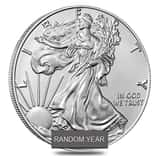
U.S. bullion buyers do not directly pay India’s gold or silver import tariff. A customer buying American Silver Eagles, Gold Eagles, silver bars, gold bars, rounds, or other bullion products in the United States is not being charged India’s import duty. The impact is indirect, but still relevant.
If India’s higher tariff reduces physical demand, global spot prices may face pressure, especially during periods of rising yields or a stronger dollar. That could create better entry points for U.S. investors if gold or silver prices soften. However, retail premiums do not always move in perfect alignment with spot prices. U.S. premiums are also shaped by domestic demand, mint output, wholesale inventory, product type, and dealer supply.
For Bullion Exchanges customers, the key is to watch both spot price and product premium. A tariff-driven shift in global demand can influence the broader market, but the price of a specific bullion product also depends on availability and buyer demand in the U.S. retail market.
India’s Rupee, Oil Costs, and Trade Deficit Explain the Policy
India’s tariff hike is not only a bullion story. It is also a currency and trade-balance story. Gold and silver imports require foreign currency, and heavy buying can add pressure to foreign exchange reserves. When the rupee is under pressure and oil import costs are elevated, policymakers may become more aggressive about limiting non-essential imports.
Precious metals occupy a complicated role in India’s economy. For households, gold and silver are trusted stores of value. For the government, large bullion imports can widen the trade deficit and increase demand for dollars. Raising duties is one way to slow that pressure without banning purchases outright.
This explains why the May 13 decision matters globally. It shows how precious metals can sit at the center of personal finance, cultural tradition, currency management, and international trade policy all at once.
What Investors Should Monitor Next
The first signal to watch is India’s official gold and silver import volume. If imports fall sharply after the tariff increase, the policy will likely be viewed as effective from a government perspective but negative for near-term physical demand. If imports remain strong, it may suggest that Indian buyers are absorbing the higher cost or that underlying demand is more resilient than expected.
Local Indian premiums are also important. Rising premiums can indicate tight supply inside India, even if international spot prices are soft. Investors should also watch the rupee, crude oil prices, and seasonal buying periods tied to weddings and festivals.
For U.S. buyers, the practical takeaway is simple: monitor global spot prices, but do not ignore premiums. India’s policy can affect market sentiment and wholesale flows, while U.S. retail pricing will still depend on product-specific supply and demand.
A Policy Shift With Global Bullion Consequences
India’s May 13, 2026 tariff hike is a reminder that precious metals do not trade on spot charts alone. Government policy, consumer demand, currency pressure, and trade flows all shape the market behind the price.
For gold, the higher duty may cool one of the world’s most important physical demand centers, particularly if local premiums rise and buyers delay purchases. For silver, the impact could be sharper because the market is smaller and more volatile. For U.S. investors, the effect is indirect but worth watching: weaker Indian demand may influence spot prices, while global supply shifts can affect premiums and product availability. The tariff hike is not the only driver of precious metals prices, but it is one of the most important demand-side developments for bullion markets in 2026.