View Charts
How to Spot Fake Gold Coins: A Guide for Investors
 0
0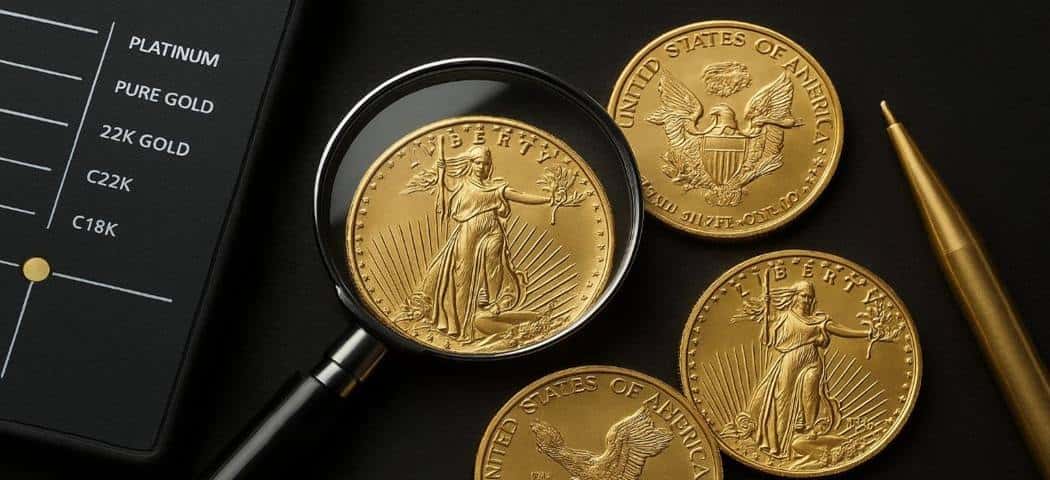
Why Gold Coin Authentication Matters
In today's market, where gold prices are at record highs, counterfeit gold coins have become increasingly prevalent. For investors and collectors, distinguishing genuine coins from fakes is crucial to protect their investments. This comprehensive guide outlines effective methods to identify counterfeit gold coins and offers best practices to ensure authenticity.
Common Types of Counterfeit Gold Coins
Counterfeiters employ various techniques to mimic genuine gold coins. Understanding these methods can aid in detection:
-
Gold-Plated Coins: Base metals coated with a thin layer of gold to imitate genuine coins.
-
Cast Counterfeits: Coins produced by pouring molten metal into molds, often resulting in less precise details.
-
Altered Coins: Genuine coins modified to resemble rarer or more valuable versions.
-
High-Quality Forgeries: Sophisticated counterfeits made with advanced technology, closely resembling authentic coins.
Key Indicators of Counterfeit Coins
When examining a gold coin, look for the following signs that may indicate a counterfeit:
-
Inaccurate Weight and Dimensions: Authentic coins have specific weight and size standards. Deviations can signal a fake.
-
Magnetic Properties: Gold is non-magnetic. If a coin is attracted to a magnet, it's likely not pure gold.
-
Surface Imperfections: Blurry details, uneven edges, or unusual coloration may suggest a counterfeit.
-
Incorrect Markings: Authentic coins have precise inscriptions and mint marks. Inconsistencies can be a red flag.
At-Home Testing Methods
Several simple tests can help verify a coin's authenticity:
-
Visual Inspection: Compare the coin to a known genuine example, checking for design accuracy and quality.
-
Weight and Size Measurement: Use a precise scale and calipers to ensure the coin matches standard specifications.
-
Magnet Test: Place a strong magnet near the coin. Attraction indicates the presence of non-gold metals.
-
Ping Test: Gently tap the coin and listen for a high-pitched ringing sound characteristic of gold.
-
Water Displacement Test: Submerge the coin in water to measure its volume displacement, helping to calculate density.
-
Acid Test: Apply a small drop of nitric acid to the coin's surface. A reaction suggests the coin is not pure gold.
Advanced Authentication Tools
For more accurate results, consider using specialized equipment:
-
Digital Scales and Calipers: Ensure precise measurements of weight and dimensions.
-
Electronic Gold Testers: Devices that assess the metal's electrical conductivity to determine purity.
-
X-Ray Fluorescence (XRF) Analyzers: Non-destructive tools that analyze the coin's elemental composition.
-
Specific Gravity Test Kits: Measure the coin's density to confirm authenticity.
Best Practices to Avoid Counterfeit Coins
To minimize the risk of purchasing fake gold coins:
-
Buy from Reputable Dealers: Choose established sellers with positive reviews and verifiable credentials.
-
Request Documentation: Obtain certificates of authenticity and detailed receipts for all purchases.
-
Educate Yourself: Familiarize yourself with the specific characteristics of the coins you intend to buy.
-
Avoid Deals That Seem Too Good to Be True: Unusually low prices can be a warning sign of counterfeit products.
What to Do If You Suspect a Counterfeit
If you believe you've acquired a fake gold coin:
-
Seek Professional Evaluation: Consult a certified appraiser or numismatist for an expert opinion.
-
Report the Seller: Notify relevant authorities or consumer protection agencies about the fraudulent transaction.
-
Avoid Reselling: Do not attempt to sell the suspected counterfeit, as this may be illegal.
Invest Wisely and Protect Your Portfolio
Protecting your investment in gold coins requires vigilance and knowledge. By understanding common counterfeiting methods, recognizing warning signs, and utilizing both simple and advanced testing techniques, you can confidently navigate the gold market. Always prioritize purchasing from trustworthy sources and seek professional advice when in doubt to ensure the authenticity of your gold coins.
Another article that may interest you:
Is Now the Right Time to Buy Gold?