View Charts
How the New US–EU Tariff Deal Impacts Gold and Silver Prices
 0
0
US–EU Trade Accord Sends Ripples Through Bullion Markets
On July 27, 2025, the United States and European Union finalized a pivotal tariff agreement that is already reshaping market dynamics across commodities - including the precious metals sector. While headlines largely focused on aircraft, semiconductors, and pharmaceuticals, the broader implications of this trade accord are quietly moving the gold and silver markets. Investors, traders, and collectors alike are now asking: How will this deal influence bullion prices, demand, and premiums?
The answer lies in how trade policy ripples through industrial supply chains, safe-haven investor behavior, and pricing structures - especially at a time when inflation concerns and global realignments remain top of mind.
Tariffs, Trade, and Bullion: What’s in the Deal?
The July 27 US–EU tariff agreement introduced a moderated 15% tariff on select EU imports, replacing previously threatened rates that ranged from 25–30%. Crucially, the deal excluded industrial components like medical-grade steel, electronics, and renewable energy infrastructure, allowing vital sectors to continue uninterrupted. The EU, in turn, agreed to increased direct investment in U.S. manufacturing and mutual tariff reductions in clean energy and defense-related technologies.
While gold and silver were not directly named in the tariff lists, the indirect effects are already evident. A trade détente between two of the world’s largest economic blocs typically reduces safe-haven flows into precious metals. However, the agreement also supports industrial demand - particularly for silver and platinum group metals.
Why Gold May See Short-Term Pressure, But Long-Term Support
Gold’s traditional role as a safe-haven asset comes into sharper focus during times of trade tension. The announcement of the new deal immediately reduced some of the fear premium that had lifted gold prices earlier this month. As equity markets rallied and the dollar stabilized, gold briefly pulled back from its $3,400 highs, now sitting around $3,325/oz.
However, this doesn’t mean gold’s rally is over. Several factors still support long-term price resilience:
-
Real interest rates remain low, and any dovish shift from the Federal Reserve later this week could re-ignite bullish momentum.
-
The tariff agreement may increase inflationary pressure in downstream sectors - particularly manufacturing and logistics. Gold thrives in inflationary environments.
-
Global central bank demand for gold continues at a historic pace, particularly among emerging markets seeking independence from the U.S. dollar system.
Silver Stands to Benefit from Industrial Revival
Silver’s dual identity as both a monetary metal and an industrial workhorse puts it in a unique position. With tariffs easing and supply chains loosening, manufacturers may ramp up production - especially in high-demand sectors like solar energy, electronics, and electric vehicles, all of which are major silver consumers.
The U.S.–EU deal includes coordinated investment in clean energy technologies, which will likely boost silver-intensive projects. As of July 28, silver holds steady around $38.35/oz, near 14-year highs, and analysts project a potential climb toward the $42-45 range if industrial demand accelerates into Q3.
Tariffs and Bullion Premiums: What Buyers Need to Know
Beyond spot prices, the tariff deal can also impact what everyday investors pay in the form of premiums. Premiums represent the markup above the spot price, accounting for fabrication, logistics, dealer margin, and market sentiment.
Here’s how the tariff framework could influence premiums:
-
Lower trade friction means smoother import/export flows, which could reduce delays and logistical costs - possibly compressing premiums on EU-minted bullion.
-
However, increased industrial demand could tighten supply, particularly for silver rounds and bars, keeping premiums elevated in the near term.
-
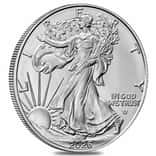
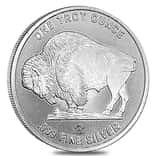
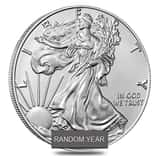
Domestic U.S.-minted products like the American Silver Eagle or Gold Buffalo may gain popularity as geopolitical confidence strengthens, pushing premiums slightly higher due to demand.
Bullion Exchanges continues to monitor these movements closely and offers investors real-time pricing tools and competitive premiums across a broad selection of domestic and imported coins and bars.
Investor Sentiment Rotation: Risk-On or Risk-Off?
Market behavior is ultimately dictated by investor psychology. The U.S.–EU deal encouraged a modest shift toward risk-on assets, as equities bounced and volatility measures declined. This often leads to a short-term dip in gold and silver demand.
However, seasoned investors recognize that geopolitical deals are rarely final or permanent. The memory of supply shocks, banking volatility, and inflationary surges still lingers. Many are continuing to accumulate bullion as part of a diversified hedge strategy, especially with global elections, U.S. monetary policy uncertainty, and potential China–U.S. friction ahead.
Final Thoughts: Positioning Ahead of the Fed
As investors digest the full implications of the U.S.–EU tariff pact, attention now turns to the Federal Reserve meeting on July 29–30. Any signal of rate cuts or dovish guidance could reignite gold’s upside momentum, especially if inflation expectations remain sticky. Meanwhile, silver’s industrial support continues to strengthen, suggesting a favorable outlook regardless of monetary shifts.
Whether you're a long-term stacker or a market-savvy trader, understanding how trade policy reshapes bullion fundamentals is crucial. The U.S.–EU tariff deal may have cooled headline risk - but beneath the surface, it's heating up opportunities in both gold and silver.