View Charts
How Global Economic Tensions are Influencing Precious Metal Investments
 0
0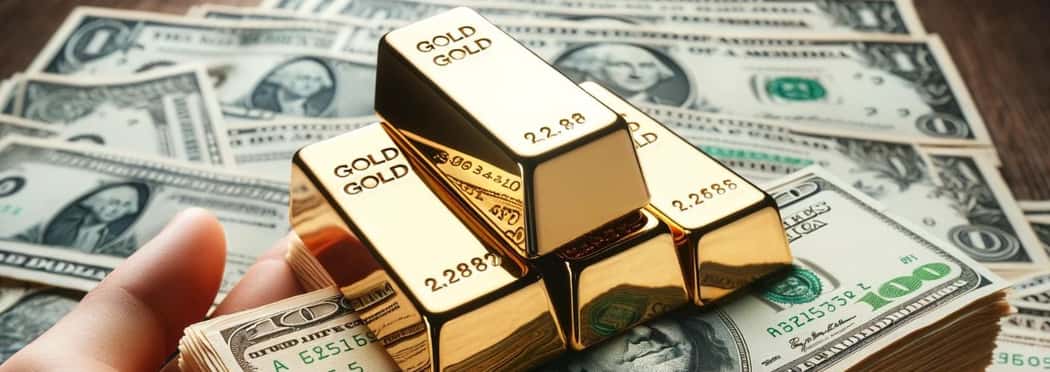
In today’s interconnected world, economic tensions on a global scale have become a significant factor in shaping the investment landscape. From trade disputes to geopolitical instability, investors are continuously seeking safe-haven assets to protect their wealth.
Precious metals, such as gold, silver, platinum, and palladium, have long been seen as reliable stores of value during uncertain times. Recently, global economic tensions have further highlighted the role of precious metals in investment portfolios.
This article delves into the impact of current global economic tensions on precious metal investments and why these assets are considered a refuge during times of instability.
1. The Role of Precious Metals in Economic Uncertainty
Precious metals have historically been used as a hedge against economic downturns, inflation, and currency devaluation. Unlike stocks and bonds, precious metals hold intrinsic value and are not subject to the same volatility driven by corporate earnings or interest rate changes. This makes them an attractive option for investors looking to preserve wealth.
During periods of economic uncertainty, investors often flock to assets that can maintain value. Gold, in particular, has maintained its reputation as a “safe-haven” asset due to its ability to retain value during times of crisis. However, silver, platinum, and palladium have also gained traction, especially as these metals have industrial applications, adding another layer of demand.
2. Global Economic Tensions and Their Impact on Precious Metal Prices
Several factors are contributing to global economic tensions, each playing a role in driving precious metal prices:
a. Geopolitical Conflicts
Geopolitical tensions, such as conflicts between nations or political instability in major regions, create uncertainty in global markets. Investors typically turn to safe-haven assets like gold to protect their portfolios from potential losses. For example, the Russia-Ukraine war caused spikes in precious metal prices as investors anticipated economic instability.
b. Trade Wars and Tariffs
The ongoing trade disputes between major economies like the United States and China have introduced volatility into financial markets. Trade wars can disrupt global supply chains, hinder economic growth, and increase inflation, making precious metals an appealing alternative investment. When tariffs are imposed, commodity prices can fluctuate, pushing investors toward more stable assets like gold and silver.
c. Inflation and Currency Fluctuations
Rising inflation and devaluing currencies are other significant drivers of precious metal prices. When inflation erodes the purchasing power of a currency, precious metals act as a hedge against this loss. For instance, during periods of high inflation in countries like Turkey or Venezuela, gold became a highly sought-after asset as their domestic currencies plummeted in value.
Similarly, when major currencies like the U.S. dollar or the euro weaken, it can prompt investors to seek alternative assets like gold. Since precious metals are priced in U.S. dollars, a weaker dollar makes gold and silver cheaper for investors holding other currencies, thus increasing demand.
d. Global Supply Chain Disruptions
Global supply chain disruptions have become more prevalent since the COVID-19 pandemic, causing scarcity in resources, including precious metals. Supply disruptions lead to a reduction in the availability of these metals, driving prices higher. This was particularly evident with palladium, which saw price surges due to supply constraints in the automotive industry, where it is used in catalytic converters.
3. Central Banks and Precious Metal Reserves
Central banks worldwide have taken an increasingly active role in bolstering their precious metal reserves, particularly gold, as a safeguard against economic instability. Countries like Russia, China, and India have been diversifying their reserves away from the U.S. dollar and increasing their gold holdings. This shift is partly a response to sanctions, trade tensions, and efforts to reduce reliance on Western financial systems.
For investors, the purchasing activities of central banks are a strong indicator of the value of precious metals as a reliable store of wealth. When central banks increase their gold reserves, it often signals the need to hedge against potential economic turmoil, further driving up prices and cementing gold’s position as a safe-haven asset.
4. Investment Demand for Precious Metals
The increasing demand for precious metals from both individual investors and institutional buyers has become a crucial driver of price movements. Exchange-traded funds (ETFs) focused on gold and silver have surged in popularity as investors seek to include more stable, tangible assets in their portfolios. Moreover, as global stock markets experience volatility due to economic tensions, precious metals provide a hedge against equity market downturns.
In times of geopolitical unrest, precious metal-backed ETFs often see significant inflows. This trend was evident during the COVID-19 pandemic when investors turned to gold ETFs to mitigate risks associated with economic shutdowns and stock market crashes.
5. The Long-Term Outlook for Precious Metals
While global economic tensions create short-term price fluctuations in precious metals, the long-term outlook remains positive. As economic tensions persist, whether through continued trade disputes, geopolitical conflicts, or inflationary pressures, precious metals are expected to hold their appeal for investors looking to safeguard their wealth.
Additionally, as global economies strive for recovery post-pandemic, supply chain disruptions and increased demand for industrial use of metals like silver and platinum could further contribute to price increases. Moreover, with renewable energy initiatives and advancements in electric vehicles, the demand for metals like palladium and platinum will likely remain robust, adding to their investment potential.
Conclusion
In today’s volatile economic climate, precious metals continue to play a pivotal role in investment strategies. With global economic tensions showing no signs of abating, investors are increasingly turning to gold, silver, platinum, and palladium to protect their wealth. The stability, intrinsic value, and historical significance of these metals make them a reliable hedge against inflation, currency devaluation, and market instability. Whether you're an individual investor or an institution, precious metals are an essential component of a well-diversified portfolio, especially during times of economic uncertainty.