View Charts
GOLD, SILVER, AND BITCOIN PRICES, DAILY MARKET NEWS. JUNE 2023.
 0
0Gold's Outlook Dims as Rate Hike Bets Grow
Jun. 30, 2023
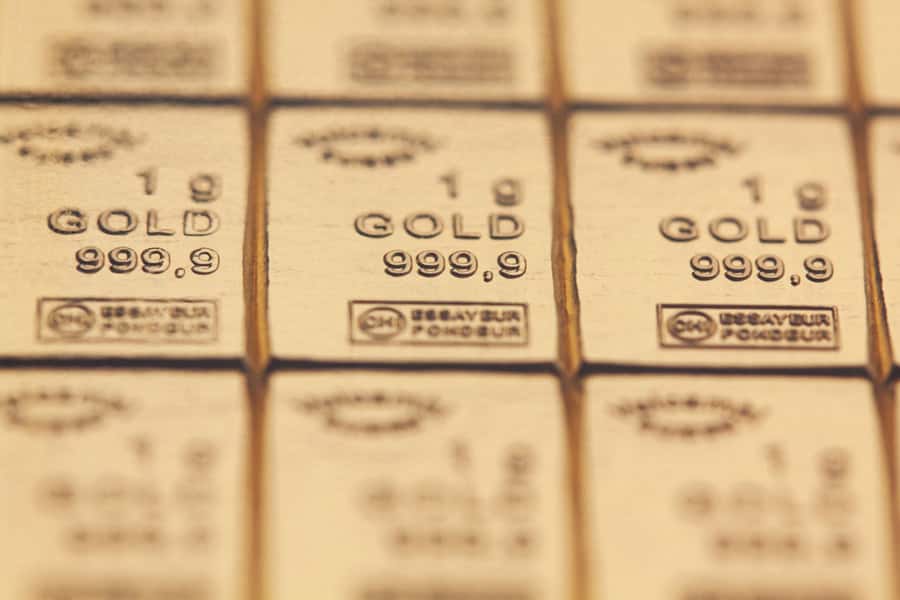
Gold, historically a safe-haven asset in times of economic uncertainty, is currently experiencing a challenging period. For the first time in three quarters, gold prices are poised for a dip as projections of further interest rate hikes by the U.S. Federal Reserve and global equivalents overshadow the future prospects for the precious metal.
As of June 30th, spot gold has seen a reduction of 0.2%, bringing it to $1,904.67 per ounce, a decrease of 3.3% for the quarter. U.S. gold futures mirror this trend, also shedding 0.2% to $1,913.10.
Rising inflation continues to be a major concern, and the forecast of ongoing rate hikes by central banks has started to diminish the allure of gold.
Ricardo Evangelista, a senior analyst at ActivTrades, suggests this is because the opportunity cost of holding gold increases as the central banks tighten their policies, leading to a generally bearish sentiment among gold investors.
A significant moment occurred when gold briefly dropped below the critical $1,900 threshold for the first time since mid-March. This decline came as a result of a steady stream of data painting a picture of a robust U.S. economy and reinforcing expectations for further policy tightening.
According to Federal Reserve Chair Jerome Powell, most policymakers at the U.S. central bank anticipate at least two more interest rate increases by year's end.
The implication of these interest rate hikes is profound for gold, primarily because they usually lead to an increase in bond yields, which consequently raises the opportunity cost of holding non-yielding bullion.
With the market awaiting the personal consumption expenditures (PCE) data for May, the core PCE is anticipated to be 4.7% on a year-on-year basis, significantly exceeding the Fed's 2% target. This situation reinforces the narrative of a strong economy persisting amid stubborn core inflation, thus justifying the stance for higher, prolonged rates.
Harshal Barot, a senior consultant at Metals Focus, summed it up: "Markets have now completely ruled out rate cuts for 2023." The state of affairs indicates a challenging period ahead for gold, as investors are forced to grapple with the consequences of inflation and impending rate hikes.
Silver rose 0.69% to $22.71 per ounce. Platinum increased by 0.81% to $904.60 per ounce, while Palladium jumped by 0.84% to $1,238.75 per ounce. Bitcoin dipped 1.52% to $29,982.00.
How might continued interest rate hikes by the U.S. Federal Reserve and other global central banks further impact the gold market in the coming quarters?
Record Capital Outflow from Germany: A Sign of Possible De-Industrialization?
Jun. 29, 2023

The German Economic Institute (IW) has recently reported an unprecedented capital flight from Germany, hinting at the potential de-industrialization of the Eurozone's largest economy.
According to the IW's analysis, the capital outflow in 2022 amounted to around €125 billion ($132 billion) more than the inbound direct investment. This marks the most significant net outflow ever recorded in Germany, raising considerable economic concerns.
The flow of German capital has mainly gravitated towards other European states, absorbing almost 70% of the total outflows. This trend, while serving the growth of neighboring economies, could significantly harm Germany's domestic industrial capabilities if left unchecked. Such a massive withdrawal of capital could, in the worst-case scenario, lead to de-industrialization, the IW warns.
The root cause of this economic shift extends beyond the immediate effects of the Covid-19 pandemic. German industries have also been battling the adverse consequences of the EU's ongoing energy crisis. The rising energy prices have created a harsh environment for businesses, significantly contributing to the increasing capital outflows.
Moreover, the scarcity of skilled workers has added to the existing burdens on German companies. These firms are caught in a bind, needing to expand and innovate but lacking the necessary human resources to do so.
Simultaneously, international circumstances such as the Inflation Reduction Act in the United States have made overseas investments increasingly attractive for German companies. Such programs provide financial incentives that German domestic investment climate currently lacks.
IW economist Christian Rusche underscores the effect of high corporate taxes, extensive bureaucracy, and struggling infrastructure on the deteriorating investment conditions in Germany. The combination of these factors seems to be propelling the capital flight, causing concern for Germany's economic future.
In light of these revelations, the IW strongly recommends that the German government take urgent action. It highlights the need for improved conditions for businesses, including addressing the shortage of skilled workers, reducing energy prices, and simplifying bureaucratic procedures.
Additionally, measures to decrease corporate taxes and improve infrastructure could help reverse the outflow trend and secure Germany's position as a prime destination for foreign investment.
The current economic climate indicates a critical junction for the German economy. The choices made by the government in the near future will play a significant role in determining the path ahead, whether towards re-industrialization or potential economic decline.
Today in precious metals, gold prices rose 0.07% to $1,908.86 per ounce. Silver dipped 0.34% to $22.60 per ounce. Platinum decreased by 1.41% to $901.50 per ounce, while Palladium sunk by 2.34% to $1,230.50 per ounce. Bitcoin slumped 0.18% to $30,330.00.
What might be the long-term economic impacts if the trend of capital flight from Germany continues, and how could potential de-industrialization affect the broader Eurozone economy?
Federal Reserve Chairman Foresees Additional 'Restriction', including Potential Consecutive Rate Hikes
Jun. 28, 2023
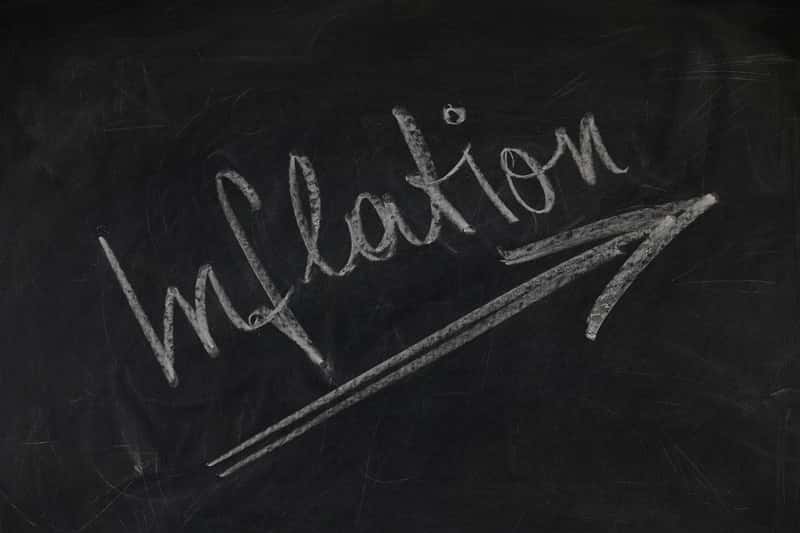
Federal Reserve Chairman Jerome Powell adopted a stringent stand on inflation during a monetary policy forum in Sintra, Portugal. He projected the likelihood of numerous future interest rate increases, possibly at an accelerated rhythm.
According to Powell, this increasing restriction is primarily due to a robust labor market. This viewpoint echoes the consensus at the June Federal Reserve meeting, where the probability of an additional half percentage point of increases by the end of 2023 was discussed.
Assuming an increment of a quarter point per meeting, this plan would demand two more hikes. Powell had previously hinted that these raises could be seen at alternating meetings. However, during Wednesday's session, he indicated that consecutive meetings could witness hikes, depending on the incoming data.
Since March 2022, the Federal Reserve has instituted rate increases at every meeting, including four successive three-quarter point moves. This trend was interrupted in June.
The markets responded to Powell's remarks with a modest downturn, as the Dow Jones Industrial Average fell more than 120 points.
The Federal Reserve's current stance is that the effects of ten successive rate hikes haven't fully impacted the economy yet. This leaves officials uncertain if the policy meets the "sufficiently restrictive" standard required to bring inflation down to the Fed's 2% target.
Many economists anticipate these rate increases will eventually lead to at least a mild recession in the U.S.
Powell also acknowledged that recent banking stresses, such as the closure of Silicon Valley Bank and two other institutions in March, influenced the Fed's decisions.
Despite his consistent faith in the overall solidity of the U.S. banking industry, he stated that the Federal Reserve should remain vigilant for potential issues with credit availability. Recent surveys indicate a trend of tightening standards and a decline in loan demand.
Other central bankers at the forum expressed similar concerns about inflation.
ECB President Christine Lagarde stated that there is still ground to cover, and anticipates another hike in July. Bank of Japan Governor Kazuo Ueda pointed out the possibility of tightening its ultra-loose policy if inflation remains high.
At the same time, Bank of England Governor Andrew Bailey emphasized the importance of reducing prices and ruled out the possibility of raising the 2% inflation target.
Inflation has proven to be more stubborn than initially expected. The Federal Reserve doesn't anticipate this trend to reverse soon but welcomes such a change when it occurs.
Today in precious metals, gold prices fall 0.06% to $1,912.37 per ounce. Silver dipped 0.06% to $22.81 per ounce. Platinum decreased by 1.08% to $914.50 per ounce, while Palladium sunk by 3.28% to $1,251.50 per ounce. Bitcoin slumped 0.18% to $30,330.00.
What are the potential economic implications and market responses if the Federal Reserve decides to increase interest rates at consecutive meetings as indicated by Chairman Jerome Powell?
Impending Saudi Arabian Oil Supply Cuts to the US Could Tighten Western Markets
Jun. 27, 2023

Saudi Arabia, one of the world's top oil producers, is expected to significantly reduce its crude oil exports to the United States starting in July. As per a recent report by Bloomberg, this sharp reduction could substantially impact the Western oil markets, possibly leading to tightening.
The Kingdom is planning to cut its crude production by 1 million barrels per day (bpd) next month, an equivalent of a 10% reduction. This significant reduction would bring the country's total oil output down to 9 million barrels a day, marking the lowest level since 2011.
Consequently, after implementing these production cuts, the oil-rich nation would have less than 6 million barrels available for export. This move is anticipated to have a more profound impact on Western countries than on Asian markets, which remain Saudi Arabia’s primary export market.
This disparity arises from Saudi Aramco's, the state-controlled oil giant, commitment to meet the crude oil demand of several Asian refiners fully. As such, the brunt of these production cuts will likely be felt most notably in Europe and the US, leading to potential disruptions in the oil markets west of the Suez Canal.
By strategically limiting supplies to its traditional Asian markets, Riyadh appears to be setting the stage to force a market tightening that would become evident in inventory reports. Saudi Aramco, which operates Motiva, the largest refinery by capacity in the US, could leverage this influence to affect supplies to the 630,000-bpd facility in Port Arthur as well.
Although the US's dependence on Saudi crude oil has decreased over the years, this strategic move by Riyadh could serve as a catalyst to boost global oil prices. Bloomberg suggests this strategy as the most effective measure Riyadh has to kickstart oil prices.
Saudi Energy Minister Prince Abdulaziz bin Salman hinted at a potential extension of the production cuts beyond July. This development would augment the voluntary reductions Riyadh and several large OPEC+ producers, including Russia, agreed upon in May.
These daily cuts, amounting to around 1.66 million barrels until the end of 2023, coupled with previous agreements, result in a total OPEC+ output reduction of 3.66 million barrels daily. This constitutes about 3.7% of global oil demand, pointing towards significant implications for the global oil market.
Today in precious metals, gold prices fall 0.39% to $1,914.73 per ounce. Silver rose 0.56% to $22.88 per ounce. Platinum decreased by 0.11% to $922.00 per ounce, while Palladium sunk by 0.99% to $1,291.60 per ounce. Bitcoin spiked 0.18% to $30,570.00.
What could be the potential impacts on global oil prices and the Western oil markets following Saudi Arabia's anticipated significant reduction in crude oil exports to the United States?
Gold Bar Vending Machines: The New Trend in South Korean Convenience Stores
Jun. 26, 2023

The surging demand for tangible assets as a buffer against escalating inflation and dwindling currencies is undeniable. Central bankers' strategies have been a catalyst for the inflation storm that is currently wreaking havoc on economies worldwide.
In response, investors are seeking refuge in gold and silver, traditional wealth-preserving assets that have withstood the test of time. However, access to these physical precious metals typically necessitates dealing with a bullion dealer, and the online acquisition process can span weeks before delivery.
Recognizing this rising demand for 'sound money', South Korean convenience store giant, GS Retail, has introduced a novel way to enhance accessibility to gold.
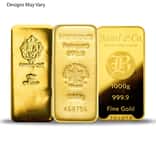
The company, with its massive presence across 10,000 locations, has recently unveiled gold bar vending machines. These machines offer gold bars in five different sizes, ranging from 0.13 ounces to 1.3 ounces, as reported by UPI News Korea.
The smallest size of 0.13 ounces, currently priced at approximately $225, is proving to be the most sought-after amongst customers, according to a representative from GS Retail.
The representative noted that the primary buyers are individuals in their 20s and 30s, seeing gold as a viable investment option, particularly in this turbulent economic period where its value is continually increasing.
GS Retail has so far launched 29 gold bar vending machines, and there are plans to raise this number to 50 by year's end. This move is aligned with the heightened global demand for physical gold, fueled by factors like banking crises in the US and Europe, concerns of a global slowdown, persistent inflation, and depreciating currencies.
The demand isn't limited to individual investors either; central banks themselves have been procuring gold aggressively.
However, not everyone views this development as purely an investment strategy. Inha University's Professor Lee Eun-hee views the convenience store gold bar purchase as a blend of serious investment and novelty. The professor believes that while inflation and the SVB crisis may have piqued interest in anti-inflationary assets like gold, the ease of buying gold bars at convenience stores adds a certain allure to the process.
The idea of enhanced accessibility underpins these developments, much like the emergence of cryptocurrency ATMs. Precious metal vending machines may very well be the next step in this progression.
However, it's also crucial to consider potential security challenges, especially in areas prone to theft. Despite these potential obstacles, the trend towards easier access to gold, and by extension, wealth preservation methods, is set to continue.
Today in precious metals, gold prices rose 0.25% to $1,925.03 per ounce. Silver jumped 1.85% to $22.82 per ounce. Platinum increased by 1.49% to $930.63 per ounce, while Palladium grew by 1.93% to $1,309.26 per ounce. Bitcoin sunk 1.04% to $30,312.00.
Global Workforce Facing Financial Strain amid Cost-of-Living Crisis: PwC Report
Jun. 23, 2023
A global cost-of-living crisis is escalating financial hardship among workers, as evidenced by the rising number of employees considering resignation and seeking higher-paid positions, according to a recent study by PricewaterhouseCoopers (PwC).
The study found that 26 percent of workers plan to switch jobs within the next year, a significant increase from last year's 19 percent. Moreover, 42 percent plan to ask for pay raises to cope with the elevated living costs, compared to 35 percent in the previous year.
Despite some easing, inflation continues to remain high compared to pre-pandemic levels, exerting financial pressure on households and undermining their financial stability.
In PwC's "2023 Hopes and Fears Global Workforce Survey," which collected responses from 54,000 employees across 46 countries, it was revealed that a growing number of households are struggling to make ends meet.
Those claiming their household could not afford most bills doubled from 2 percent last year to 4 percent in 2023. Simultaneously, households that could comfortably pay all bills and save or spend on leisure dropped from 47 percent to 38 percent.
The survey also indicated a rise in the number of workers holding multiple jobs, with 69 percent doing so for extra income and only 36 percent aiming to learn new skills.
The financial struggles are also preventing workers from preparing for future challenges, such as acquiring new skills and adapting to the rise of artificial intelligence (AI).
Those facing difficulties paying their bills are less likely to seek new skill development opportunities. This situation creates a divide in the workforce between those with specialist skills and those without, limiting company productivity and innovation while exacerbating the workers' financial stress.
Furthermore, outdated recruitment practices focusing on qualifications rather than skills are obstructing employees from exploring new opportunities. The World Economic Forum and PwC suggest that prioritizing skills in hiring practices could potentially help over 100 million people worldwide secure higher-quality jobs.
Meanwhile, U.S. labor market data indicate an uptick in job growth despite a rise in unemployment to a 7-month high of 3.7 percent, signaling easing conditions. Wage growth slightly decreased in May, with average hourly earnings slowing to 4.3 percent.
The labor force participation rate remained unchanged at 62.6 percent, but average weekly hours slightly declined, indicating a potential loss of steam in the labor market.
Today in precious metals, gold prices rose 0.65% to $1,925.30 per ounce. Silver jumped 1.02% to $22.44 per ounce. Platinum increased by 0.16% to $924.00 per ounce, while Palladium grew by 0.67% to $1,285.00 per ounce. Bitcoin spiked 1.04% to $30,202.00.
How might the rising financial struggles and Great Resignation impact the global economy in the future?
Bank of England Takes Market by Surprise with 50 Basis Point Rate Hike in Bid to Curb Persistent Inflation
June 22, 2023

In a surprising move, the Bank of England has increased interest rates by 50 basis points, bringing it to 5%, marking the 13th consecutive hike. This is an attempt by policymakers to deal with enduring high inflation.
The Monetary Policy Committee (MPC) voted 7-2 in favor of the half-a percent increase, disregarding market predictions that anticipated only a 25 basis point rise.
Following the announcement, the sterling slipped against the dollar, and yields on UK government bonds, also known as gilts, fell slightly.
New data reveals that annual UK consumer price inflation remained at 8.7% in May, matching the rate from the previous month. This inflation rate, combined with rising expectations from economists for further monetary tightening in the future, compelled the MPC to opt for another rate hike.
The Central Bank is particularly concerned about core inflation, which leaves out volatile elements such as energy, food, alcohol, and tobacco prices. It stood at 7.1% year on year in May, a rise from 6.8% in April, hitting the highest rate since March 1992.
The MPC attributes the steady inflation to a tight labor market and resilient demand, suggesting that if persistent inflationary pressures were to continue, further monetary policy tightening would be necessary.
Striking a balance is crucial for policymakers as they strive to adjust monetary policy to control inflationary pressures without causing a widespread mortgage crisis and recession.
The MPC acknowledged that the complete impact of the bank rate increase will take time to be felt due to the prevalence of fixed-rate mortgages. The bank has escalated its main rate from 0.1% to 5% since the end of 2021.
Despite these efforts, the Bank of England Governor Andrew Bailey acknowledged that inflation remains too high and expressed concern for mortgage holders and loan takers who might be worried about the rate increase. He emphasized the necessity of raising rates now to prevent worse outcomes later.
While the market had partially anticipated the larger increase, the size of the majority vote in favor of the hike suggests an urgency among MPC members. The move has been termed a "hawkish super-hike", hinting at policymakers' eagerness to preemptively manage the situation.
HSBC Asset Management's global chief strategist, Joseph Little, noted that the UK is in a precarious position with high inflation pressures and suggested a potentially higher terminal policy rate of up to 6%.
The UK's inflation rate is reducing at a slower pace compared to other developed economies and still accelerating. This move by the MPC has been seen as an admission that they have been lagging in their hiking policy.
Huw Davies, investment manager at Jupiter Asset Management, suggested that the Bank of England might have to put more pressure on UK households to achieve a controlled level of inflation more in line with their target.
Today in precious metals, gold prices fall 0.88% to $1,915.03 per ounce. Silver dipped 0.88% to $22.43 per ounce. Platinum decreased by 2.38% to $921.50 per ounce, while Palladium sunk by 4.86% to $1,281.00 per ounce. Bitcoin spiked 0.18% to $30,059.00.
How might the Bank of England's unexpected 50 basis point rate hike impact the UK's economy and its current inflation rate?
UK's Public Debt Hits 60-Year High, Surpassing Annual GDP: ONS Report Reveals
June 21, 2023

The United Kingdom is grappling with its highest level of public sector debt in over 60 years, as per the latest data revealed by the Office for National Statistics (ONS). Alarmingly, the current debt exceeds the country's annual economic output.
This development is a consequence of government borrowing surpassing previous predictions.
Excluding borrowing from state-controlled banks, public sector net debt reached an astounding £2.567 trillion ($3.28 trillion) by the end of last month. This figure translates to 100.1% of the UK's gross domestic product (GDP), according to the ONS.
The last time the UK witnessed debt levels exceeding 100% of the country's GDP was in 1961, marking the present scenario as a significant economic concern. Public sector borrowing now officially outweighs the entire UK economy.
In May alone, government borrowing amounted to £20.045 billion ($25.5 billion), reflecting a decrease of £3 billion ($3.8 billion) from April. However, this figure still surpassed the anticipated consensus of £19.5 billion ($24.8 billion).
The borrowing number for last month was £10.7 billion ($13.6 billion) higher than the same period in the previous year, marking the second-highest borrowing level for May since records began in 1993.
The ONS has released this debt data alongside the most recent inflation statistics, demonstrating the continued high growth of consumer prices in the UK.
PwC economist Divya Sridhar has warned of the potential impacts, stating that the increased spending will likely result from higher debt interest payments and inflation-linked benefits and tax credits.
Inflation in the UK stood at a high of 8.7% last month, exceeding expectations for the fourth consecutive month.
Today in precious metals, gold prices rose 0.62% to $1,955.30 per ounce. Silver jumped 1.76% to $24.03 per ounce. Platinum decreased by 0.15% to $975.00 per ounce, while Palladium grew by 3.27% to $1,404.00 per ounce. Bitcoin spiked 0.17% to $25,974.00.
What could be the potential impacts on the UK economy and its citizens, given the current surge in public sector debt and persistently high inflation rates?
China in Advanced Talks to Establish Military Base in Cuba, Stoking US Concerns
June 20, 2023

As per a report in the Wall Street Journal, China is reportedly in advanced talks with the Cuban government to set up a new joint military training facility in northern Cuba. If it comes to fruition, this move could significantly bolster China's military and espionage operations in the vicinity of the United States.
Notably, the proposed base is expected to be a part of China's "Project 141," an initiative by the People’s Liberation Army to expand its global military base and logistical support network.
The potential of a Chinese military presence so close to American soil has understandably sparked concerns among U.S. officials. In response, the Biden administration has attempted to intervene in these negotiations, making attempts to sway Cuban officials from moving forward with this agreement.
The fears are not unfounded; if this facility becomes a reality, it will increase China's capacity to conduct espionage activities from a location just a hundred miles off the coast of Florida.
This news comes shortly after earlier reports of China's intentions to establish Cuba as a hub for spying operations aimed at the southeast United States.
While anonymous US intelligence sources have substantiated the claims, there is a variance in the levels of alarm among policymakers and intelligence analysts. It is worth mentioning that these claims are based on classified U.S. intelligence which is convincing, albeit fragmented.
Interestingly, China and Cuba are reported to already operate four joint eavesdropping stations on the island. U.S. officials report that in 2019, this network saw a considerable upgrade when a solitary station expanded into a system of four sites, accompanied by increased Chinese participation.
Analysts have pointed out a strategic symmetry in China's move. Beijing may be using Cuba to counterbalance the U.S. presence in Taiwan, much like the latter does with the self-governing island off mainland China. The United States' military presence in the South China Sea, Taiwan, and other regional allies has been a cause for concern for Beijing.
Despite U.S. Secretary of State Antony Blinken's assurance that the U.S. does not support Taiwan's independence, his recent visit to Beijing did little to mend U.S.-China relations.
Chinese President Xi Jinping notably refused to resume direct military communication with Pentagon officials, indicating continued tension between the two nations.
China's potential military base in Cuba could have far-reaching implications for U.S. national security and geopolitical stability in the region. It remains to be seen how this situation will develop and how the United States will respond to this perceived threat.
Today in precious metals, gold prices dipped 0.62% to $1,936.30 per ounce. Silver fell 3.03% to $23.19 per ounce. Platinum decreased by 1.28% to $960.50 per ounce, while Palladium sunk by 1.52% to $1,382.15 per ounce. Bitcoin spiked 0.17% to $27,217.00.
What could be the potential geopolitical implications and outcomes if China establishes a military base in Cuba, given its proximity to the United States?
ECB Hikes Rates to 22-Year High, Contrasting with U.S. Fed's Approach
June 15, 2023
The European Central Bank (ECB) has taken a different path from the U.S. Federal Reserve, raising its main rate by 25 basis points to 3.5%. This move marks the highest rate in the last 22 years and comes in contrast to the U.S. Federal Reserve's decision to pause its own rate hikes.
The ECB has been steadily raising rates since July 2022, in response to the record-high inflation across the region. The latest figures indicate that while the inflation rate is slowing, with headline inflation at 6.1% and core inflation at 5.3% in May, these numbers still greatly exceed the ECB's target of 2%.
Despite the expectation of this decision in the market, there are still many uncertainties about what actions the ECB might take after the summer.
In its statement, the ECB assured that it is committed to ensuring that key interest rates reach levels that are restrictive enough to return inflation to its medium-term 2% target. This level would then be maintained for as long as necessary.
While inflation has shown signs of slowing, the ECB has increased its headline and core expectations for this and next year. It is now forecasting headline inflation of 5.4% this year, 3% in 2024, and 2.2% in 2025. Additionally, it has reduced its growth projections to 0.9% this year and 1.5% in 2024.
Following the announcement, the euro strengthened against the U.S. dollar, and European bond yields rose.
This rate hike by the ECB stands in stark contrast to the Federal Reserve's decision to keep rates steady. ECB President Christine Lagarde stated that there are no plans to pause the rate hikes, indicating a potential for another hike in July.
The Eurozone's entry into a technical recession in the first quarter of this year, due to a decrease in gross domestic product, has raised concerns about the ECB's capacity to further increase rates to combat inflation.
However, ECB officials have previously suggested that reducing prices takes precedence over preventing an economic slowdown. The focus is now on how the ECB plans to navigate this delicate balance in the months to come.
Today in precious metals, gold prices rose 0.89% to $1,959.06 per ounce. Silver fell 0.23% to $23.84 per ounce. Platinum increased by 1.48% to $989.52 per ounce, while Palladium dropped by 0.41% to $1,389.65 per ounce. Bitcoin dipped 0.17% to $24,974.00.
What could be the potential impact of the European Central Bank's decision to continue hiking rates, particularly given the contrast to the U.S. Federal Reserve's current stance?
Fed Significantly Increases Rate-Hike Expectations
June 14, 2023
The Federal Reserve's recent hawkish tone, evident in the latest dot-plot diagram, has led to a sudden upsurge in rate change expectations. This stance from the Fed has sent both the stock market and gold prices into a decline. The market is now pricing in a 70% probability of a rate hike in July, while the chance of a September rate hike stands at a substantial 95%. Both December and January have now completely ruled out any rate cuts, responding to this shift in monetary policy.
The immediate fallout was seen in the stock market, with a noticeable tumble, particularly among Small Caps, or companies with a market capitalization of between $300 million to $2 billion. Such companies are generally considered riskier investments and, therefore, are more sensitive to changes in interest rate expectations.
Gold, a traditional safe-haven asset, was also affected negatively, falling sharply on the hawkish signal from the Federal Reserve. Investors often turn to gold during times of uncertainty; however, the prospects of higher interest rates tend to diminish the allure of non-yielding assets like gold.
The dollar, on the other hand, managed a recovery to almost level out the day's losses, after initially tumbling on weak Producer Price Index (PPI) data. The PPI is an important indicator of inflation trends and can impact the Federal Reserve's decisions on interest rates. The dollar's rebound was largely influenced by the Fed's decision to adopt a more hawkish stance on interest rates.
The key question now is whether Federal Reserve Chair Jerome Powell can reverse this trend. It's a delicate balance to strike between maintaining economic growth and preventing runaway inflation. Powell's upcoming statements and decisions will be critical to market performance and could determine whether stocks and gold continue their slump or manage to recover.
Investors and analysts will closely monitor the situation in the coming months. With such heightened expectations for rate hikes, any sign of wavering from the Fed could induce significant market volatility. Conversely, steadfast commitment to the hawkish stance could continue to pressure risk assets and support the dollar, although this scenario will pose its challenges to economic growth prospects.
Deciphering the Federal Reserve's Potential Moves: A Pause in Rate Hikes on the Horizon?
June 14, 2023
The Federal Reserve's potential course of action for Wednesday holds significant implications for financial markets and the economy, with a pause in rate hikes appearing likely.
With the slowing pace of inflation, the Federal Reserve officials may choose to pause the rate hikes for now and reassess the situation. Bill English, a former Fed official who now serves as a finance professor at the Yale School of Management, notes that officials want to avoid creating a perception in the market that the tightening cycle has ended.
There are several considerations to take into account for the upcoming Fed action. Firstly, rates could remain in a target range between 5% and 5.25% if the Federal Open Market Committee decides to pause. Tuesday's consumer price index report showing a two-year low annual inflation rate of 4% seems to support this course of action.
However, the Fed will have to frame its post-meeting statement in a way that markets don't see this pause as a signal that policymakers are abandoning their inflation concerns and ending the rate-hiking cycle. The message from the Fed might be that they are inclined towards rate hikes, but want more data to solidify their decision.
Investors will then turn their attention to the "dot plot," a chart of individual members' expectations of where rates will go from here. Expectations in the market suggest that the dot plot will "move up," hinting at an additional rate hike this year, probably at the July 25-26 meeting.
In addition to the dot plot, members will update the Summary of Economic Projections, covering their outlook for gross domestic product, the unemployment rate, and inflation. Despite the Fed’s economists predicting a shallow recession due to a credit contraction, market expectations point towards an improved growth outlook.
The upcoming communication from the Fed is likely to carry a message that they're not convinced that this is the end of the rate hikes, but they're taking a pause to assess the impact of the banking crisis on the economy.
Following the release of the statement and projections, Fed Chairman Jerome Powell will take questions from the press to clarify the Fed's intentions. He is expected to maintain a cautious tone, emphasizing the need to bring down inflation.
Finding the balance between combating inflation and preventing economic collapse is the ultimate goal for the Fed. History shows that central banks often resume hiking rates soon after a pause if inflation persists, as Goldman Sachs notes.
Powell and his colleagues generally maintain that they can control policy levers to bring down inflation without causing a recession. However, there are no guarantees, and a recession remains the most likely scenario for most economists.
Continuing to raise interest rates could risk causing a structural break, as Ed Yardeni of Yardeni Research warns. Typically, the Fed tends to "overdo it," raising the Fed funds rate until it triggers a recession.
Today in precious metals, gold prices rose 0.62% to $1,955.30 per ounce. Silver jumped 1.76% to $24.03 per ounce. Platinum decreased by 0.15% to $975.00 per ounce, while Palladium grew by 3.27% to $1,404.00 per ounce. Bitcoin spiked 0.17% to $25,974.00.
What are the key factors that might influence the Federal Reserve's decision in their next meeting, and how likely is a pause in rate hikes?
Swiss Banking Sees New Giant with Assets Double the Country's GDP
June 13, 2023

UBS Group AG has declared the successful acquisition of its banking rival, Credit Suisse Group AG, forming an entity of immense financial power with a balance sheet valued at $1.6 trillion. This new banking titan holds assets worth nearly twice the annual output of Switzerland, estimated at $807 billion in 2022.
This consolidation marks the end of trading for Credit Suisse Group shares on the Swiss Exchange. Additionally, American Depositary Shares (ADS) of the bank will cease to be traded on the New York Stock Exchange. In return for their holdings, Credit Suisse shareholders will receive one UBS share for every 22.48 Credit Suisse shares owned. As of Monday morning, the bank’s shares were traded at approximately $0.9.
The merger between the two Swiss banking behemoths was first agreed upon in March, with a deal worth the equivalent of $3.25 billion. Orchestrated with governmental assistance, this move aimed at restoring public faith in the Western financial system and preventing a worldwide crisis in the aftermath of two regional bank collapses in the US.
Credit Suisse has been embroiled in a series of scandals, legal disputes, and significant customer withdrawals in recent years, leading to its ultimate downfall. The bank, which ranks second in size in Switzerland, reported a net loss of nearly $8 billion in 2022.
In a final blow, its largest investor, Saudi National Bank, stated in March that it would be unable to offer financial support due to regulatory and statutory constraints.
The conclusion of Credit Suisse's 167-year history is a significant event, and its dissolution has undoubtedly impacted Switzerland's reputation as a steadfast global financial center. Despite this, the successful consolidation with UBS signals a new chapter in Swiss banking, one marked by the dominance of a single, potent financial institution with unrivaled command of assets.
Today in precious metals, gold prices fell 0.60% to $1,945.21 per ounce. Silver dipped 1.34% to $23.72 per ounce. Platinum decreased by 1.36% to $977.00 per ounce, while Palladium rose by 0.97% to $1,359.00 per ounce. Bitcoin sunk 0.16% to $25,865.00.
What implications does the UBS and Credit Suisse merger have for the future of the Swiss banking sector and the global financial landscape?
Inflation Outlook Dips to Two-Year Low, Signals Optimism: New York Fed Survey
June 12, 2023
Amidst the persistent economic upheavals, a glimmer of optimism emerges as the inflation outlook hits a two-year low, according to a survey conducted by the New York Federal Reserve in May 2023. The survey findings imply a downward trend in inflation, with one-year inflation expectations declining by 0.3 percentage points, reaching a 4.1% rate - the lowest annual outlook since May 2021.
Historically, 2021 saw inflation spike to its highest in over 41 years, with an expected rate of 4% eventually escalating to an 8.5% increase in the consumer price index a year later. The current data, however, seems to be in sync with the consensus that while the prices remain considerably above the Fed's 2% annual target, a decreasing trend is in sight due to easing pandemic-specific factors like high demand for big-ticket goods and supply chain disruptions.
Despite the short-term outlook suggesting a downward movement, median inflation expectations over an extended period seem to be creeping upwards. Both the three- and five-year outlooks witnessed a 1 percentage point increase, settling at 3% and 2.7% respectively.
Rising inflation has, in part, been fuelled by escalating wages. Yet the survey unveils a diminishing outlook in this area too, with one-year expected earnings growth reducing to 2.8%, down 0.2 percentage points from April, aligning with the general range noted since September 2021.
Interestingly, the survey also captured the resilience of the labor market. Expectations of job loss diminished by 1.3 percentage points to 10.9%, the lowest since April 2022. Moreover, the mean probability of leaving one's job also fell by half a percentage point to 19.1%.
The job market's strength has withstood the impact of 10 Fed interest rate hikes, largely aimed at rectifying a labor imbalance where there were 1.8 job openings for every available worker in April. Market observers widely predict the Fed to refrain from raising rates in their upcoming meetings as policymakers weigh the impact of their previous decisions on economic conditions.
Lastly, the survey highlighted that household finances continue to remain robust, with an anticipated increase of 5.6% in spending over the next year. This represents a 0.4 percentage point increase from April, albeit lower than the 6.7% average witnessed over the previous 12 months.
Today in precious metals, gold prices fell 0.12% to $1,958.21 per ounce. Silver dipped 1.01% to $24.01 per ounce. Platinum decreased by 1.69% to $991.50 per ounce, while Palladium rose by 2.31% to $1,351.50 per ounce. Bitcoin sunk 0.30% to $25,860.00.
How might the decreasing inflation outlook, as reported in the New York Fed's survey, impact the Federal Reserve's future policy decisions, especially regarding interest rate hikes?
Former SEC Attorney Issues Stern Warning to Crypto Investors: Abandon Crypto Platforms Now
June 9, 2023
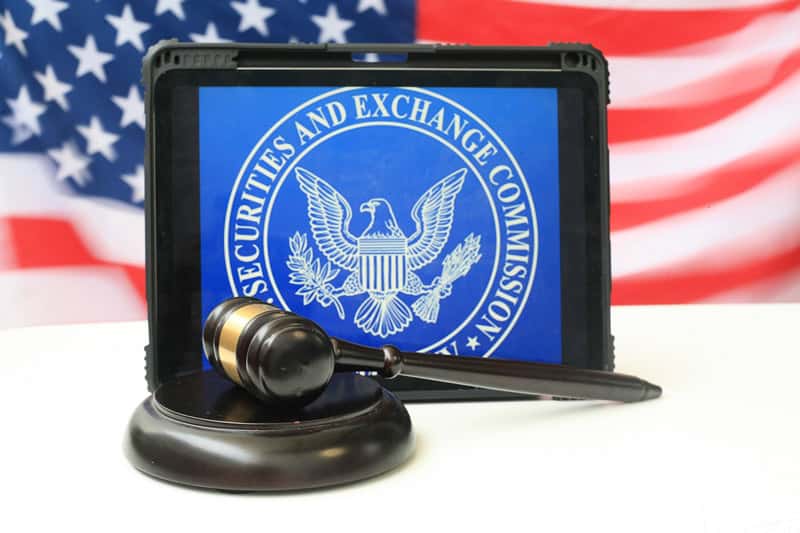
John Reed Stark, a former lawyer with the Enforcement Division of the U.S. Securities and Exchange Commission (SEC), has given a stringent warning to cryptocurrency investors.
Stark, who has spent nearly two decades at the SEC, including a stint as Chief of the SEC Office of Internet Enforcement, advised cryptocurrency investors to "Get out of crypto platforms now." He stated this warning in a tweet, asserting that crypto trading platforms are facing an onslaught of scrutiny from U.S. regulators, which has only just begun.
Stark identifies himself as a frequent critic of the SEC and confirms that he holds no personal stake in the world of cryptocurrencies, assuring his objectivity and neutrality in the matter. According to him, the SEC is correct in their efforts to enforce regulations on crypto-related activities. Stark emphasizes that crypto trading platforms are inherently risky and unsafe, no matter the assurances provided by their proponents.
By highlighting what the SEC's registration process requires of financial institutions, Stark underlines the responsibilities these entities have towards investor funds and securities. These duties include avoiding conflicts of interest, maintaining appropriate trading practices, and providing full disclosure of their policies and procedures.
The crypto trading platforms, according to Stark, are underregulated, allowing fraudulent practices to go undetected and unchecked.
Stark warns of the pitfalls of an unregulated crypto marketplace, lacking the standard protections given to participants in traditional financial markets. These protections, he explains, include a transparent surveillance program provided by SEC-registered entities, structures for accountability, compliance systems, and personnel that can track, analyze, and verifies trading activity and customer identities.
Stark also points out that the absence of regulations leads to a gaping void in customer protection on cryptocurrency exchanges. These platforms, according to him, are not bound by record-keeping requirements, pricing regulations, and internal compliance standards.
There are also no minimum financial standards for operation, liquidity, and net capital. Stark concludes that these circumstances pose a substantial risk to investors using these platforms.
According to Stark, SEC registration sets essential requirements to protect investors from individual risks and global systemic risks, making U.S. markets among the safest in the world.
Despite resistance from the crypto sector, Stark insists that the industry has been operating outside the constraints that traditional financial markets have had to respect. He argues that the cryptocurrency asset class must comply with regulatory standards to be accepted and established widely.
The surge in the SEC's enforcement actions against crypto firms in recent times can be seen as an indicator of this regulatory trend. The bankruptcy of the FTX cryptocurrency exchange triggered an acceleration in the SEC's efforts to regulate the industry.
There has been a significant increase in enforcement actions since the second half of 2022, contrasting the relatively low figures seen in the preceding years.
Today in precious metals, gold prices fell 0.21% to $1,961.56 per ounce. Silver jumped 0.23% to $24.59 per ounce. Platinum decreased by 0.05% to $1,007.60 per ounce, while Palladium sank by 4.12% to $1,309.84 per ounce. Bitcoin grew 1.22% to $26,462.00.
What could be the potential consequences for crypto investors who choose to ignore the warning from the former SEC attorney to exit crypto platforms?
Eurozone Enters Technical Recession Following Two Consecutive Quarters of Economic Contraction
June 8, 2023
The Eurozone economy, as reported by Eurostat, witnessed a contraction in the first quarter of 2023. This brings the total to two consecutive quarters of shrinkage, thus confirming the Eurozone is tec