View Charts
Gold Jewelry Investment: Pros, Cons, and Value Guide
 0
0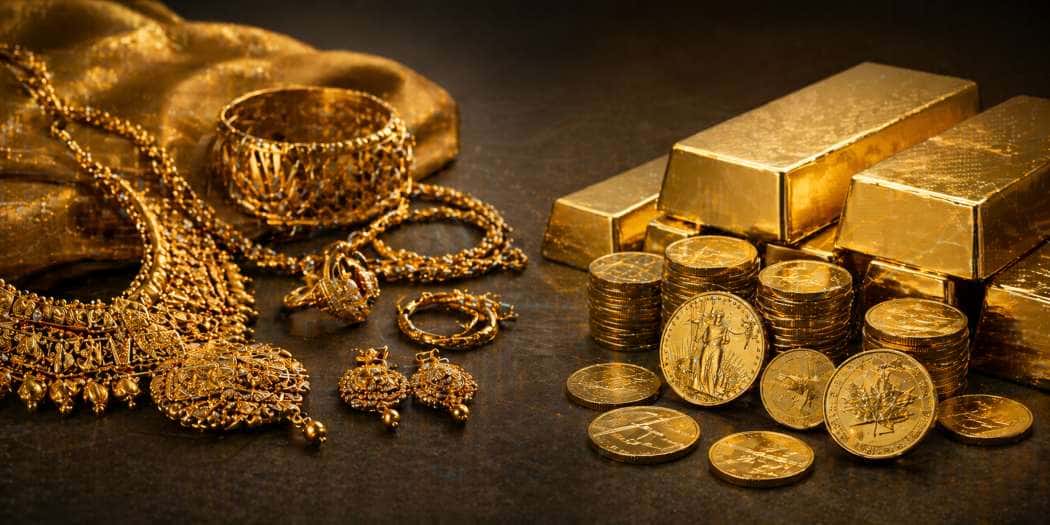
Is Gold Jewelry a Smart Investment in Today’s Market?
Gold jewelry remains one of the most widely purchased forms of gold worldwide, but its role as an investment is often misunderstood. With the gold spot price fluctuating based on inflation, interest rates, and global demand, buyers are increasingly evaluating whether jewelry offers true financial value or primarily aesthetic appeal. While gold jewelry provides tangible ownership and cultural significance, its pricing structure—driven by craftsmanship, branding, and retail markups—creates a different investment profile compared to gold coins and bars.
Markup Reality: Why Jewelry Costs More Than Gold Value
The most important factor in any gold jewelry investment is the markup. Unlike bullion products priced close to melt value, jewelry often carries significant premiums that can range from 20% to well over 100% above intrinsic gold content.
These premiums reflect:
-
Design and craftsmanship
-
Brand positioning
-
Retail overhead and distribution costs
While these elements add beauty and uniqueness, they are rarely recoverable upon resale. As a result, jewelry typically does not track the gold spot price as efficiently as bullion products, making it less effective for pure investment purposes.
Karat Tradeoffs: Purity vs. Durability in Jewelry
Gold jewelry is rarely pure gold. Instead, it is alloyed with other metals to enhance durability, resulting in varying karat levels:
-
24K (99.9% gold): Highest purity, but too soft for everyday wear
-
22K (91.67% gold): Common in investment-grade jewelry in global markets
-
18K (75% gold): Balance of durability and value
-
14K (58.5% gold): More durable, but significantly lower gold content
This tradeoff directly impacts investment value. Lower karat jewelry contains less gold, meaning its resale value is more sensitive to both purity and market pricing. For investors, understanding gold purity is critical when assessing long-term value.
Liquidity Differences: Jewelry vs Coins and Bars
One of the key distinctions between jewelry and bullion is liquidity. Gold coins and bars are standardized, widely recognized, and easily priced, allowing for straightforward resale in global markets.
Jewelry, on the other hand:
-
Requires appraisal or testing
-
Is often valued below purchase price
-
May be sold as scrap rather than as a finished piece
This creates a gap between purchase price and resale value. While jewelry can be liquidated, it generally lacks the immediate, transparent pricing associated with bullion products.
Emotional Value vs Financial Efficiency
Gold jewelry occupies a unique space between personal and financial assets. Unlike coins or bars, jewelry carries emotional, cultural, and aesthetic value, which often justifies its premium for buyers.
However, from an investment standpoint, this added value does not translate into higher returns. Instead, jewelry should be viewed as a dual-purpose asset—one that offers enjoyment and long-term gold exposure, but not optimized financial performance.
Market Demand and Cultural Buying Patterns
In many regions, particularly in Asia and the Middle East, gold jewelry plays a significant role in wealth preservation and cultural traditions. In these markets, high-purity jewelry—often 22K or higher—is used as a form of portable wealth.
This demand supports global gold consumption and can influence pricing trends, especially during peak buying seasons such as weddings and festivals. However, even in these markets, buyers tend to favor higher purity pieces with lower design premiums to retain more intrinsic value.
Comparing Jewelry to Bullion: Efficiency and Strategy
When comparing gold jewelry to coins and bars, the differences become clear:
Gold Coins and Bars:
-
Lower premiums
-
Higher liquidity
-
Closer tracking to gold spot price
-
Designed for investment
Gold Jewelry:
-
Higher markups
-
Lower resale efficiency
-
Added artistic and cultural value
-
Designed for wear and display
For investors focused on maximizing exposure to gold’s price movements, bullion products typically provide greater efficiency and transparency.
When Gold Jewelry Can Make Sense Financially
Despite its limitations, gold jewelry can still play a role in a broader strategy under certain conditions:
-
When purchased at low premiums relative to gold content
-
When focusing on higher karat pieces (22K or above)
-
When combining personal use with long-term holding
-
When buying in markets where resale demand is strong
In these cases, jewelry can function as a store of value with added utility, though it still differs from traditional investment vehicles.
Positioning Jewelry in a Modern Gold Portfolio
As gold continues to respond to inflation trends, monetary policy shifts, and global uncertainty, investors are becoming more selective about how they allocate capital. Jewelry is increasingly viewed as a complementary holding, rather than a core investment asset.
Its role is evolving—less about maximizing returns, and more about blending personal value with long-term asset preservation. For those building diversified gold exposure, understanding where jewelry fits relative to bullion is essential.
Related reading you may find interesting:
Indian Wedding Gold Tradition: Investment Perspective