View Charts
Gold and Hyperinflation: Weimar, Zimbabwe, Venezuela
 0
0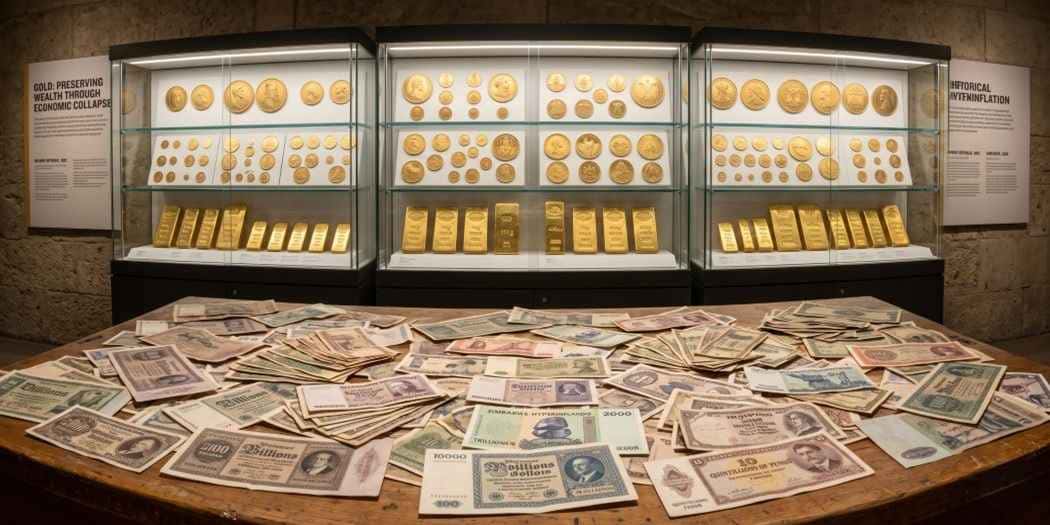
Understanding Gold's Role in Hyperinflation: Case Studies from Weimar, Zimbabwe, and Venezuela
Hyperinflation has plagued economies throughout history, leaving devastating effects on both the currency and the people who rely on it. However, during times of extreme inflation, gold has consistently proven its value as a store of wealth. By analyzing the experiences of Weimar Germany, Zimbabwe, and Venezuela, we can better understand how gold spot prices performed as an economic hedge in these hyperinflationary environments and what this means for today's investors.
In 2026, as inflationary pressures build globally, especially with central banks adjusting monetary policies, these historical case studies offer crucial lessons about the role of gold in preserving value. Today’s investors must look back at these examples to grasp the full impact of hyperinflation on fiat currencies and the potential of gold to weather such economic storms.
Weimar Germany: The Role of Gold Amidst One of History's Worst Hyperinflations
Following World War I, Weimar Germany experienced one of the most infamous cases of hyperinflation in modern history. In the early 1920s, the German mark became nearly worthless as the government printed more money to pay off war reparations. Prices soared uncontrollably, and the value of the mark plummeted.
During this period, gold became an essential asset for those who could afford it. Gold coins, jewelry, and other forms of gold storage became valuable alternatives to the rapidly depreciating currency. As the mark’s value dropped daily, the price of gold in the currency skyrocketed, leading many to flock to it as a means of preserving their wealth.
In this case, gold acted as a safe haven. While paper currencies were rendered almost useless, gold's intrinsic value stood the test of time. Today, we see echoes of this situation in countries experiencing rising inflationary pressures. The lesson from Weimar Germany is clear: during hyperinflation, the value of gold often increases dramatically as people look for stable stores of wealth.
Zimbabwe: A Modern Case of Hyperinflation and the Flight to Gold
Fast forward to the late 2000s, Zimbabwe experienced one of the worst cases of hyperinflation in history. At its peak, Zimbabwe's inflation rate reached an astronomical 89.7 sextillion percent month-on-month. The Zimbabwean dollar became worthless, and everyday transactions required large bundles of banknotes, often in the trillions.
As in Weimar Germany, the Zimbabwean populace turned to gold in an effort to preserve value. Gold coins and jewelry became highly sought after in Zimbabwe, as the country’s people and businesses moved away from the Zimbabwean dollar. In fact, gold prices in Zimbabwe rose significantly during the inflationary period, and many people began using gold as a medium of exchange, further solidifying its role as a hedge against inflation.
For investors today, the Zimbabwe experience underscores the importance of diversifying into hard assets like gold during times of hyperinflation. As the value of fiat currencies deteriorates, gold maintains its purchasing power, offering protection against the rapid erosion of wealth.
Venezuela: The Collapse of the Bolívar and Gold’s Resilience
Venezuela's hyperinflation crisis, which began in the mid-2010s, offers another clear example of the devastating effects inflation can have on a country’s currency. The Venezuelan Bolívar lost over 99% of its value in less than a decade, with inflation reaching over 1,000,000% in some years. As the national currency collapsed, Venezuelans turned to gold as a stable form of wealth.
During Venezuela's crisis, gold demand skyrocketed, especially among those seeking to escape the Bolívar’s rapid depreciation. Gold bars and coins became valuable commodities for Venezuelans, and the government also began to hold large amounts of gold reserves to stabilize the nation’s economy. However, the government’s policies failed to control the hyperinflation, and the Bolívar continued its downward spiral, while gold held its value.
For modern investors, Venezuela’s crisis serves as another reminder of gold's enduring role as a hedge during times of extreme inflation. As national currencies fluctuate wildly, gold offers a stable alternative, protecting individuals and institutions from the destruction of their financial assets.
How Hyperinflation Drives Gold’s Demand and Price
The case studies of Weimar Germany, Zimbabwe, and Venezuela all demonstrate the same essential truth: gold’s value rises in times of hyperinflation. As the purchasing power of paper currency collapses, investors and individuals alike flock to gold as a store of value. This dynamic is not limited to past crises; it is a principle that applies to any environment where inflation outpaces the value of the national currency.
Gold’s ability to preserve wealth is rooted in its limited supply and intrinsic value. Unlike fiat currencies, which can be printed at will by central banks, the supply of gold is finite. This scarcity makes it an attractive asset when inflation erodes the value of currency, causing gold spot prices to rise in response.
As the global economy faces inflationary pressures, particularly due to factors like supply chain disruptions, political instability, and expansive fiscal policies, it is likely that we will see growing demand for gold. Investors will seek it as a hedge against uncertainty, and gold prices may continue to rise as they have in previous periods of hyperinflation.
What Can We Learn From These Case Studies?
From the lessons of Weimar Germany, Zimbabwe, and Venezuela, it is clear that gold plays a critical role during times of economic collapse. As inflation accelerates, the value of gold often rises, offering a way for individuals and investors to protect their wealth. However, it’s not just about the price of gold—these case studies emphasize the importance of gold as a tangible asset that cannot be inflated away.
For today’s investors, the key takeaway is to view gold as a long-term strategy in the face of potential inflationary crises. Gold's role in preserving wealth during times of hyperinflation is tried and true, and the lessons of history suggest that it will continue to perform this role as global inflationary pressures rise.