View Charts
Exploring the Rarity and Value of Pre-1933 Gold Coins
 0
0Pre-1933 gold coins hold a special place in the world of numismatics and precious metal investing. These coins, minted before the United States government’s recall of gold in 1933, are not only valuable for their gold content but also for their historical significance and rarity. Collectors and investors alike seek these coins for their beauty, scarcity, and potential for appreciation in value. In this article, we will explore the history, rarity, and value of pre-1933 gold coins, and why they continue to be a popular choice for those looking to diversify their portfolios or start a coin collection.
A Brief History of Pre-1933 Gold Coins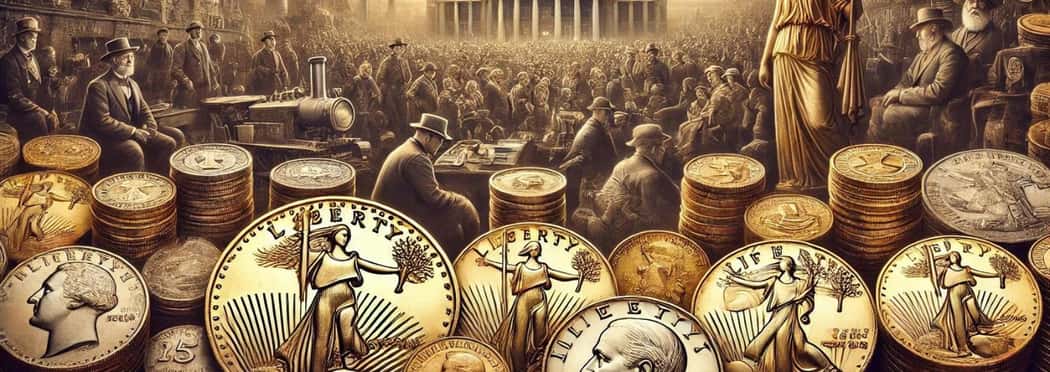
Before 1933, gold coins were a common form of currency in the United States. The U.S. Mint produced various denominations of gold coins, including $20 Double Eagles, $10 Eagles, $5 Half Eagles, $2.50 Quarter Eagles, and $1 Gold Dollars. These coins were struck in different designs, with some of the most famous being the Saint-Gaudens Double Eagle, the Liberty Head design, and the Indian Head design.
The Gold Reserve Act of 1934, signed by President Franklin D. Roosevelt, marked the end of the production of gold coins for circulation. This act followed an executive order in 1933 that required U.S. citizens to turn in their gold coins, gold certificates, and gold bullion to the Federal Reserve. The government then melted down much of the gold to be stored as gold bars in Fort Knox and other depositories. As a result, many pre-1933 gold coins were destroyed, adding to their rarity and desirability today.
The Rarity of Pre-1933 Gold Coins
The rarity of pre-1933 gold coins can be attributed to several factors, including low mintage numbers, the destruction of coins during the gold recall, and the passage of time. Some of the rarer pre-1933 gold coins were minted in limited quantities, making them highly sought after by collectors.
For example, the 1933 Saint-Gaudens Double Eagle is one of the most famous and rarest coins in the world. Although 445,500 of these coins were minted, almost all were melted down following the gold recall. Only a few escaped, with one selling for a record $18.9 million in 2021. While not all pre-1933 gold coins are as rare or valuable as the 1933 Double Eagle, many have similarly compelling stories and histories that make them prized possessions.
Coins from certain years, mints, or with particular design features can be more valuable due to their scarcity. For instance, coins minted at the Carson City Mint, which operated from 1870 to 1893, are often more valuable due to their lower production numbers. Additionally, coins in higher grades (i.e., those that have been well-preserved and exhibit minimal wear) can command significantly higher prices than those in lower grades.
Determining the Value of Pre-1933 Gold Coins
Several factors influence the value of pre-1933 gold coins, including their rarity, condition, historical significance, and gold content. Here’s a closer look at these factors:
-
Rarity: As previously mentioned, the rarity of a coin is a primary determinant of its value. Coins that were produced in smaller quantities, or that have survived in smaller numbers due to events like the 1933 gold recall, are generally more valuable.
-
Condition: The condition or grade of a coin is critical in determining its value. Coins are graded on a scale from 1 to 70, with 70 representing a perfect, uncirculated coin. The higher the grade, the more valuable the coin. Even slight differences in grade can result in significant differences in price.
-
Historical Significance: Coins that are associated with important historical events or periods, like the Civil War or the California Gold Rush, may be more valuable due to their historical significance. Additionally, certain designs, such as the Saint-Gaudens Double Eagle, are highly regarded for their artistic merit, adding to their value.
-
Gold Content: The intrinsic value of the gold content in pre-1933 gold coins also plays a role in their overall value. However, it’s important to note that the numismatic (collector) value of these coins often exceeds their melt value. For example, a pre-1933 gold coin might contain $1,500 worth of gold but be valued at $2,500 or more due to its rarity, condition, and historical significance.
-
Market Demand: Like any collectible, the value of pre-1933 gold coins can fluctuate based on market demand. Coins that are highly sought after by collectors can command higher prices, while those in less demand may sell for closer to their melt value.
Investing in Pre-1933 Gold Coins
For investors, pre-1933 gold coins offer a unique combination of gold bullion’s intrinsic value and the potential for numismatic appreciation. Because these coins are no longer in production and many were destroyed following the gold recall, they are considered a finite resource. This scarcity can make them a valuable addition to a diversified investment portfolio.
Investing in pre-1933 gold coins requires careful consideration and research. Potential investors should consider working with reputable dealers who can provide information on the coins’ authenticity, grade, and historical significance. Additionally, having coins graded and certified by professional services like the Numismatic Guaranty Corporation (NGC) or Professional Coin Grading Service (PCGS) can help ensure their value and authenticity.
Conclusion
Pre-1933 gold coins represent a fascinating chapter in American history and are highly prized by collectors and investors alike. Their rarity, historical significance, and intrinsic value make them a unique and potentially rewarding investment. Whether you’re a seasoned collector or new to numismatics, these coins offer a tangible connection to the past and the opportunity to own a piece of history. As with any investment, it’s essential to do your due diligence and work with trusted professionals to ensure you’re making a sound investment in these valuable and historical coins.