View Charts
Executive Order Sets Stage for Gold Bar Tariff Relief
 0
0
A New Era for Gold Trade
On September 5, 2025, President Trump signed a pivotal Executive Order (EO), effective September 8, that reshapes how the United States may apply tariffs on select goods—including precious metals. Of particular interest to bullion investors and industry professionals, the EO explicitly names gold bars (minted and cast) under tariff lines that could see relief once trade agreements with U.S.-aligned partners are finalized.
This is not an immediate elimination of tariffs but a framework for potential relief. The order introduces both opportunity and uncertainty, as importers, wholesalers, and retail buyers await clarity on which partners will qualify. The broader market impact will unfold gradually, with consequences for premiums, supply patterns, and trade dynamics.
What the Executive Order States — and What It Does Not
The EO, officially titled “Modifying The Scope Of Reciprocal Tariffs And Establishing Procedures For Implementing Trade And Security Agreements,” modifies the Harmonized Tariff Schedule of the United States (HTSUS) to authorize tariff reductions when reciprocal agreements are concluded. Crucially, it covers:
-
HTS 7108 — Gold, including unwrought, semi-manufactured forms, and powder.
-
HTS 7115 — Articles of precious metals or clad metals.
Key Takeaways:
-
Authority Granted, Not Immediate Action: The EO does not instantly zero out tariffs on gold bars today. Instead, it enables reductions—down to 0%—once aligned trade agreements are finalized.
-
Refund Potential: If tariffs are paid before an agreement comes into effect, importers may later seek refunds through U.S. Customs and Border Protection (CBP).
-
Selective Application: The U.S. can maintain tariffs on non-aligned producers, making trade policy a tool of diplomacy as well as economics.
Which Countries Matter Most for U.S. Gold Imports?
-
Switzerland: As the world’s largest gold refining hub, it is the single most important partner in this context. A tariff reduction here could meaningfully reshape U.S. gold bar imports.
-
Canada and Australia: Both are major producers and long-standing allies, making them strong candidates for tariff relief under future agreements.
-
Others: Additional aligned partners could emerge as deals expand, though details remain pending.
For now, until agreements are ratified, tariffs remain in place on all gold bar imports.

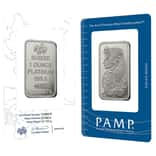
Minted and cast gold bars—products directly referenced under HTS tariff lines.
Expected Impact on Gold Supply
-
Future Increased Flow
If tariffs fall to 0% for Switzerland or other allied refiners, U.S. imports of minted and cast bars should accelerate. -
Supply Chain Realignment
Importers will shift sourcing toward aligned partners, potentially sidelining supply from non-aligned jurisdictions. -
Short-Term Bottlenecks
While awaiting clarity, some wholesalers may delay shipments or hedge exposure to avoid paying tariffs now that could later be refunded—tightening short-term supply.
Effects on Gold Prices and Premiums
-
Premium Compression (Future Scenario): Lower import costs would reduce U.S. bullion premiums, with savings passed to wholesalers and eventually retail investors.
For example, a tariff relief of just 2% on a $3,600/oz gold bar equals a $72 cost reduction per bar—a meaningful shift in retail pricing.
-
Spot Price Unaffected Directly: The global gold spot price will continue to be driven by macroeconomic forces—real yields, Fed policy, and central bank demand.
-
Premium Volatility: Until agreements are finalized, uncertainty could lead to temporary spikes in U.S. premiums as importers price in risk.
Timeline: When Will Relief Be Felt?
-
Short Term (Now): Tariffs remain in place. Importers face the same landed costs until agreements are signed.
-
Medium Term: Once deals with key partners (e.g., Switzerland) are finalized, tariffs on gold bars could drop to 0%, leading to lower U.S. premiums.
-
Long Term: Trade policy remains a moving target, and tariffs could re-emerge if geopolitical relationships shift.
-
Customs Guidance Is Key: Even after agreements are signed, implementation will depend on guidance from U.S. Customs and Border Protection (CBP). Only once procedures are published and refunds processed will investors and wholesalers see the effect in actual premiums.
Investor Guidance
-
Retail Stackers: Watch for narrowing premiums once tariff relief is enacted—ideal timing for adding bullion to your holdings.
-
Wholesalers/Refiners: Plan for potential refunds and shifting sourcing patterns; aligning contracts with “friendly” suppliers will be essential.
-
Strategic Investors: Keep trade policy risk in mind alongside macro drivers like rate cuts and inflation. Gold remains both a hedge and a geopolitical tool.
Key Takeaways
-
The Sept. 5, 2025 Executive Order sets the framework for possible tariff relief on minted and cast gold bars.
-
Tariffs are not yet eliminated—agreements with aligned partners are required.
-
Switzerland, Canada, and Australia are top candidates for relief.
-
U.S. premiums could narrow significantly once tariff relief applies.
-
Spot gold prices remain macro-driven, while tariffs shape local landed costs.
Conclusion: A Framework, Not a Free Pass
The Sept. 5 Executive Order marks a significant development in the intersection of trade policy and bullion markets. While it does not eliminate tariffs on gold today, it establishes the legal path to do so once agreements with aligned partners are in place.
For now, premiums remain intact, but the prospect of cheaper access to high-quality Swiss and allied gold bars is firmly on the horizon. Investors, stackers, and wholesalers alike should monitor trade negotiations closely, as tariff relief could materially reshape the U.S. bullion landscape in the months ahead.
As negotiations unfold, Bullion Exchanges will continue providing investors with trusted access to competitively priced bullion bars and coins, ensuring you remain positioned for both immediate opportunities and long-term wealth preservation.
FAQ: Executive Order and Gold Bar Tariffs
Are tariffs on gold bars eliminated now?
No. The EO authorizes reductions but does not eliminate tariffs immediately. Relief applies only after agreements with aligned partners are finalized.
Which countries could benefit from tariff relief?
Switzerland is the most likely candidate, followed by Canada and Australia. These countries supply large volumes of refined bullion to the U.S.
How do tariffs affect gold premiums?
Tariffs increase landed costs for importers, which in turn raises premiums paid by wholesalers and retail buyers. Eliminating tariffs compresses those premiums.
When will investors see lower premiums?
Not until qualifying agreements are signed and implemented. Customs may refund duties retroactively once relief is in place.
Will gold spot prices drop if tariffs are eliminated?
No. Spot gold is driven by macroeconomic forces. Tariff relief primarily affects U.S. premiums and retail pricing, not the global benchmark price.