View Charts

Diwali Gold Buying Guide: How to Choose Coins and Bars
 0
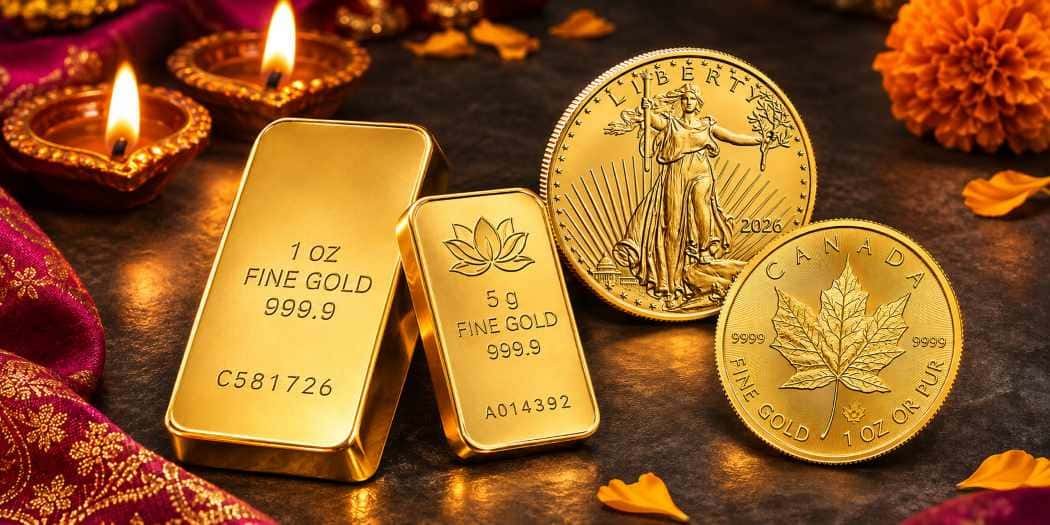
Choosing Gold for Diwali in 2026
With Dhanteras approaching on November 6 and Diwali following on November 8, gold buyers face a familiar decision: which form of gold best suits the occasion? Coins, bars, and decorative bullion pieces all offer different advantages, but choosing among them requires more than comparing designs.
Gold has long symbolized prosperity, good fortune, and lasting family wealth during Diwali celebrations. Elevated prices in 2026, however, have made buyers more conscious of weight, premiums, and overall spending. A small gold bar may carry considerable cultural significance without requiring the financial commitment of a full-ounce coin, while recognizable bullion products can offer practical advantages beyond the holiday.
Recent demand figures illustrate this changing approach. According to the World Gold Council's assessment of India's gold market, Indian gold demand increased 24% from the second to the third quarter of 2026, reaching 162 tonnes, but remained 29% below the corresponding period in 2025. Bar and coin purchases reached 55 tonnes, rising 9% quarter over quarter while declining 40% from a year earlier.
These figures suggest that traditional gold buying remains important even as households become more selective. For Americans celebrating Diwali, fractional coins and smaller bars provide an accessible way to honor the occasion. The challenge is finding a product that balances cultural meaning, precious-metal content, and reasonable cost.
Gold Coins, Bars, and Decorative Bullion: Comparing the Options
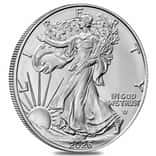
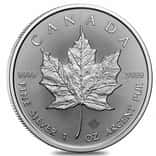
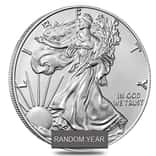
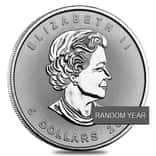
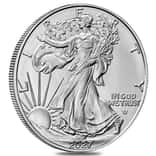
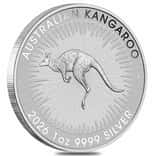
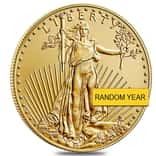
Gold coins appeal to buyers who value recognizable designs, government-mint production, and established specifications. American Gold Eagles and Canadian Gold Maple Leafs, for example, are familiar to bullion dealers and collectors, making them practical choices for recipients who may eventually sell or trade their gold.
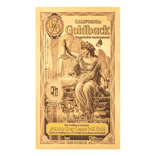
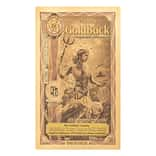
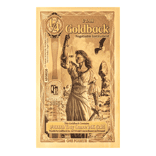
Gold bars emphasize different advantages. Conventional bars often carry competitive premiums, particularly in larger sizes, while smaller bars in protective assay packaging can make convenient gifts. Decorative products featuring Lakshmi or other culturally significant imagery offer an additional connection to Diwali traditions, combining precious-metal ownership with a more personal presentation.
The intended recipient should influence the choice. A first-time gold owner may appreciate a sealed bar with clearly marked weight and purity, while an established collector might prefer a recognizable bullion coin. Families purchasing gold annually may also favor consistent weights or product types, making their holdings easier to organize and document.
Presentation can justify paying somewhat more for a particular piece, but decorative features do not necessarily increase resale value. A future dealer may value an ornate bar primarily according to its gold content, regardless of the significance of its imagery. Similarly, limited-edition claims and elaborate packaging should not be mistaken for guaranteed future collectability.
Buyers can compare conventional gold coins and bars alongside Diwali-themed bullion, considering both the recipient's preferences and the product's underlying value.
Understanding Gold Purity and the True Cost of a Purchase
Two gold products can look similar yet contain different amounts of precious metal. A .9999 fine gold bar contains 99.99% gold, while a 22-karat coin contains approximately 91.67% gold by total weight. However, lower purity does not necessarily mean less actual gold. A one-ounce American Gold Eagle contains a full troy ounce of pure gold despite its 22-karat composition, with additional alloy metals increasing its total weight and durability.
Actual gold weight is therefore the most useful starting point for comparing products. Buyers should verify the manufacturer's specifications rather than relying on purity percentages alone, particularly when comparing coins with bars or products denominated in grams versus troy ounces.
The next consideration is the premium above the underlying metal value. Retail premiums reflect fabrication, distribution, dealer costs, demand, and sometimes collectible or decorative features. A five-gram coin and a five-gram bar may contain nearly identical amounts of gold but sell at noticeably different prices.
Smaller products generally carry higher premiums relative to their gold content because manufacturing expenses are spread across less metal. Several one-gram bars may cost more than a single five-gram bar, even when their combined gold content is identical. Individual packaging and the convenience of gifting multiple pieces may justify that additional expense, but buyers should recognize the trade-off.
Comparing the final checkout price is equally important. Payment-method discounts, shipping charges, and applicable taxes can affect the total cost, making an advertised price less useful than the amount actually paid. A meaningful Diwali purchase should fit a comfortable budget without sacrificing transparency about its gold content or premium.
Buying Before Dhanteras: Timing, Availability, and Presentation
Holiday purchases introduce a practical complication that longer-term bullion buyers may overlook: placing an order before Dhanteras does not guarantee that the gold will arrive before the celebration.
Online bullion purchases can involve payment processing, clearance periods, order preparation, and shipping. Presale products may require additional time before fulfillment begins. Buyers planning to present physical gold on November 6 or November 8 should therefore confirm availability and review estimated dispatch and delivery timelines before ordering.
Packaging also deserves consideration. Protective assay cards help preserve a bar's identifying information, while capsules and other holders protect coins from unnecessary handling. Removing bullion from its original packaging merely to improve presentation may complicate future authentication or resale. A separate gift box can provide an attractive alternative without disturbing the product's protective enclosure.
For recipients who will retain their gold over many years, recognizable manufacturing and straightforward storage may matter more than elaborate presentation. Those purchasing primarily for the celebration may place greater emphasis on meaningful imagery or individual packaging. Neither approach is inherently superior, provided the buyer understands the associated costs.
Making a Purchase That Remains Meaningful After Diwali
The strongest Diwali gold purchase is one that satisfies its immediate purpose while remaining practical afterward. A decorative bar may be especially appropriate for a meaningful family gift, while a conventional bullion coin or bar may offer greater familiarity when eventual resale is a consideration.
The World Gold Council's research on India's gold investment market highlights the longstanding importance of small gold products in festive purchasing and gifting. That tradition accommodates different budgets and reasons for ownership without requiring every buyer to choose the same format.
Gold prices can fluctuate substantially, and neither an auspicious purchase date nor an attractive design guarantees a financial return. Buyers should establish a comfortable budget, verify precious-metal content, and understand the total purchase cost before making their selection.
Diwali gives gold significance beyond its market price. Choosing thoughtfully allows buyers to honor that tradition while acquiring something that can remain meaningful for years to come.
Related reading you may find interesting:
Central Banks Buy More Gold as Retail Demand Falls: WGC Report