View Charts

Central Banks Buy More Gold as Retail Demand Falls: WGC Report
 0

Gold's Biggest Buyers Are Sending Different Signals
Gold demand is revealing an unusual divide. Central banks accelerated purchases during the third quarter of 2026, and exchange-traded funds attracted substantial investment, yet individuals buying physical bars and coins became more cautious. The contrast challenges the assumption that rising gold prices necessarily reflect stronger demand from every category of buyer.
The World Gold Council's Q3 2026 Gold Demand Trends report, published November 3, shows central-bank purchases rising 42% year over year to 321 metric tonnes. Meanwhile, global bar-and-coin investment declined 19% to 268 tonnes, while physically backed gold ETFs attracted 211 tonnes of inflows. These figures describe purchases made between July and September, before the latest U.S. election-related market movements.
The divergence raises an important question: why are institutions increasing their exposure to gold while many individual buyers hesitate? The answer lies in differences in investment horizons, purchasing costs, and the reasons each group holds the metal.
Central Banks Continue Buying Despite High Prices
Official-sector demand reached its highest quarterly level since late 2024, extending a period of substantial reserve accumulation. Central banks purchased an estimated 321 tonnes during Q3, compared with approximately 226 tonnes a year earlier. Purchases during the first nine months of 2026 reached 675 tonnes, 6% above the corresponding period in 2025. These gains occurred despite a quarterly average gold price of approximately $4,262 per ounce, about 23% higher than a year earlier.
Central banks evaluate gold within reserve portfolios containing foreign currencies, government securities, and other assets. Diversification, liquidity, geopolitical exposure, and confidence in reserve currencies can influence their allocations. Unlike households deciding whether an additional bullion purchase fits their budgets, reserve managers generally operate with longer investment horizons and different objectives. Elevated prices may influence the timing of purchases without eliminating the strategic reasons for holding gold.
The report also highlights the limits of publicly disclosed buying figures. Official announcements accounted for approximately 120 tonnes, considerably less than the estimated 321-tonne total. China and Poland represented much of the disclosed accumulation, but unreported activity prevents a complete country-by-country assessment.
This distinction builds on the earlier discussion of why central banks favor gold over silver. Gold's established monetary role helps explain why institutions hold it; the latest figures show that reserve accumulation continued even as prices remained historically elevated.
Gold ETFs Attract Investors While Physical Buying Slows
Investment funds provided another important source of demand. Physically backed gold ETFs attracted 211 tonnes during Q3, more than reversing the previous quarter's 47-tonne outflow. Global holdings reached a record 4,256 tonnes, with approximately $31 billion in quarterly net inflows. European-listed funds gained 92 tonnes, North American funds added 81 tonnes, and Asian funds attracted another 34 tonnes.
The World Gold Council identified concerns about fiscal sustainability, inflation, sovereign bond markets, and broader financial uncertainty among the influences supporting investment interest. However, ETF purchases should not be confused with retail bullion buying. Exchange-traded products provide exposure through securities, allowing investors to adjust positions without arranging individual delivery or storage. Physical coins and bars involve different ownership arrangements, transaction costs, and liquidity considerations.
That flexibility can make ETFs attractive during volatile markets, particularly for institutional investors managing portfolio allocations. Someone purchasing physical bullion may instead consider product premiums, storage, resale conditions, and the cash required for a particular denomination. Strong ETF inflows therefore do not guarantee increased coin and bar sales, even when both groups share a favorable longer-term view of gold.
Why U.S. Retail Gold Demand Fell Sharply
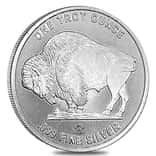
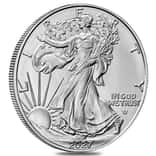
Global bar-and-coin demand declined to 268 tonnes during Q3, its lowest quarterly level in four years. The United States experienced an especially pronounced contraction, with demand falling 40% year over year to approximately 8 tonnes, its weakest quarter since late 2019. The World Gold Council cited subdued newly minted coin sales and continued profit-taking among existing holders.
These developments do not necessarily indicate that Americans have abandoned physical gold. Some owners may sell into higher prices, while prospective buyers postpone purchases or wait for more attractive entry points. Dealers can also satisfy demand using previously owned inventory, reducing the need for newly produced bullion. Consequently, weaker net investment demand can reflect changing transaction patterns rather than a complete disappearance of buyer interest.
Affordability is another consideration. Higher spot prices increase the cash required to purchase familiar bullion products, even when dealer premiums remain relatively stable. Buyers comparing gold coins and bars may respond by selecting smaller denominations, delaying purchases, or reassessing their purchasing budgets.
The quarterly decline also needs historical context. Global bar-and-coin investment during the first nine months of 2026 totaled 1,053 tonnes, the strongest January-through-September result since 2013. The third-quarter slowdown followed substantial earlier accumulation, making it misleading to describe the entire year as a period of weak physical investment.
China and India Reveal a More Complicated Retail Market
Regional differences further challenge the idea of a uniform retreat from physical gold. China's bar-and-coin demand increased 7% year over year to approximately 79 tonnes, even as global purchases declined. Demand during the first nine months reached 393 tonnes, establishing a record for that period.
Weaker domestic equity performance and lower government bond yields helped improve gold's relative appeal, while temporary price pullbacks encouraged bargain hunting. Continued purchases by China's central bank may also have supported confidence in the metal, although household investment and official reserve accumulation remain separate demand categories.
India followed a different pattern. Its bar-and-coin demand fell 40% year over year to approximately 55 tonnes, partly reflecting elevated prices and festival-related purchasing that shifted into the fourth quarter. Nevertheless, Indian demand increased compared with Q2, demonstrating why both annual and quarterly comparisons matter.
Currency movements, local investment alternatives, seasonal buying patterns, and household purchasing power can produce very different outcomes across countries. Global demand figures are useful for identifying broad trends, but they cannot explain every regional market without additional context.
High Prices Are Changing Gold Consumption and Supply
The effects of elevated prices extend beyond investment. Global jewelry consumption fell 17% year over year to 313 tonnes, the weakest third-quarter volume in the World Gold Council's data series. Yet the value of those purchases increased approximately 2% to $43 billion. Consumers collectively spent more money while acquiring less gold, illustrating how rising prices can support sales values even as physical volumes decline.
Manufacturers and retailers have responded by emphasizing lighter-weight and lower-carat jewelry, particularly in major markets such as China and India. Meanwhile, mine production increased 3% to a third-quarter record of approximately 1,071 tonnes, but recycled gold supply declined 8% to 314 tonnes. Despite historically elevated prices, existing holders did not release enough additional metal to produce a recycling surge.
These developments illustrate why gold prices cannot be explained through a single demand category. Jewelry consumption, mine production, recycling, institutional accumulation, and investment flows respond to different incentives, often moving in opposing directions during the same quarter.
What the Demand Divide Means for Gold's Outlook
Total Q3 gold demand, including over-the-counter activity, reached approximately 1,369 tonnes, just 1% below the previous year's level. Across the first nine months, demand totaled 3,881 tonnes, virtually matching 2025's record pace. The overall market remained substantial, but its composition shifted toward central banks and financial investment as many physical retail buyers became more cautious.
That combination does not guarantee further price increases. Changes in interest rates, currencies, investor positioning, or official-sector purchasing could alter the balance. However, weaker coin and bar sales alone cannot establish that demand for gold is deteriorating across the entire market.
The next important question is whether physical buyers return as they adjust to prevailing prices, and whether institutional accumulation remains strong enough to offset weakness elsewhere. Alongside the gold spot price, ETF flows, central-bank disclosures, Treasury yields, and regional bullion demand will help clarify how that balance develops.
The latest figures reveal a market in which institutions, financial investors, and households are making different decisions about the same metal. Understanding those differences provides a more useful perspective on gold's outlook than treating any single category of buyers as representative of the entire market.