View Charts
Could $5,000 Silver Become Reality? Analysis and Outlook for 2025
 0
0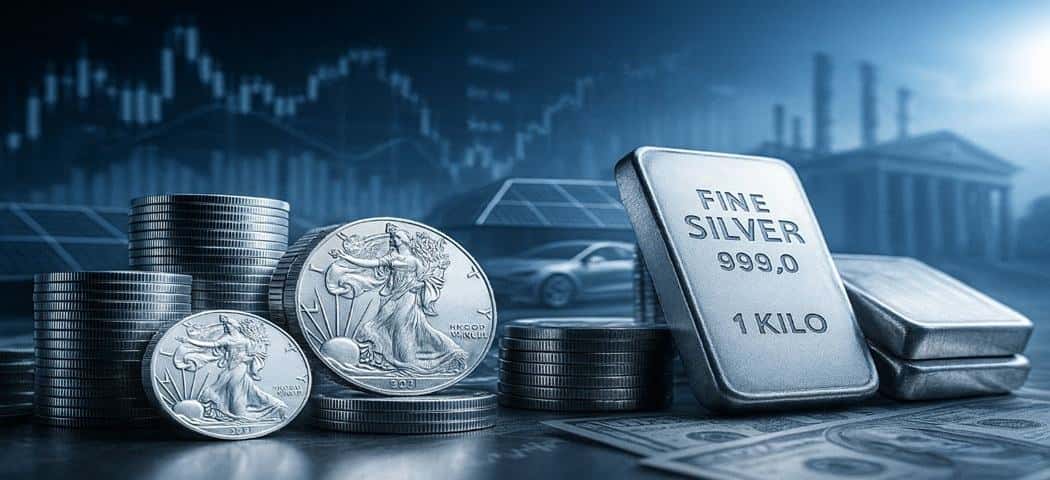
Silver’s Explosive Momentum in 2025
Silver has stormed into the spotlight in 2025, capturing headlines and investor attention as prices now trade around $46.50 per ounce — the highest levels in more than a decade. With the critical $50 milestone clearly within reach, excitement is mounting among traders and long-term investors alike. From a base of steady growth in 2023–2024, silver’s surge has been fueled by persistent inflation, shifting Federal Reserve policy, and booming industrial demand tied to the green energy transition.
This momentum has revived discussions not only about $50 silver but also about whether future benchmarks of $100, $500, or even $5,000 could ever become reality. The natural question emerges: how high could silver really go?
What If a Silver Standard Returned?
To understand the idea of $5,000 silver, we must first imagine a world where silver is restored as a monetary anchor. Historically, nations operated under bimetallism — using both gold and silver to back currency. The U.S. relied on silver coins in circulation well into the 20th century before fully abandoning precious metal backing in 1971.
A return to a silver standard would mean tying the value of currency directly to silver reserves. This would dramatically increase demand, as governments, institutions, and individuals would all need to hold substantial amounts of silver to support financial systems. With limited above-ground supply and surging industrial usage, such a scenario could create unprecedented upward pressure on prices.
Of course, the likelihood of a true silver standard today is low. But even whispers of monetary re-linkage or strategic reserve demand could act as a catalyst for major price moves.
Is $5,000 Silver Possible?
While $5,000 silver may sound like fantasy, consider the math. At today’s money supply levels, replacing even a fraction of fiat with silver backing would require a massive revaluation. Analysts often point to the gold-to-silver ratio — currently hovering near 81:1 — as evidence that silver is undervalued relative to gold.
If gold reached $4,000 per ounce, and the ratio narrowed to a historically tighter 40:1, silver would trade at $100. To see $5,000 silver, we would need a global monetary reset, a collapse of fiat confidence, or an unprecedented surge in industrial scarcity. Though unlikely near-term, the theoretical framework demonstrates silver’s asymmetric potential — its ability to outperform dramatically in extreme conditions.
Lessons from History: When Silver Surged
Silver’s past price spikes show just how volatile and powerful its moves can be.
-
1980 Hunt Brothers Spike – Silver soared to $49.45 an ounce when the Hunt brothers attempted to corner the market, proving how quickly demand shocks can multiply.
-
2011 Debt Crisis Rally – During U.S. debt ceiling turmoil and European debt worries, silver again approached $50, surging to $49.21, and nearly quadrupling from its 2008 lows.
-
2020 Pandemic Surge – Amid COVID-19 uncertainty, silver rallied sharply to nearly $30, as investors sought safe havens while industrial supply chains strained.
Each of these surges shows that while silver often lags, when conditions align, its rallies can be explosive.
The 2025 Silver Landscape: Drivers of Growth
So far this year, silver has surged on a combination of macroeconomic and industrial trends:
-
Federal Reserve Policy: With rate cuts beginning, real yields are pressured downward, lifting demand for non-yielding assets like silver.
-
Inflation Persistence: Even as official inflation readings cool, sticky price pressures keep investors hedging.
-
Dollar Volatility: A fluctuating U.S. dollar has kept demand for precious metals high, particularly in emerging markets.
-
Industrial Demand: Solar panels, EV batteries, and advanced electronics continue to expand silver’s role as both an investment and an industrial necessity.
-
Geopolitical Uncertainty: Ongoing global tensions make silver attractive as a safe-haven asset alongside gold.
Investor Implications: What This Means for You
For investors, today’s silver surge means opportunity but also volatility. Silver often trades more erratically than gold, amplifying both gains and losses. This makes it attractive for traders but also rewarding for long-term holders who can withstand the swings.
-
Long-Term Stackers: Benefit from accumulating ounces during dips, taking advantage of silver’s tendency to outperform in inflationary cycles.
-
Short-Term Traders: Can capitalize on rapid swings as silver reacts to Fed decisions, currency moves, and headlines.
-
Collectors: Numismatic and semi-numismatic silver coins often see premiums rise even faster than spot prices during rallies, adding another layer of opportunity.
Silver vs. Other Assets: Why It Stands Apart
Unlike cryptocurrencies or equities, silver has tangible, intrinsic value backed by centuries of history. It plays a dual role — both as a safe-haven and an essential industrial metal. This duality makes it uniquely positioned to thrive in both inflationary environments and industrial booms.
While stocks and bonds remain tethered to earnings and yields, silver remains a hedge against systemic shocks. And compared to gold, silver offers greater affordability, allowing investors of all sizes to participate.
Strategies in Today’s Market
Practical approaches for silver investors in 2025 include:
-
Dollar-cost averaging: Smooths out volatility by buying regularly regardless of short-term swings.
-
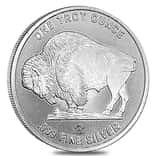
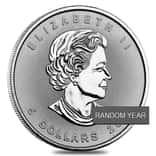
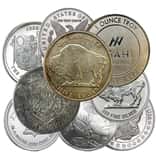
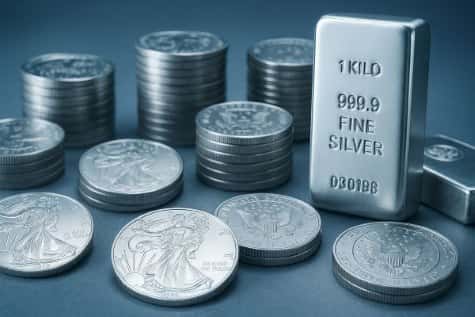
Mixing formats: Bars for low premiums, coins for liquidity and recognition.
-
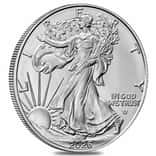
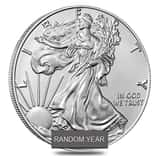
Watching premiums: Secondary market demand often pushes coins like American Silver Eagles far above spot during rallies.
By combining these strategies, investors position themselves for both short-term opportunity and long-term stability.
Looking Ahead: Could Silver Hit New Records?
The road to $5,000 silver is paved with “what ifs,” but the path to higher prices in 2025 looks far more tangible. With inflation persistent, Fed cuts likely, and industrial demand growing at record pace, silver is poised to remain one of the most exciting assets of the year. A return to $50 silver would already represent a historic achievement — one within reach given today’s fundamentals. But in a world where monetary systems face growing strain, imagining $500 or even $5,000 silver isn’t purely fantasy.
For investors, the lesson is clear: silver’s potential lies not just in its current price but in its role as a hedge, a commodity, and a store of wealth that has endured for centuries. Whether through bars, coins, or specialty issues, silver’s moment in the spotlight may only just be beginning — leaving investors to ask once again: how high could silver really go?
FAQ: Silver Price Potential and Market Outlook
Is $50 silver realistic in 2025?
Yes. With prices already around $46.50, the $50 milestone is within reach. Strong industrial demand, persistent inflation, and supportive Federal Reserve policy all make $50 a realistic near-term benchmark.
What would it take for silver to reach $100 per ounce?
For silver to double from $50 to $100, conditions would likely include a narrowing gold-to-silver ratio, further monetary easing, and surging demand from sectors like solar and EVs. A global liquidity crisis or monetary reset could also accelerate such a move.
Could silver ever really hit $5,000?
While highly unlikely in the near term, $5,000 silver would require a radical shift — such as a return to a silver-backed monetary system, complete fiat currency collapse, or severe supply shortages. The idea is more theoretical, but it highlights silver’s asymmetric potential.
How does industrial demand affect silver prices?
Industrial use accounts for over 50% of annual silver demand. Silver is essential for solar panels, electric vehicles, semiconductors, and medical technologies. Rising green energy adoption makes industrial demand one of the most powerful long-term drivers of silver prices.
What role does inflation play in silver’s value?
Silver often performs well during inflationary cycles because it is a tangible asset that holds purchasing power. Persistent inflation in 2025 has been a major catalyst for silver’s surge to $46.50, as investors seek protection from currency debasement.
Why is silver more volatile than gold?
Silver’s market size is smaller than gold’s, which means price moves are exaggerated when demand spikes or when traders sell. This higher volatility can produce rapid gains — but also sharp corrections — making timing and discipline especially important.
Should investors buy physical silver or ETFs in 2025?
Both have advantages. Physical silver (coins and bars) offers tangible ownership and long-term security, while ETFs provide liquidity and convenience for trading. Many investors choose to hold a mix of both to balance flexibility with security.