View Charts
Costco Gold Bars vs. Online Bullion Dealers: Which Is the Better Buy?
 0
0
Why More Investors Are Comparing Costco With Traditional Gold Dealers
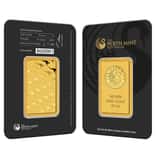
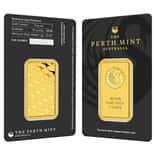
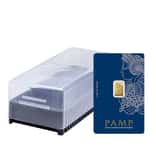
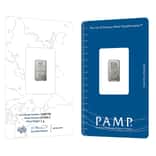
The surge in demand for physical gold over the past two years has changed where many Americans begin their search for bullion. Alongside established precious metals dealers, Costco has emerged as an unexpected destination after introducing investment-grade gold bars from respected refiners such as PAMP Suisse and Rand Refinery. Limited inventory, competitive pricing, and the retailer's familiar shopping experience have fueled headlines—and rapid sellouts.
That attention has prompted a broader question than whether Costco sells gold. Investors increasingly want to know whether buying from a warehouse retailer offers a genuine advantage over purchasing through dedicated online bullion dealers.
The answer depends on more than the advertised price. Premiums fluctuate with market demand, inventory availability changes quickly, and the overall ownership experience extends well beyond checkout. Factors such as purchase limits, payment methods, shipping policies, product variety, and future liquidity all influence the total value buyers receive. Comparing those elements provides a more complete picture than focusing on spot price alone.
Costco's Gold Strategy Reflects Growing Mainstream Demand
Costco's entrance into the bullion market says as much about today's investment landscape as it does about the retailer itself. Physical gold has benefited from persistent inflation concerns, elevated geopolitical risks, record central bank purchases, and growing interest in portfolio diversification. As those themes have become part of everyday financial conversations, demand has expanded beyond traditional precious metals investors.
For Costco members, purchasing a one-ounce gold bar can feel like a natural extension of buying other high-value household products. The retailer already enjoys a reputation for competitive pricing and consumer trust, reducing some of the uncertainty first-time buyers often associate with precious metals. That familiarity has helped introduce physical bullion to customers who may never have visited a specialized dealer before.
Scarcity has also played an important role. Costco typically offers only a small selection of products, and inventory often disappears within hours of becoming available online. Those frequent sellouts have generated substantial media attention and social media discussion, reinforcing the perception that Costco's gold bars represent exceptional value.
Yet limited availability can be both a strength and a weakness. While the excitement surrounding each restock reflects strong demand, it also means buyers cannot reliably purchase whenever market conditions align with their investment strategy. Timing becomes dependent on inventory rather than the investor's own objectives.
Comparing More Than Price Reveals Meaningful Differences
Headline pricing naturally attracts attention, especially when gold trades near record highs. Costco has earned praise for offering competitive premiums on select products, particularly when members combine purchases with executive rewards or credit card cash-back programs. Under the right circumstances, those incentives can partially offset the premium paid above the spot price of gold.
However, comparing purchase prices alone rarely captures the full buying experience.
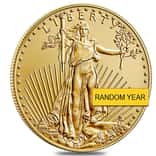
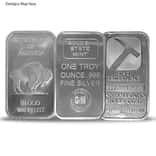
Dedicated bullion dealers typically provide significantly broader inventories that include gold coins, silver products, platinum, palladium, fractional denominations, proof issues, and collectible releases from government mints around the world. Investors seeking American Gold Eagles, Canadian Maple Leafs, South African Krugerrands, or fractional bullion generally have far more options through specialized dealers than through warehouse retailers with rotating inventories.
Availability also matters during periods of heightened demand. Investors building positions through regular purchases often value consistency more than occasional bargains. A dealer maintaining continuous inventory allows buyers to execute dollar-cost averaging strategies regardless of market conditions, whereas intermittent stock shortages may delay purchases or force investors to monitor restocks.
Long-term service creates another point of distinction. Many bullion dealers provide market education, product guidance, secure shipping options, storage partnerships, and in some cases buyback programs that simplify future liquidation. Those services become increasingly valuable as portfolios grow, particularly for investors planning to hold precious metals for many years rather than making a single purchase.
Purchase Limits Can Change the Real Buying Experience
Costco’s gold offerings often come with purchase limits, typically restricting members to a small number of bars per transaction or within a set period. Those limits are understandable for a retailer managing unusually strong demand, but they can materially affect how useful the platform is for buyers who want to build a larger gold position, average into the market, or make a timely allocation when prices move.
Dedicated bullion dealers generally offer more flexibility on in-stock products. While large orders may require compliance review, payment verification, or inventory confirmation, buyers are usually not constrained by the same consumer-facing limits that often accompany high-demand warehouse-retail gold drops. That difference matters most when gold prices are moving quickly or when an investor wants to purchase several ounces at once rather than wait for restocks.
For occasional buyers, a limit of one or two bars may not be a serious drawback. For portfolio-driven buyers, however, the ability to place a larger order in one transaction can reduce timing risk, simplify recordkeeping, and make it easier to execute a planned allocation. In that sense, purchase flexibility becomes part of the overall value proposition, even when the advertised price appears similar.
Can Credit Card Rewards Really Tip the Balance?
One of the most talked-about advantages of purchasing gold through Costco has little to do with bullion itself. Because the retailer accepts credit cards for online purchases, some buyers have found ways to earn cash back, travel points, or airline miles on transactions that would otherwise require a bank wire or ACH payment through many precious metals dealers.
On paper, the math can be compelling. A buyer using a rewards card alongside Costco Executive Membership benefits may recover a meaningful percentage of the purchase price through rebates. If those combined rewards exceed the additional premium paid over spot, the effective cost of the gold can become surprisingly competitive.
The calculation, however, isn't universal. Some specialized bullion dealers also accept credit cards, although pricing often differs from wire or ACH purchases to account for processing costs. Others offer lower premiums specifically for electronic bank payments, allowing investors to reduce their acquisition cost from the outset. Whether rewards offset those differences depends on the product, the payment method, prevailing premiums, and the value an individual assigns to points or miles.
There's also a practical consideration that shouldn't be overlooked. Physical gold is a long-term store of value rather than a short-term speculative purchase for most investors. Financing bullion purchases or carrying a credit card balance introduces interest costs that can quickly erase any benefit earned through rewards. For buyers who pay their balances in full every month, points may provide a modest bonus. For those paying double-digit interest rates, even generous rewards programs become an expensive tradeoff.
Ultimately, rewards should be viewed as an incremental benefit rather than the primary reason to purchase gold. The underlying investment decision should still be driven by portfolio objectives, pricing, and confidence in the source of the bullion.
The Best Place to Buy Gold Depends on How You Invest
Choosing between Costco and a dedicated bullion dealer ultimately comes down to how you plan to invest rather than where you can find the lowest premium on a given day. Costco has helped make physical gold more accessible through competitive pricing and a familiar retail experience, but its limited inventory and purchase restrictions may not suit every buyer.
Dedicated bullion dealers typically offer broader product selection, more consistent availability, greater purchasing flexibility, and specialized services that become increasingly valuable as portfolios grow. For investors making an occasional purchase, Costco may be a convenient option. Those building long-term precious metals holdings, however, may find that access, flexibility, and ongoing support outweigh modest differences in price.