View Charts
Consumer Belt-Tightening: A New Trend in Food Purchases Signals Economic Concerns
 0
0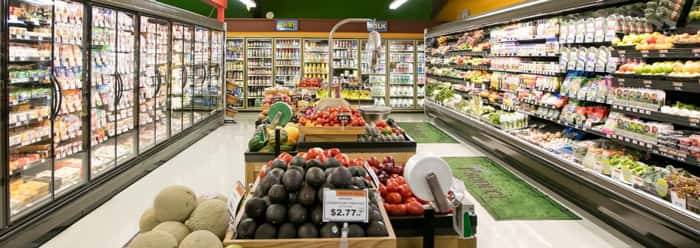
Source: Canva
Consumer behavior appears to be shifting towards a trend of decreased food purchases, according to Sean Connolly, CEO of Conagra Brands Inc.
In a conference call, Connolly explained that as food companies increase prices to keep up with inflation, dollar sales are decreasing as expected. However, the anticipated increase in volume to counterbalance these losses is not materializing, suggesting a broad-based change in consumer behavior.
This new trend doesn't represent a transition to lower-priced alternatives within the same categories. Instead, it's an overall decrease across various food categories and among different competitors. This shift has been evident since shortly after the Easter period.

Source: Canva
The insights offered by Connolly echo similar concerns from other leaders in the consumer staples industry. This paints a picture that counters the economic renaissance narrative propagated by the Biden administration, dubbed 'Bidenomics'.
Other major players like General Mills, the maker of Cheerios, and multinational corporation Walgreens Boots Alliance, have also expressed concerns about a weakening consumer market.
Chadwick Chilcot, Senior Wealth Advisor at Wilmington Trust, notes that these observations align with the ongoing narrative of disinflation. Consumers are faced with an economically challenging environment, characterized by two years of negative real wage growth.
Source: Canva
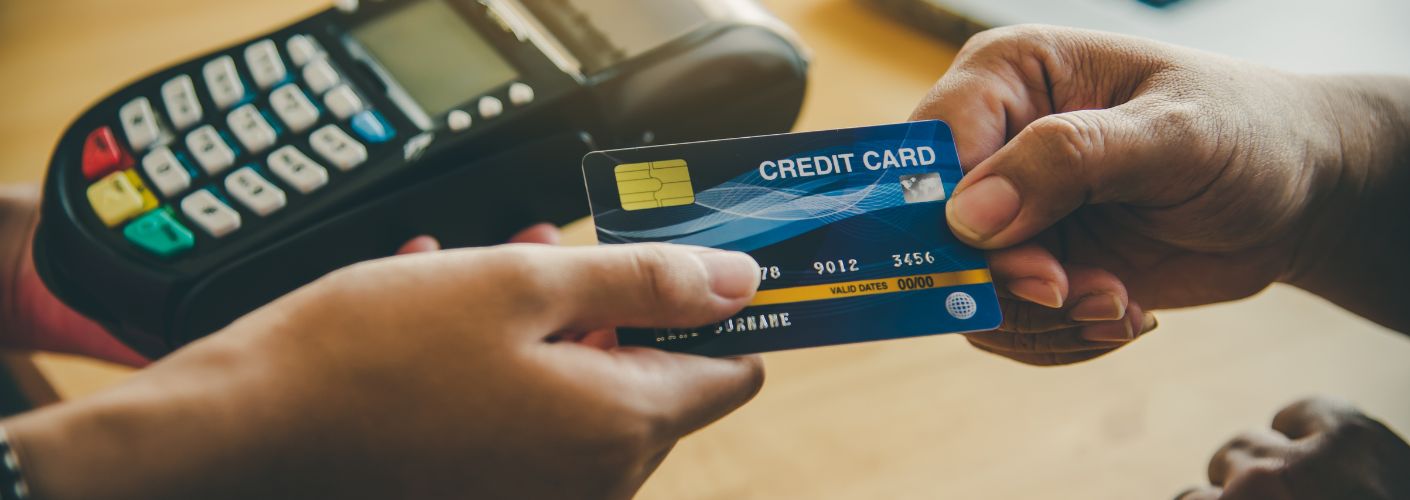
Consequently, many have been forced to utilize personal savings and accrue significant credit card debt in an era of high-interest rates. As a result, there's a growing fear of a potential balance sheet recession, as consumers redirect their income toward debt servicing payments.
Data from the Federal Reserve in May showcases a considerable slowdown in consumer credit. With the continued economic impact of inflation, consumers are seeking cheaper alternatives, leading to increased patronage of discount stores like Dollar Tree.
Searches for pawn shops are on the rise, suggesting that consumers are turning to pawning items, like gold, for quick loans. There is also a reported decrease in the purchases of everyday essentials like toilet paper and toothpaste.
Analysts from leading multinational food, beverage, and snack companies in the U.S. express concerns over the impact of ending emergency food assistance programs on consumer spending. There is also worry that consumers might cut back even more on spending when student loan repayments resume in September.
Could the Reduction in Food Purchases by Consumers Signal an Upcoming Economic Downturn?