View Charts
GOLD, SILVER, AND BITCOIN PRICES, DAILY MARKET NEWS. JULY 2023.
 0
0Austrian Industries Forecast Impending Recession
July 31, 2023

Source: Canva
The Federation of Austrian Industries has issued a stark warning to Austrian businesses: prepare for a recession.
This was the somber prediction given at a recent press conference, where the federation indicated a forecast of a prolonged period of economic stagnation. Austrian industries are now preparing for a potentially challenging winter half-year, from October through March.
Secretary-General of the federation, Christoph Neumayer, voiced concerns about the looming economic slowdown. He further advised that it is prudent for industries to brace for the upcoming recession.
To navigate through this predicted downturn, Neumayer suggested implementing targeted measures aimed at attracting private-sector investments. This strategy mirrors the approach adopted by the Austrian government during the Covid-19 pandemic.
Christian Helmenstein, the federation’s chief economist, echoed Neumayer's sentiments. Helmenstein warned of gloomy economic indicators and predicted an initial deterioration before the situation could potentially improve by next spring.
These grim predictions were presented in tandem with the results of a survey carried out among more than 430 companies. The purpose of the survey was to take the pulse of the current business environment and to estimate future expectations.
The results of the survey painted a worrying picture. The economic barometer, an indicator calculated as a weighted average of positive and negative assessments of the current business situation and its future development in the next six months, dropped to zero points, compared to its previous value of +10.7.
Last year, Austria and the European Union were already grappling with an economic crisis due to a dramatic rise in energy prices and the economic consequences of the Western sanctions against Russia. These recent warnings indicate that the road to recovery might be longer and more challenging than previously anticipated.
The predictions of the Federation of Austrian Industries send a clear message: Austrian businesses must prepare for a rough winter. It remains to be seen whether the measures proposed will be sufficient to mitigate the effects of the recession and foster economic growth by spring.
Today in precious metals, gold prices grew 0.56% to $1,970.21 per ounce. Silver jumped 1.91% to $24.80 per ounce. Platinum increased by 2.54% to $958.17 per ounce, while Palladium spiked by 2.85% to $1,279.80 per ounce. Bitcoin rose 0.07% to $29,244.00.
What impact could the predicted recession have on Austrian businesses and how might the targeted measures to attract private-sector investment influence economic recovery by next spring?
Fed's Key Inflation Indicator Reveals Cooling Trend
July 28, 2023

Source: Canva
June saw further signs of cooling inflation, as reported by a Federal Reserve closely monitored gauge. The Commerce Department announced that the personal consumption expenditures (PCE) price index, excluding food and energy, increased by only 0.2% from the previous month, aligning with the Dow Jones estimate.
Core PCE experienced a yearly increase of 4.1%, just shy of the projected 4.2%. This annual rate, the lowest since September 2021, showed a decline from May's pace of 4.6%. The PCE inflation, including food and energy costs, also rose by 0.2% monthly and 3% annually. This yearly rate, the lowest since March 2021, demonstrated a decrease from May's 3.8%.
For the month, goods prices saw a decrease of 0.1%, while services experienced a 0.3% increase. Food prices dropped by 0.1%, while energy rose by 0.6%. These reports resulted in a positive market response, as stock market futures pointed to higher values and Treasury yields lowered.
The releases provided a confirmation of the prevailing market narrative of cooling inflation and continued economic growth, suggesting a positive environment for risk assets. The inflation data provides relief to the Fed and investors, indicating that inflation threats are reducing. This could potentially allow for a halt in future interest rate hikes.
Recent data releases are in line with other indicators showing that prices have started to ease compared to the steep inflation observed a year ago. The consumer price index and consumer expectations are showing a slower increase in inflation, aligning with long-term trends.
The PCE index is closely followed by Fed officials as it reflects changing consumer behavior and offers an alternative view of price trends compared to the widely referenced CPI.
In tandem with the inflation data, the Commerce Department reported that personal income rose by 0.3%, and spending increased by 0.5%. These figures were slightly below expectations for income but matched predictions for spending.
The report was released just after the Fed announced a quarter-percentage point interest rate hike, marking the 11th hike since March 2022 and the first since June's meeting was skipped. This action pushed the central bank's key borrowing rate to a target range of 5.25%-5.5%, the highest in over 22 years.
The Fed Chairman stressed that future decisions on rate movements would rely on incoming data, not predetermined policy courses. Despite the recent positive trends, central bank officials generally believe that inflation remains high and want to see multiple months of strong data before changing direction.
Another important Fed indicator reported that compensation costs rose by a seasonally adjusted 1% annually during the second quarter. This figure for the employment cost index was slightly below the projected 1.1%.
Today in precious metals, gold prices grew 0.68% to $1,958.90 per ounce. Silver jumped 0.80% to $24.30 per ounce. Platinum decreased by 0.32% to $932.51 per ounce, while Palladium spiked by 0.29% to $1,243.07 per ounce. Bitcoin rose 0.07% to $29,244.00.
What potential impact could the recent cooling trend in inflation, as indicated by the Fed's key inflation rate, have on future economic policy decisions and the overall health of the U.S. economy?
ECB Escalates Interest Rates to Multi-Year Highs Amid Persistent Inflation
July 27, 2023

Source: Canva
In an ongoing response to the persistent high inflation troubling the Eurozone, the European Central Bank (ECB) has raised interest rates for the ninth consecutive time. This latest increment, a quarter percentage point, has escalated the primary rate of the ECB to 3.75%, a level not seen since 2000. The central bank has now set the main refinancing rate at 4.25%.
The move reflects the ECB's commitment to counter inflation, which continues to decline yet remains stubbornly high for extended periods. To achieve a timely return to the 2% medium-term inflation target, the central bank stated that it will maintain key ECB interest rates at levels restrictive enough for as long as necessary.
High inflation continues to be a sticking point in the Eurozone. Inflation rates have reduced since hitting a peak of 10.6% in October 2022 but remain well above the ECB's 2% target. In June, the inflation rate dropped to 5.5% from 6.1% in May, prompting economists to anticipate further rate hikes.
ECB President, Christine Lagarde, assured that the central bank's approach to upcoming decisions is open-minded. In her view, the ECB might either increase rates or hold steady in September. However, a rate cut is off the table.
The region's economic health seems precarious as data on business activity in the Eurozone showed a decline in the area's largest economies, Germany and France. According to analysts at ING Germany, this trend heightens the chances of a recession in the single currency area this year. The ECB now faces the challenge of striking a balance between managing high inflation and preventing an economic downturn.
Today in precious metals, gold prices fell 1.36% to $1,944.32 per ounce. Silver dipped 2.80% to $24.20 per ounce. Platinum decreased by 2.71% to $935.00 per ounce, while Palladium dropped by 0.51% to $1,246.07 per ounce. Bitcoin sunk 0.24% to $29,281.00.
What could be the potential economic outcomes in the Eurozone following the ECB's decision to raise interest rates to multi-year highs?
Yuan Overtakes Dollar in China's Cross-Border Trade
July 26, 2023

Source: Canva
China's yuan, or renminbi, has achieved a significant milestone by surpassing the US dollar as the primary currency for cross-border transactions from April to June, according to a report by Nikkei. This development, based on data from the Chinese State Administration of Foreign Exchange, indicates a fundamental shift in China's economic landscape, catalyzed by an expanding capital market and increased trade activities with Russia.
The Ascendancy of the Yuan
The report revealed that the yuan accounted for 49% of China's cross-border transactions in the second quarter of the year, exceeding the dollar for the first time. Payments made in yuan increased by 11% year on year to $1.51 trillion, while dollar payments saw a decline of 14% to $1.4 trillion.
In 2022, cross-border transactions in the Chinese currency amounted to 42.1 trillion yuan ($5.85 trillion), with capital transactions representing over $4 trillion or approximately 75%. The remaining transactions comprised trade and other current-account transfers.
China's Deliberate Move Towards Yuan Globalization
Although the yuan's share of global settlements remains comparatively low, it has been progressively increasing over the past few years due to Beijing's concerted efforts to promote its national currency. The Chinese government began permitting trade payments to be settled in yuan in 2009, encompassing settlements for freight, services, and current account and capital transfers.
The acceleration of China's efforts to reduce the dollar's dominance in international trade has occurred against the backdrop of extensive sanctions imposed by Western nations against Russia, a significant global energy producer, and exporter. Policymakers in India have also initiated steps towards pivoting from the dollar to the ruble and rupee for mutual trade with Russia.
Russia’s Role in Yuan Expansion
Russia has been ramping up its use of alternative currencies in transactions since last year. President Vladimir Putin has proposed the wider use of the Chinese yuan, not only for trade with China but also for Russia's transactions with countries in Africa and Latin America. Recent data from the Bank of Russia confirms that the yuan has become a substantial player in Russia's foreign trade.
Conclusion
In conclusion, the ascent of the yuan in China's cross-border transactions signifies a crucial turning point in international trade dynamics. While the full impact of this shift remains to be seen, it is clear that the landscape of global finance is undergoing a fundamental change, with the yuan gradually establishing itself as a key player in the global economy. This development has profound implications for financial markets, global trade practices, and geopolitical relations in the years to come.
Today in precious metals, gold prices grew 0.18% to $1,968.21 per ounce. Silver dipped 0.07% to $24.66 per ounce. Platinum decreased by 0.33% to $961.31 per ounce, while Palladium dropped by 2.41% to $1,251.92 per ounce. Bitcoin rose 0.17% to $29,274.00.
What potential outcomes could arise from the yuan surpassing the US dollar as the primary currency in China's cross-border transactions, and how might these changes affect global trade and geopolitical relations?
Digital Ruble Officially Authorized by President Putin
July 25, 2023

Source: Canva
In a significant step towards the future of digital transactions, Russian President Vladimir Putin has approved the creation of a national digital currency, the digital ruble.
With this move, Russia joins a growing list of countries embracing digital currencies in their financial ecosystems.
The law, signed by Putin on Monday, authorizes the issuance of the digital ruble alongside its physical counterpart.
Set to be operational from August 1st, the digital currency will provide an alternative transaction medium to the traditional ruble, both in its physical and non-cash forms.
The digital ruble will be stored in digital wallets managed by Russia's central bank. Its usage will include making transfers and payments, similar to traditional currency.
However, the new legislation doesn't permit the digital ruble to be used for opening a deposit, securing loans, or earning interest.
Additionally, changes were made to the Civil Code to allow the digital ruble to be bequeathed and inherited, offering the same legal treatment to the digital ruble as the physical currency.
The proposal for the digital ruble was initially made public by the Bank of Russia in late 2020. The digital ruble is set apart from cryptocurrencies such as Bitcoin in that it is issued by a state monetary regulator.
As such, it is backed by traditional money, a feature expected to minimize associated risks.
The digital ruble is a crucial part of Russia's strategy to streamline its economy in the digital era. By issuing a digital currency, the Bank of Russia aims to increase the efficiency of payments, reduce costs, and expand access to financial services.
While countries worldwide are studying the idea of national digital currencies, Russia's move to make the digital ruble a reality marks a notable advancement in digital finance.
As the world moves more towards digital transactions, the introduction of the digital ruble may serve as a blueprint for other countries considering similar measures.
This development underscores the growing global trend toward digitization and the ever-increasing role of technology in modern financial systems.
As more countries like Russia move towards digital currencies, the landscape of global finance continues to evolve rapidly.
Today in precious metals, gold prices rose 0.16% to $1,958.12 per ounce. Silver jumped 1.11% to $24.60 per ounce. Platinum increased by 0.21% to $960.00 per ounce, while Palladium grew by 0.04% to $1,276.50 per ounce. Bitcoin spiked 0.12% to $29,226.00.
What implications could the introduction of the digital ruble have on Russia's economy and global digital currency trends?
Monetary Policy Crossroads: Fed, ECB, and BoJ Set to Define Their Future Courses
July 24, 2023
Source: Canva
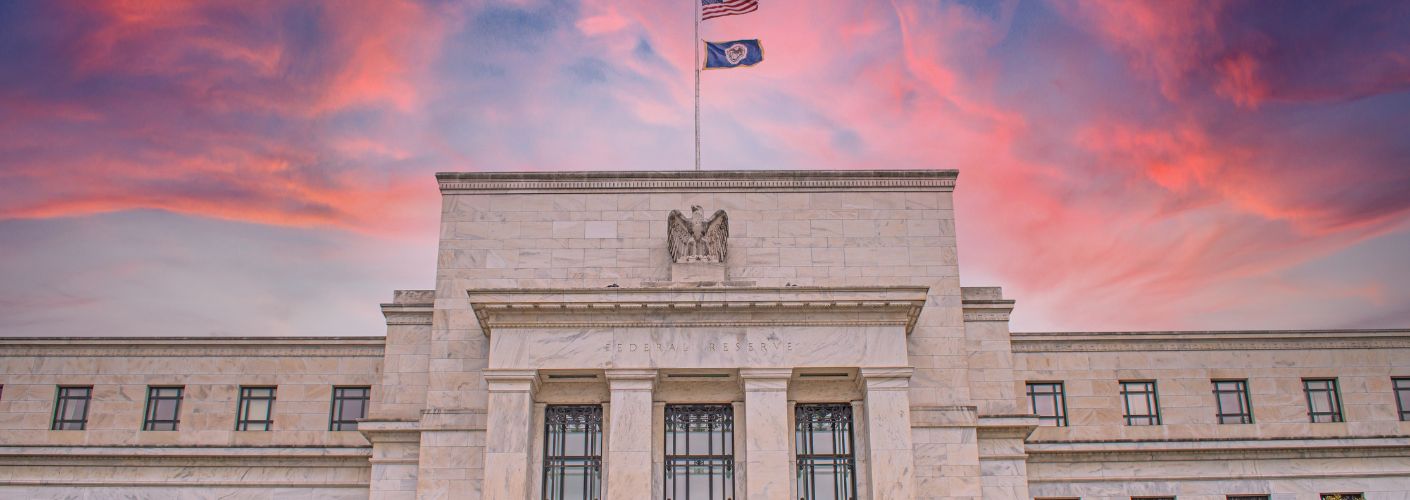
In a week deemed 'momentous' by Goldman Sachs strategist Michael Cahill, three key central banks - the U.S. Federal Reserve (Fed), the European Central Bank (ECB), and the Bank of Japan (BoJ) - are set to announce pivotal interest rate decisions.
The U.S. Federal Reserve
Having paused a run of 10 consecutive interest rate hikes last month, the Fed is expected to increase rates once again as a response to a still robust 4.8% core CPI rate, despite a drop in the overall consumer price inflation. This expected move could conclude a 16-month-long tightening period in the U.S. monetary policy, marking a potentially significant inflection point.
Experts suggest that the focus post-announcement will be on the guidance issued by the Fed. Most predict that the central bank will remain data-dependent and are unlikely to propose any rate cuts in the near term.
The European Central Bank
In the Eurozone, despite a drop in consumer price inflation to 5.5% in June, core inflation remained high, still vastly exceeding the 2% target set by the ECB. The central bank is expected to raise its main interest rate by 25 basis points, continuing its policy of consecutive hikes that began in July 2022.
Attention will be centered on the ECB’s forward guidance regarding the future of policy rates. Traders will be looking for signs of a bias toward tightening, neutrality, or a pause. However, a lack of explicit direction is anticipated.
The Bank of Japan
In contrast to the Western central banks' decisions, the Bank of Japan's quandary lies in when to commence the tightening of its monetary policy. Japan has seen strong first-quarter growth and inflation rates above the BoJ's 2% target for 15 consecutive months, prompting speculation about a possible shift in policy. However, the market is not expecting revisions in the upcoming announcement.
The divergence in the policy trajectories of these three key central banks exemplifies the divergent paths the world's leading economies are currently taking amid inflation pressures and post-pandemic recovery challenges.
As the markets prepare for a potentially momentous week, the impact of these decisions on the global economic outlook remains to be seen.
Today in precious metals, gold prices fell 0.01% to $1,960.70 per ounce. Silver dipped 0.90% to $24.36 per ounce. Platinum decreased by 0.57% to $955.50 per ounce, while Palladium grew by 0.44% to $1,292.68 per ounce. Bitcoin sank 3.58% to $29,009.00.
What potential outcomes could result from the upcoming key interest rate decisions by the U.S. Federal Reserve, the European Central Bank, and the Bank of Japan?
Stealth Maneuver: FedNow Accelerates U.S. Payments, Covertly Skirting CBDC Ties
July 21, 2023
Source: Canva
The U.S. Federal Reserve recently inaugurated its real-time payments service, FedNow, fundamentally transforming the pace of money transfers within the globe's preeminent economy.
Despite speculation suggesting that this move could either dampen the payment utility of cryptocurrencies or pave the way for a digital dollar, the central bank has adamantly distanced FedNow from any connection with Central Bank Digital Currencies (CBDCs).
Thursday's launch of FedNow included the participation of 35 banks and credit unions. Renowned financial institutions like JPMorgan Chase and Wells Fargo were among the early adopters. The Fed proposes that this service will revolutionize payment processing, facilitating just-in-time access to paychecks and invoices.
This advancement represents a significant departure from the traditional payment methods within the U.S. banking system, where transfers between entities could take anywhere from hours to days. With numerous countries globally already adopting instant payments, this shift by the U.S. is a critical catch-up step.
Fed Chair Jerome Powell attributed the creation of FedNow to the goal of making everyday payments faster and more convenient in the coming years. Curiously, this objective resonates with the aspirations of cryptocurrencies and blockchain technologies proponents - making money transfers easier.
This shared objective, however, could ignite increased friction between the conventional financial system and the emerging crypto space, particularly given the recent stringent actions taken by U.S. regulators against digital currencies.
FedNow has encountered criticism for its potential as a springboard for a future digital iteration of the U.S. dollar. In response, the Federal Reserve categorically dismissed such allegations in a July 10 FAQ, asserting that FedNow does not correlate with any prospective plans for a CBDC.
The FedNow Service is not a form of digital currency, the Fed maintained, echoing sentiments from Treasury officials like Janet Yellen who believe the U.S. should ponder a CBDC. The service neither represents any form of currency nor moves towards eliminating any payment form, including cash.
Operating 24/7, the new Fed service will continue to employ commercial banks as intermediaries. The system aims to facilitate payment processing in mere seconds, a standard already prevalent in various jurisdictions worldwide.
This speed is in stark contrast to the existing U.S. automated clearinghouse system offering same-day service or the lag of days or weeks experienced when cashing a check.
Fed officials, including Powell, have previously stated the necessity of a real-time payment network to evade reliance on private sector alternatives like Meta's (previously Facebook) now-abandoned stablecoin Diem (formerly Libra).
Some observers, buoyed by such assertions, view FedNow's development as a step towards a central bank digital currency, despite official rebuttals.
Today in precious metals, gold prices fell 0.41% to $1,961.17 per ounce. Silver dipped 0.33% to $24.64 per ounce. Platinum increased by 0.21% to $955.00 per ounce, while Palladium grew by 0.35% to $1,281.00 per ounce. Bitcoin spiked 0.12% to $29,842.00.
Could the introduction of FedNow potentially pave the way for the U.S. to adopt a central bank digital currency?
Housing Shortage Sends June Home Sales to 14-Year Low
July 20, 2023

Source: Canva
June witnessed a significant slowdown in home sales, hitting their slowest pace since 2009, due to a severe housing supply shortage. Sales of pre-owned homes saw a 3.3% decrease compared to May, recording a seasonally adjusted annualized rate of 4.16 million units, data from the National Association of Realtors (NAR) shows. This represents an 18.9% drop year-over-year.
The slump in the housing market is predominantly a result of a critical shortage in supply rather than a dip in demand. As of the end of June, only 1.08 million homes were available for sale, a figure 13.6% lower than in June 2022.
At the current sales pace, this number represents a supply period of 3.1 months, significantly short of the six-month supply deemed to provide a balanced market between buyers and sellers.
This imbalance has put sustained upward pressure on home prices. In June, the median price of an existing home sold was $410,200, the second-highest ever recorded by the NAR.
Despite falling sales, home prices remained firm across most of the country. This limited supply also led to multiple-offer scenarios, with about a third of homes selling above their list price.
Recovery in home sales appears unlikely in the short term, as high mortgage rates continue to pose affordability challenges. The NAR's June sales figures are based on closings, suggesting contracts were likely signed during April and May, a period when mortgage rates were around the mid-6% range. By the end of May, these rates surged to over 7%, where they remained throughout June, further exacerbating the slowdown in sales.
First-time buyers are finding the market particularly difficult, with their share of June sales falling to 26%, down from 30% in June 2022. This marks the lowest share since the NAR began tracking this metric.
Interestingly, the high-end market appears to be showing signs of recovery, with smaller declines in sales compared to the lower end. To compete in this market, an increasing number of buyers are resorting to all-cash transactions, which accounted for 26% of sales in June.
Although the existing home market is struggling, the newly built homes sector is enjoying a surge. The country's largest homebuilder, DR Horton, reported a considerable increase in new orders. The increased demand is attributed to the limited supply of new and existing affordable homes and favorable demographics.
Today in precious metals, gold prices fell 0.35% to $1,968.12 per ounce. Silver dipped 0.91% to $24.87 per ounce. Platinum decreased by 2.16% to $952.00 per ounce, while Palladium dropped by 2.22% to $1,277.50 per ounce. Bitcoin sunk 0.35% to $29,823.00.
What potential outcomes can we expect in the housing market if the supply shortage continues and high mortgage rates persist?
Sterling Slumps as UK Inflation Cools, Stripping it of G7 Top Spot
July 19, 2023
Source: Canva
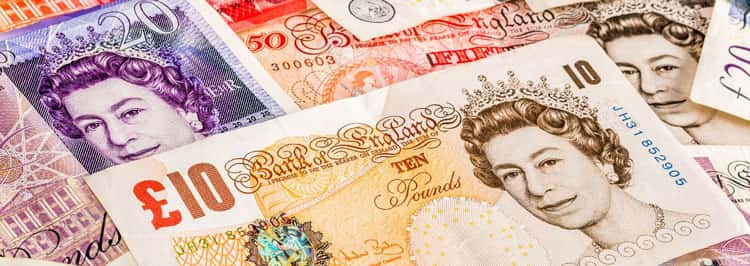
Britain's rampant inflation, which had been the driver behind the sterling's robust performance, is beginning to ease, causing the currency to stumble.
Until recently, the pound was the top-performing currency in the Group of Seven (G7) developed economies for this year. However, with the dip, the pound is now headed for its most substantial one-day fall against the dollar since March.
The decline in sterling mirrors the drop in British government bond yields, which sunk as prices spiked. Meanwhile, blue-chip stocks in London experienced an upward surge, predominantly led by homebuilders and landlords' shares that are sensitive to interest rates.
Market positioning data reveals that speculators have been betting bullish on the pound, the most valuable such bet since 2014. Given this, the currency's fall might not surprise some investors. However, June's inflation data, showing a slowdown to 7.9% from May's 8.7% rate, lower than the predicted 8.2%, might prompt more traders to book profits.
Following the slowdown in inflation, the possibility of the Bank of England's (BoE) base rate rising to above 6% seems highly unlikely. As a result, the sterling's appeal might wane, particularly against the dollar.
Despite the perception of the BoE lagging in the fight against inflation, investors have consistently expected UK rates to keep climbing, even after rates in countries such as the United States start to level off.
Even with rate peaks anticipated to be between 5.75-6.0%, as current market conditions suggest, UK investments would still yield higher returns compared to the United States. This is despite the projected rate increase to approximately 5.4% in the U.S.
Yet, the battle against inflation is not over. Both wage growth and services CPI inflation remain stronger than the BoE's forecast in May, and signs of a turning point in inflation are only tentative at this stage. Furthermore, interest rates will likely continue to grow.
Although the sterling has declined, the UK still has the highest inflation of the G7. By comparison, inflation rates stand at 3% in the United States and 5% in the Eurozone.
Lower energy prices have provided some relief to consumers and businesses, and another drop is expected in July when regulated household energy tariffs will fall.
However, rapidly rising mortgage rates and double-digit grocery inflation are exacerbating the cost-of-living crisis for British households.
Following the pound's post-inflation drop, the Swiss franc has taken the top spot, appreciating almost 8% against the dollar. In comparison, the pound has risen nearly 7% against the dollar this year.
This sudden downturn shows how quickly fortunes can change in financial markets. As inflation begins to cool, it may cause a sharp drop in the pound, necessitating preparedness and close monitoring of the economic landscape.
Today in precious metals, gold prices fell 0.14% to $1,976.14 per ounce. Silver jumped 0.26% to $25.12 per ounce. Platinum decreased by 0.60% to $975.23 per ounce, while Palladium dropped by 1.06% to $1,304.52 per ounce. Bitcoin sunk 0.16% to $29,896.00.
Could a renewed jump in inflation to new highs trigger another significant jump in the valuation of the Sterling?
Gold and Silver Hit Highs Amid Weak U.S. Sales Data
July 18, 2023
Source: Canva
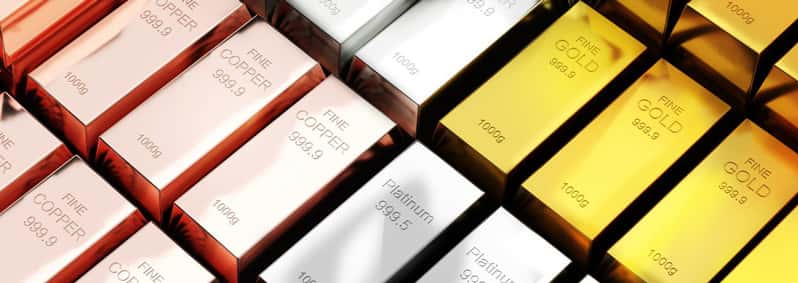
Gold and silver prices saw a dramatic upturn in midday U.S. trading on Tuesday, reaching new highs not seen in months. This substantial boost in the precious metals market has attracted a wave of speculators looking to capitalize on the recent bullish trend. The weaker-than-projected U.S. retail sales report further reinforced this inclination, fueling expectations that the Federal Reserve might slow down its interest-rate-increase cycle.
Gold prices were last noted to be up by $26.40, marking a price of $1,983.00, the highest in the past two and a half months. Silver followed suit, registering a nine-week high with an increase of $0.347 to reach $25.365.
June's U.S. retail sales reported a meager increase of 0.2%, falling short of the anticipated 0.5% rise. Coupled with the U.S. employment report for June released earlier this month, these indicators hint at a potential economic slowdown, creating a promising environment for metal demand without the threat of impending global recession.
A balanced global growth scenario like this could discourage major central banks from maintaining stringent monetary policies and hiking interest rates, which would otherwise dampen commodity demand.
In the international stock market, Asian and European indexes showed a mixed trend in overnight trading. However, U.S. stock indexes saw midday highs and set new records for the year, reflecting the current buoyant sentiment among traders and investors.
On the other hand, the U.S. dollar index was slightly up, with Nymex crude oil prices trading around $75.50 a barrel. The yield on the benchmark 10-year U.S. Treasury note was noted at 3.777%.
In terms of technical analysis, August gold futures prices reached a 2.5-month peak, giving the bulls an upper hand in the near-term technical landscape. The prices have been trending upward for three weeks on the daily bar chart. The bulls' next target is to breach the formidable resistance at $2,000.00, whereas the bears aim to push future prices below the robust technical support at the June low of $1,900.60.
September silver futures also registered a nine-week high, with the bulls holding a firm upper hand in the near-term technical scene. Silver prices have been trending upward for three weeks on the daily bar chart. The bulls are eyeing a closure above the robust technical resistance at the April high of $26.645.
Could the combination of weaker U.S. retail sales data and a potentially moderate pace of the Federal Reserve's interest rate increase further boost the upward trend in gold and silver prices?
Global Surge in Central Bank Digital Currencies by 2023
July 17, 2023

Source: Canva
The digital currency landscape is set for significant expansion, with projections of over 20 digital tokens regulated by central banks around the world by 2023. The Bank for International Settlements (BIS) unveiled these expectations following a survey, highlighting an increasing global trend towards central bank digital currencies (CBDCs).
A CBDC is essentially a digital form of a nation's traditional fiat currency, which is regulated by the central bank. They are usually classified into two types: retail, designed for daily transactions by individuals and businesses, and wholesale, intended for transactions between financial institutions.
The survey encompassed 86 central banks, with 79 revealing plans to explore the creation of a CBDC. More than half of these financial institutions are already engaged in substantial experimentation or are developing pilot versions of digital currencies.
The findings also suggest that most central banks see value in having both retail and wholesale CBDCs. According to BIS, by 2030, we can expect at least 15 retail and 9 wholesale CBDCs to be in public circulation worldwide.
Moreover, the survey indicates that an increasing number of banks are closer to issuing a CBDC within the next three years. As for wholesale digital currencies, this figure has risen to 16%, an increase from the previous year, whereas for retail CBDCs, it has grown from 15% to 18%.
Despite concerns raised by opponents of CBDCs, particularly regarding regulatory issues and transactional privacy, traditional financial institutions are demonstrating growing enthusiasm about entering the digital market.
The CEO of Quant, a technology partner on the Bank of England’s CBDC project, observed that central banks are becoming increasingly bullish on CBDCs.
He further suggested that a well-designed CBDC could serve as a significant catalyst for innovation, enabling businesses and consumers to automate complex processes and introduce logic into money.
As it currently stands, four central banks – The Bahamas, the Eastern Caribbean, Jamaica, and Nigeria – have already issued a retail CBDC, according to BIS. Therefore, it appears that the global financial landscape is on the verge of a considerable shift as central banks around the world increasingly embrace digital currencies.
Today in precious metals, gold prices fell 0.35% to $1,948.17 per ounce. Silver dipped 0.63% to $24.76 per ounce. Platinum decreased by 0.46% to $968.00 per ounce, while Palladium grew by 1.12% to $1,283.30 per ounce. Bitcoin spiked 0.12% to $30,289.00.
What impact could the widespread adoption of Central Bank Digital Currencies by 2023 have on the global financial system and traditional banking operations?
Gold Investors Drive BlackRock's Growing Interest in Cryptocurrencies
July 14, 2023
Source: Canva
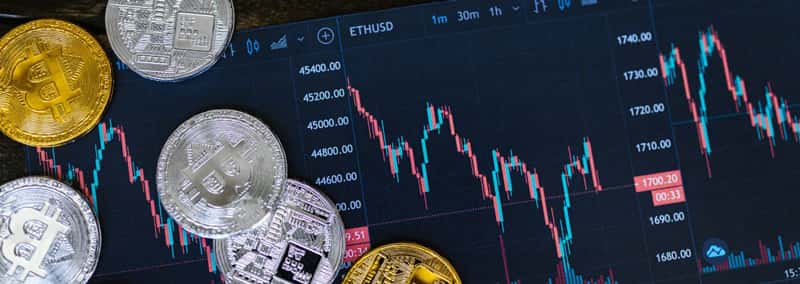
BlackRock's CEO, Larry Fink, is displaying an increasing interest in Bitcoin and the broader cryptocurrency market. This renewed enthusiasm comes on the heels of a recent court ruling deeming that XRP, the digital currency developed by Ripple, is not a security. Fink revealed during a post-earnings interview on CNBC's Squawk on the Street that over the past five years, the firm has seen a surge in gold investors diversifying into digital assets.
Fink also emphasized the significant role that exchange-traded funds (ETFs) have played in democratizing access to gold and expressed optimism that a similar trend could occur within the cryptocurrency sector.
Though restricted from discussing Bitcoin explicitly due to BlackRock's pending application for a spot Bitcoin ETF, Fink alluded to the potential in the sector using the term 'crypto'. He pointed to the fluctuating value of the US dollar and suggested that an international crypto product could provide an effective hedge.
In June, BlackRock, the world's largest asset manager, reinvigorated the cryptocurrency market by applying for a spot Bitcoin ETF with the U.S. Securities and Exchange Commission (SEC). The company's decision to partner with Coinbase for the ETF's surveillance sharing agreement (SSA) is considered by many industry experts to be the final piece necessary for the SEC to approve a spot Bitcoin ETF.
Ensuring safety and security in new markets is a top priority for BlackRock, especially when the firm's name is associated with the product. The company is working diligently with regulators to ensure that any new crypto offering is secure and protected.
BlackRock's venture into crypto aligns with the firm's broader mission of democratizing investing and creating easy-to-use, affordable investment products. Cryptocurrencies, with their global reach and diverse market, could add a new dimension to investor portfolios. This diversity could prove valuable in providing a buffer against potential future global recessions.
BlackRock's Q2 results revealed adjusted earnings per share of $9.28 on revenue of $4.46 billion. The firm now manages more than $9 trillion in assets.
Today in precious metals, gold prices fell 0.02% to $1,959.77 per ounce. Silver jumped 0.65% to $24.94 per ounce. Platinum decreased by 0.01% to $972.50 per ounce, while Palladium dropped by 1.82% to $1,270.00 per ounce. Bitcoin sunk 1.81% to $30,902.00.
What potential impact could BlackRock's entry into the cryptocurrency market have on the overall acceptance and growth of digital assets, particularly in relation to the interest shown by traditional gold investors?
June's Wholesale Prices Exhibit Modest Rise, Hinting at Easing Inflation
July 13, 2023
Source: Canva
The latest economic figures from the Labor Department suggest inflationary pressures in the United States may be beginning to soften. As per the report released on Thursday, the Producer Price Index (PPI) for June displayed a smaller increase than anticipated, fueling optimism about a stabilizing economy.
The June PPI, which measures the average changes in prices received by domestic producers for their output, saw a modest rise of 0.1%. This increase fell short of the 0.2% gain economists had predicted in a survey conducted by Dow Jones.
When food, energy, and trade services—frequently volatile components—are excluded from the calculations, the PPI showed the same 0.1% uptick, aligning with expert expectations.
The updated producer prices data arrived on the heels of a report on the Consumer Price Index (CPI) for June. Released a day prior, it also indicated a smaller-than-projected increase.
The CPI, a key measure of inflation reflecting the yearly change in prices paid by consumers, rose by a mere 3%. This is the lowest level recorded since March 2021 and further strengthens the hypothesis that the Federal Reserve may be approaching the conclusion of its rate-hiking cycle.
Interestingly, the data for wholesale producer numbers have shown a faster deceleration compared to consumer inflation statistics. In May, the headline PPI number surprisingly dipped by 0.4%, remaining unaltered when excluding food, energy, and trade services.
This convergence of economic indicators offers an encouraging perspective on inflation.
The smaller-than-expected increases in both PPI and CPI could imply the inflationary pressures resulting from the rapid economic recovery post-pandemic are beginning to subside. Investors and policymakers alike will be keenly watching future reports to confirm this trend and adjust their strategies accordingly.
Today in precious metals, gold prices rose 0.27% to $1,961.60 per ounce. Silver jumped 2.64% to $24.72 per ounce. Platinum increased by 2.69% to $971.50 per ounce, while Palladium spiked by 0.04% to $1,282.50 per ounce. Bitcoin grew 0.59% to $30,562.00.
Could these recent indicators of slowing inflation signal an end to the Federal Reserve's rate-hiking cycle and usher in a period of more stable economic growth in the United States?
Elon Musk's New AI Venture, xAI, Aims to Decode the Universe
July 12, 2023

Source: Canva
Elon Musk's latest endeavor, an AI company named xAI, has officially launched, revealing its mission, team, and website at https://x.ai/. According to the company's mission statement, xAI aspires to "understand the true nature of the universe."
The venture is backed by an elite team of AI experts who have served at some of the industry's most influential organizations, including OpenAI, Google Research, Microsoft Research, and DeepMind. Alongside Musk, the team boasts of prominent names such as Igor Babuschkin, Manuel Kroiss, Yuhuai (Tony) Wu, Christian Szegedy, Jimmy Ba, Toby Pohlen, Ross Nordeen, Kyle Kosic, Greg Yang, Guodong Zhang, and Zihang Dai. The xAI team receives advisory support from Dan Hendrycks, a leading researcher and head of the Center for AI Safety.
xAI's introduction to the world comes after whispers about the company began in April, when filings indicated that Musk had established the company in Nevada. Jared Birchall, the director of Musk's family office, was listed as its secretary. Reports around the time suggested that Musk had solicited funding from SpaceX and Tesla to support the fledgling company.
Though the company is autonomous, the website indicates that xAI "will work closely with X (Twitter), Tesla, and other companies." Musk, who has recently limited his Twitter usage citing AI startups' scraping for large language model (LLM) data, is no stranger to the AI field. He co-founded OpenAI in 2015, but departed in 2018 to avoid a potential conflict of interest with Tesla's extensive AI work.
The xAI team has announced a Twitter Spaces discussion to be held on July 14th, offering a chance for enthusiasts and inquisitors to meet the team and pose questions. No specific time for the event has been stated.
As Musk has openly criticized OpenAI in the past and revealed plans for a project named "TruthGPT", the formation of xAI marks his re-entry into the AI field on his terms. The goal of xAI is ambitious, but with a team of such caliber and Musk's proven track record, xAI promises to usher in a new era of understanding the universe through the lens of artificial intelligence.
Putin Raises Concerns About US Banking System Amid Global Turbulence
July 12, 2023

Source: Canva
Russian President Vladimir Putin has raised concerns about increasing negative trends in the American financial sector. These concerns were voiced during a meeting with Andrey Kostin, the CEO of Russia’s second-largest bank, VTB. According to Putin, the rising global instability in the banking sector highlights the importance of increasing the sovereignty and independence of Russia's banking industry.
Kostin reassured Putin about the stability of Russia's banking sector, in spite of the anti-Russia sanctions imposed by Western countries. Kostin argued that these sanctions have inadvertently led to an enhancement of Russia's economic sovereignty in the financial field.
The focus of the discussion was the ongoing financial and banking crisis in the United States, described by Kostin as one of the most significant since 2008. The repercussions of this crisis are already being felt in Europe. Kostin further stated that the sanctions against Russia have had unintended negative consequences for the global economy.
According to Kostin, the sanctions have resulted in a dismantling of the global trade system and a surge in inflation. Efforts to solve these problems using standard methods have resulted in a devaluation of bank assets.
Despite acknowledging losses last year due to property confiscations, Kostin maintained a positive outlook for the Russian banking sector, insisting that it remains secure and will not face significant challenges.
Putin agreed with Kostin's perspective, emphasizing the need to increase economic independence and sovereignty considering the worsening trends in the US banking system. Putin has previously stressed economic sovereignty as a key priority for Russia, cautioning that Western sanctions could backfire. He has asserted that Russia's economy is successfully withstanding these external pressures.
Today in precious metals, gold prices rose 1.23% to $1,955.88 per ounce. Silver jumped 4.11% to $24.06 per ounce. Platinum increased by 2.54% to $947.00 per ounce, while Palladium grew by 2.48% to $1,281.00 per ounce. Bitcoin fell 0.36% to $30,488.00.
What could be the potential ramifications on the global economy if the perceived negative trends in the US banking system continue to escalate?
Unprecedented Inflation Pressures Force American Consumers to Downscale Personal Hygiene Products
July 11, 2023
Source: Canva
American consumers, strained by consecutive years of negative real wage growth, dwindling personal savings, and skyrocketing credit card debt, are being forced to cut back on personal hygiene products, indicating a significant downturn in the seemingly 'robust' consumer environment fostered by the economic policies of the Biden administration, or 'Bidenomics.' This situation has emerged amidst an inflationary storm that appears to be a once-in-a-generation event.
Information gathered from the National Index of Quantity (NIQ), a retail sales tracking entity, indicates a noticeable decrease in consumer spending on personal hygiene essentials such as toilet paper, toothpaste, and laundry detergent. The data shows that sales of these items dropped by 3% to 4% over the 52 weeks leading up to June 24th.
Morningstar analyst Erin Lash, in an interview with Bloomberg, outlined some of the issues exacerbating consumer strain. Lash points out factors such as the downsizing of food assistance programs, decreased tax returns, and the cessation of stimulus checks as significant contributors to declining consumer spending.
Further compounding the issue is the reality of inflation outpacing wage growth over the past two years, which has driven many households to deplete their savings and accrue enormous amounts of credit card debt, despite a high-interest-rate environment.
An illustrative example of this trend is Hollie Ernst, a 48-year-old single mother of two from Oak Park, Illinois. In a bid to stretch her resources, Ernst has opted for cheaper, generic toothpaste brands over traditional name brands. She's also discontinued the purchase of Aveeno lotion due to its high cost, choosing to use Vaseline instead.
She pointed out that her financial capability isn't as extensive as before, despite her efforts to reduce her supermarket expenses. Ernst still relies on her credit card to maintain her family's lifestyle.
While the Biden administration continues