View Charts
A Father’s Gift That Teaches the Value of Money
 0
0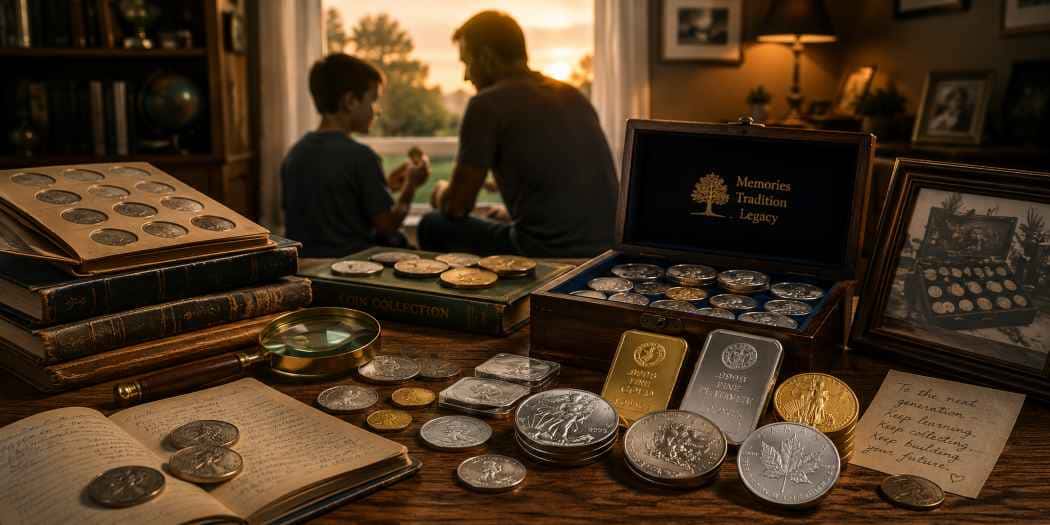
How Fathers and Grandfathers Inspire a Love of Coin Collecting
For many collectors and precious metals investors, the journey did not begin with a market report, a gold chart, or a financial advisor. It began with a father pulling an old coin from a drawer, a grandfather sharing a silver dollar from his collection, or a family member explaining why certain coins were worth saving while others were spent.
As precious metals continue attracting attention amid inflation concerns, economic uncertainty, and rising interest in tangible assets, it is worth remembering how many collecting journeys start. Long before someone buys their first gold coin or tracks the silver price, they often learn an even more important lesson: that money has history, value, and meaning beyond what appears on a screen.
Father’s Day provides an opportunity to reflect on those lessons and the role that parents and grandparents have played in passing them from one generation to the next.
The First Coin Often Matters More Than Its Value
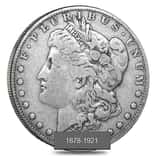
Ask experienced collectors how they became interested in coins, and many can point to a specific memory. It might have been a Buffalo Nickel found in pocket change, a Mercury Dime handed down from a grandparent, or a Morgan Silver Dollar received as a gift on a birthday or holiday. In most cases, the coin itself was not especially valuable at the time. What made it memorable was the person who shared it.
That first coin often represents something larger than metal content or collector value. It represents curiosity. Someone took the time to explain a date, a mint mark, a historical event, or the reason a silver coin felt heavier than modern pocket change. Those conversations frequently become the foundation of a lifelong hobby.
Unlike many interests that come and go, coin collecting has a unique ability to connect generations through tangible objects. A coin minted decades ago can still be held, examined, and appreciated today, creating a direct link between past and present.
Learning About Money Through Something You Can Hold
One reason coin collecting remains such a powerful educational tool is that it makes financial concepts tangible. Children can see and feel the difference between common currency and precious metals. They can learn that some objects have value because of scarcity, metal content, historical significance, or collector demand.
Those lessons often lead to broader discussions about saving, investing, and financial responsibility. A child who learns why a silver coin is different from a modern clad coin begins to understand concepts such as purchasing power, inflation, and long-term value preservation.
Precious metals add another layer to that education. Gold, silver, platinum, and palladium have served as stores of value for centuries. Their enduring role in the global economy helps illustrate why certain assets maintain importance across generations and changing financial systems.
For many families, collecting becomes one of the first ways children are introduced to the idea that wealth is not simply earned and spent. It can also be saved, preserved, and passed forward.
A Shared Hobby That Builds Lasting Memories
Coin collecting differs from many modern hobbies because it naturally encourages shared experiences. Parents and children can search through old collections together, attend coin shows, visit local shops, research historical coins, or learn about precious metals markets as a team.
The activity itself often becomes secondary to the time spent together. A child may not remember every coin purchased or every set completed, but they frequently remember the conversations, stories, and discoveries that accompanied them.
These shared experiences help explain why collecting remains relevant in a digital world. While many hobbies now exist primarily online, coins and bullion remain physical objects that invite hands-on learning. They encourage patience, observation, and appreciation for history in ways that few modern collectibles can replicate.
The hobby becomes more than collecting metal. It becomes collecting memories.
Why Precious Metals Feel Different From Ordinary Gifts
Many childhood gifts are loved intensely for a season and then quietly disappear. Toys break, pieces go missing, interests change, and once-favorite items are eventually outgrown or forgotten. Precious metals occupy a different category because they are not designed for temporary use. They are meant to be kept, revisited, and understood more deeply over time.
A silver coin can commemorate a special occasion while also introducing a child to collecting, saving, and the idea that money can hold value beyond its face amount. A gold coin can become both a keepsake and a long-term asset. Even a modest bullion purchase can open the door to conversations about history, scarcity, inflation, and financial responsibility.
Unlike ordinary gifts that often lose relevance, precious metals can gain meaning as years pass. A coin received from a father or grandfather may begin as a simple present, but later become a reminder of a lesson, a relationship, and a shared family tradition.
That permanence is part of the appeal. While market values may fluctuate, the personal significance attached to a gifted coin or bar often grows stronger with time.
When Collections Become Family Legacies
Many collectors eventually discover that the most meaningful pieces in their collection are not necessarily the most valuable. A common-date silver dollar inherited from a grandfather may carry more emotional significance than a rare coin purchased at auction.
This emotional connection helps explain why collections are frequently passed from one generation to the next. Along with the coins themselves come stories about where they came from, why they were purchased, and what they represented to the previous owner.
In many cases, a collection becomes a family archive. Each coin serves as a marker of personal history, preserving memories alongside financial value.
Precious metals often play a special role in this process because they combine historical significance with intrinsic worth. Whether markets rise or fall, physical precious metals remain tangible assets that can be preserved and transferred across generations.
Bullion and Collectible Coins Offer Different Paths Forward
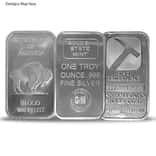
Families introducing younger collectors to the hobby have more options today than ever before. Some prefer bullion products because they offer direct exposure to precious metals and closely track spot prices. Others are drawn to collectible coins that showcase artistry, historical themes, or limited mintages.
Bullion coins such as American Eagles, Canadian Maple Leafs, and other government-issued products allow new collectors to learn about precious metals while building a foundation in physical assets. Numismatic coins introduce concepts such as rarity, grading, condition, and historical importance.
Neither approach is inherently better. Both can inspire curiosity and create valuable educational experiences. What matters most is the connection created through the act of collecting itself.
The coin that sparks a lifelong interest is rarely chosen because it was the perfect investment. More often, it is remembered because of who gave it and the story attached to it.
In a Digital Age, Tangible Assets Still Leave Lasting Impressions
Modern finance increasingly exists in digital form. Transactions happen instantly, investments are tracked through apps, and wealth is often represented by numbers on a screen. While convenient, this environment can make it difficult for younger generations to develop a physical understanding of value.
Coins and precious metals provide that connection. They have weight, history, and permanence. They encourage people to think differently about money and ownership.
That tangible quality may be one reason precious metals continue attracting new buyers despite advances in digital finance. Physical assets create experiences that digital assets cannot fully replicate.
For families, those experiences often become teaching moments that last far longer than the initial purchase.
The Gift That Lasts Beyond Childhood
The most meaningful gifts are rarely measured by their price tags. They are measured by the memories they create and the lessons they leave behind.
For many collectors, a fascination with coins and precious metals can be traced back to a father, grandfather, or mentor who took the time to share something meaningful. That first coin may have been worth only a few dollars, but the curiosity it sparked became far more valuable.
Years later, collections grow, knowledge expands, and market conditions change. Yet the original lesson remains remarkably consistent: understanding money is about more than spending it. It is about appreciating value, preserving history, and passing knowledge to the next generation.
That may be why coin collecting continues to endure. At its heart, it is not simply a hobby. It is a tradition.