View Charts
24K Gold vs. 18K: Unveiling the True Difference
 1
1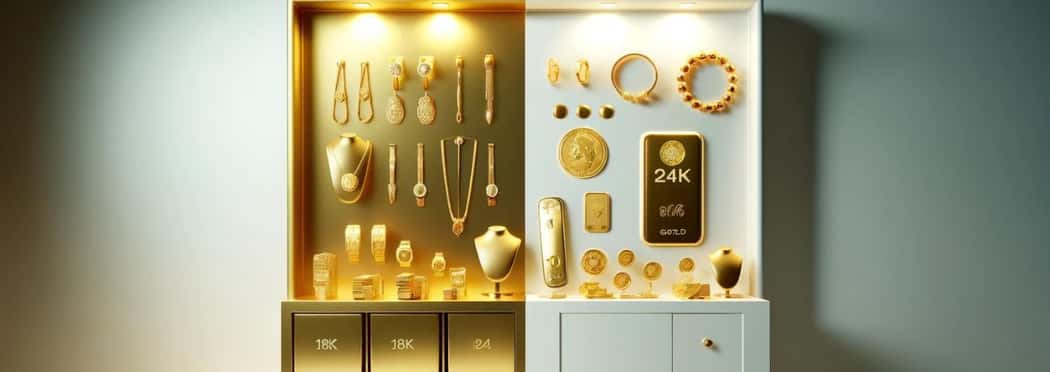
In the world of fine jewelry and precious metals, gold stands as a symbol of luxury, wealth, and timeless beauty. However, not all gold is created equal. The distinction between 24K and 18K gold is not just a matter of numerical value; it encompasses purity, color, durability, and suitability for different uses.
This comprehensive guide delves into the heart of the 24K gold vs.18K gold debate, helping you understand the real differences and make an educated choice for your next investment in gold.
Purity and Composition
24K Gold: The Epitome of Purity
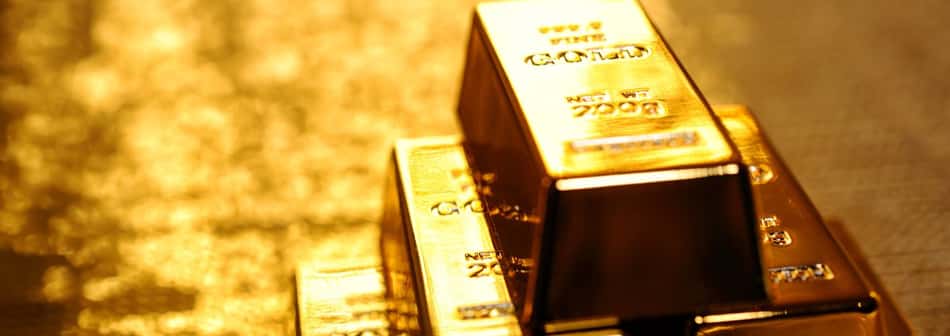
24K gold, known for its emblematic status in the realm of precious metals, represents gold at its zenith of purity. Comprising 99.9% gold, this unparalleled level of purity bestows upon it characteristics that are both aesthetically pleasing and highly sought after for investment purposes.
Unmatched Luster
The luster of 24K gold is incomparable. Its brilliance and shine are a direct result of its high gold content. Without the presence of other metals, 24K gold reflects light in a way that lesser purities cannot, giving it a glow that is instantly recognizable and deeply associated with wealth and luxury.
Softness and Malleability
One of the most distinctive physical properties of 24K gold is its softness. Gold, in its pure form, is surprisingly soft and malleable. This means it can be easily shaped and molded, allowing artisans to craft intricate and detailed designs that would be impossible with harder metals. However, this also means it is more susceptible to scratches, dents, and deformation, making it less suitable for jewelry that will be worn daily.
Purity as a Mark of Value
The purity of 24K gold is not just a measure of its gold content but a marker of its exclusivity and value. In cultures around the world, pure gold has been revered for centuries, not only for its beauty but also for its symbolism. It represents purity, eternity, and unchanging value, making it a popular choice for significant investments, ceremonial regalia, and as a form of wealth preservation.
Investment and Collectibility
For investors and collectors, 24K gold is the gold standard (pun intended). Its high purity makes it the preferred choice for bullion coins, bars, and other investment-grade gold. The value of 24K gold items is closely tied to the market price of gold, making them a hedge against inflation and currency devaluation. As such, it is often considered a "safe haven" in times of economic uncertainty.
The Most Precious and Expensive Form
Due to its purity and the processes required to refine gold to this level, 24K gold is the most expensive form of gold available on the market. Its price reflects not only the cost of the raw material but also the craftsmanship involved in working with such a soft, pliable metal. When purchasing 24K gold, you are buying nearly pure sunlight, captured and transformed over millennia, and refined by human skill into its most perfect metallic form.
18K Gold: The Practical Beauty
18K gold, with its 75% gold and 25% alloy composition, presents a harmonious balance that serves multiple purposes. This alloy not only maintains a significant portion of gold's inherent value and allure but also introduces the strength and color variability needed for a wide range of applications, from fine jewelry to everyday accessories.
Enhanced Durability
One of the key advantages of 18K gold over its purer counterpart is its enhanced durability. The addition of metals such as copper, silver, zinc, or nickel increases the hardness of the gold, making it more resistant to scratches, dents, and wear over time. This makes 18K gold an ideal choice for rings, bracelets, and other pieces of jewelry that are worn daily, as it can withstand the rigors of everyday life while maintaining its beauty.
Rich Color Palette
The alloying process of 18K gold does more than just strengthen it; it also allows for a color variation. By adjusting the proportions of the added metals, jewelers can create 18K gold in shades of yellow, white, and rose. Every shade presents its unique aesthetic charm:
- Yellow 18K gold retains the classic gold appearance but with a slightly more subtle hue than 24K gold.
- White 18K gold, achieved by adding metals like palladium or nickel, offers a sleek, modern look that appeals to those who prefer a silver-toned metal that retains gold's value.
- Rose 18K gold, with a higher copper content, provides a warm, pinkish hue, offering a unique and romantic appeal.
Practical Elegance
18K gold perfectly embodies practical elegance, making it an excellent choice for those who desire jewelry that marries the luxury of gold and can endure everyday wear. Its composition ensures that it can be worked into intricate designs that retain their shape and detail over time, making it a popular choice among jewelers and designers.
Accessibility and Value
While 18K gold is less expensive than 24K gold due to its lower gold content, it still holds significant value and is considered a premium material in the jewelry industry. This balance of cost and quality makes 18K gold accessible to a wider audience, allowing more people to own and enjoy gold jewelry.
It strikes an appealing balance for those looking to invest in quality jewelry without the premium price of pure gold, offering a blend of luxury and practicality that is hard to surpass.
Color and Aesthetic Appeal
24K Gold’s Vibrant Hue The pure gold content of 24K gold gives it a distinctive bright yellow color that is more intense than any other gold type. This vibrant hue is often associated with luxury and opulence but may not suit all tastes and styles.
18K Gold’s Versatile Palette The alloyed nature of 18K gold allows for a variety of colors, including yellow, white, and rose gold, depending on the metals used. This versatility makes 18K gold jewelry appealing to a broader audience, offering options that complement different skin tones and personal preferences.
Durability and Wearability
The Delicacy of 24K Gold: A Double-Edged Sword
24K gold, in its purest commercial form, is celebrated for its beauty and purity, holding a special place in the world of precious metals. However, this same purity that makes it so valuable also renders it delicate in ways that influence how and when it is used.
Softness and Malleability
The most distinguishing physical characteristic of 24K gold is its softness. Pure gold is one of the most malleable and ductile of all metals, a quality that allows it to be easily shaped, stretched, and manipulated without breaking.
This malleability is a boon for artisans looking to create intricate designs or work gold into various artistic forms. However, it also means that 24K gold is easily scratched, dented, or otherwise deformed, traits that are less than ideal for items like rings, bracelets, and necklaces that are subject to the bumps and knocks of daily wear.
Vulnerability to Daily Wear and Tear
Due to its vulnerability to physical damage, 24K gold is not typically used for jewelry intended for everyday use. The daily activities that hands are involved in can easily mar the surface of pure gold, leading to a loss of the aesthetic perfection that makes it so appealing. Over time, a piece of 24K gold jewelry worn daily might lose its shape, detracting from its beauty and potentially from its value as well.
Reserved for Special Uses
Because of its softness and susceptibility to damage, 24K gold is often reserved for special types of items:
- Investment pieces: Gold bars, coins, and bullion often are made from 24K gold. These items are typically stored rather than worn, allowing them to maintain their condition and, by extension, their value.
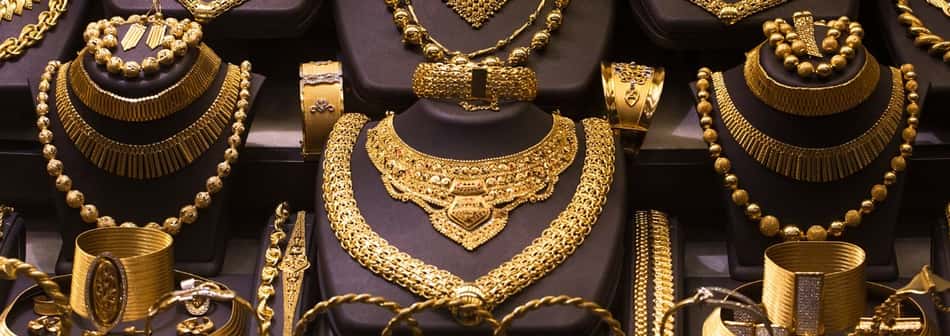
- Ceremonial wear: In many cultures, gold jewelry plays a significant role in wedding ceremonies and other important events. 24K gold is chosen for these occasions not only for its beauty but also as a symbol of purity and prosperity. Such items are worn selectively, preserving their condition over time.
- Artistic and decorative objects: The unparalleled workability of 24K gold makes it a favored material for crafting intricate artistic and decorative items, where its softness is not a detriment but a benefit.
The Beauty of Delicacy
Despite its practical limitations, the delicate nature of 24K gold contributes to its allure. Its warm, rich luster and the depth of its color are unmatched, making items crafted from it instantly recognizable and highly prized. The softness of 24K gold, while a challenge to work with, allows for the creation of pieces with unmatched beauty and intricacy.
The Alloy Advantage: Durability Meets Beauty
18K gold, with its 75% gold composition, is enriched with a blend of other metals such as copper, silver, nickel, and palladium. This strategic amalgamation does more than just influence the metal's hue; it significantly enhances its physical resilience. Here’s how this blend contributes to 18K gold’s enduring strength:
Increased Hardness
The addition of other metals to pure gold increases its hardness, making 18K gold considerably more resistant to scratching and denting compared to its purer counterparts. This hardness is crucial for jewelry expected to withstand daily exposure to environmental stressors, physical activity, and accidental impacts.
Maintaining Shape and Detail
The structural integrity provided by the alloyed metals ensures that 18K gold jewelry maintains its shape and intricate detailing over time. This is especially important for engagement rings and other fine jewelry that feature elaborate designs, as it ensures that these details remain sharp and defined, even with regular wear.
Versatility in Design
The strength of 18K gold allows jewelers more flexibility in creating slender, intricate designs that might not be feasible with softer, more malleable metals. This opens up a world of possibilities for custom and avant-garde jewelry designs, providing a perfect canvas for creativity without sacrificing durability.
Ideal for Everyday Luxury
18K gold’s blend of beauty and resilience makes it particularly suited for pieces like engagement rings and bracelets—items that symbolize lasting commitments and are worn as daily reminders of these bonds. Here’s why 18K gold stands out:
Engagement Rings
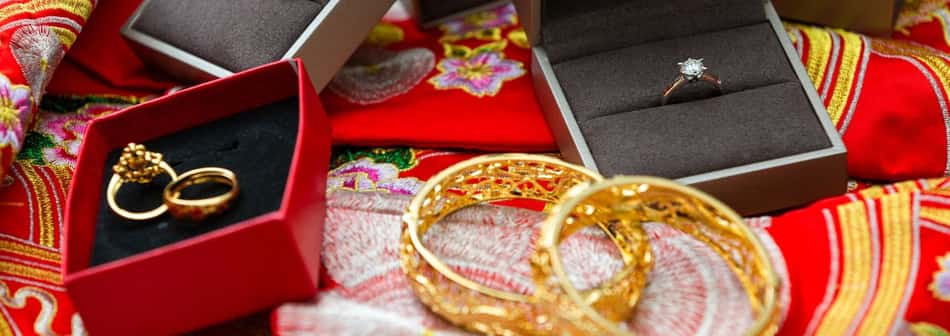
For many, an engagement ring is not just a piece of jewelry but a lifelong symbol of love and commitment. 18K gold, with its enduring strength, ensures that this symbol remains as beautiful and intact as the promise it represents. Its resistance to wear makes it an ideal choice for holding precious gemstones securely, providing peace of mind alongside unparalleled beauty.
Bracelets and Everyday Wear
Bracelets, by their very nature, are subject to a considerable amount of wear and tear. 18K gold bracelets offer the perfect blend of luxury and durability, capable of retaining their beauty through daily activities. Whether it’s a delicate chain or a more robust bangle, choosing 18K gold means opting for a piece that will endure the test of time.
A Balance Between Beauty and Resilience
18K gold represents a sweet spot in the world of precious metals, striking an ideal balance between the intrinsic value and aesthetic of gold and the practical necessities of daily wear and longevity. Its enduring strength makes it a wise choice for anyone looking to invest in fine jewelry that doesn’t just last a lifetime but maintains its allure and structural integrity throughout that time.
Price and Investment Value
24K Gold as an Investment Given its purity, 24K gold is highly sought after by investors. It retains value over time, making it a solid choice for those looking to invest in gold bars or coins.
18K Gold’s Accessible Luxury While still valuable, 18K gold is more accessible than 24K gold due to its lower gold content. It offers the luxury of gold jewelry at a more affordable price point, appealing to those seeking both beauty and value.
Making Your Choice: 24K or 18K Gold?
Deciding between 24K and 18K gold depends on your personal needs, preferences, and the purpose of the gold item. If you value purity and are looking at gold as an investment, 24K may be your gold of choice. On the other hand, if you're in the market for durable, everyday jewelry with a rich color palette, 18K gold will meet your needs beautifully.
Conclusion and Next Steps
Whether you lean towards the unadulterated splendor of 24K gold or the practical elegance of 18K gold, both options offer unique benefits and considerations. As you embark on your next gold purchase, remember that the true value lies not just in the metal's purity but in how it resonates with your style and purpose.
Explore our exquisite collection of 24K and 18K gold jewelry and find the perfect piece that speaks to your heart. Dive deeper into the world of gold and make an informed decision that brings you joy for years to come.
By: Michael Figueroa
More blog posts like this:
Which are the Top 10 Gold Coins to Buy for 2022?
How to Invest in Precious Metals?
Maximizing Retirement Security with Precious Metal IRA Investments
1 Comments