View Charts
1943 Steel Lincoln Wheat Cent: History, Errors, and How to Spot Fakes
 48
48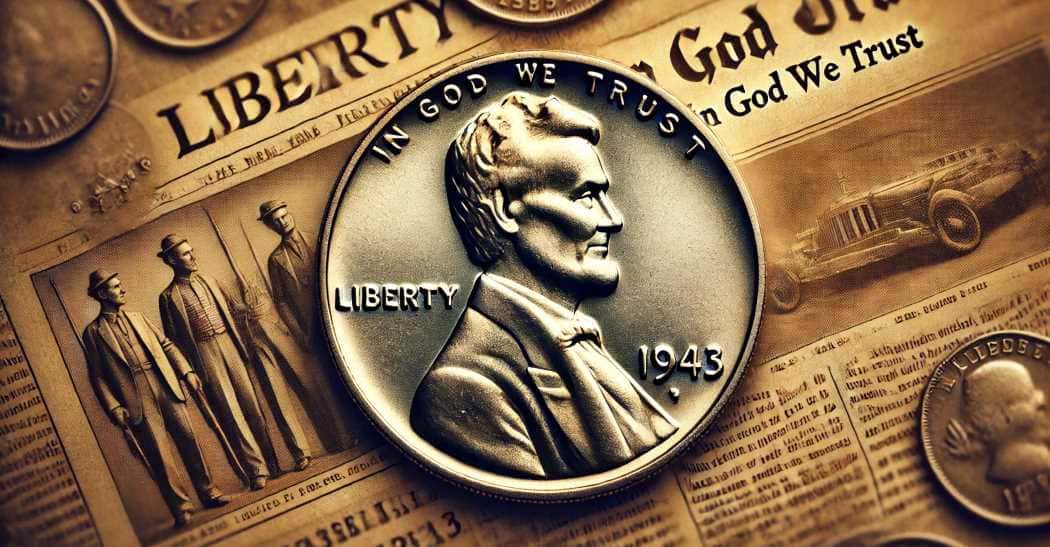
A Wartime Coin Born from Necessity and Innovation
The 1943 Steel Lincoln Wheat Cent stands as one of the most distinctive issues ever produced by the United States Mint. Created during the height of World War II, this one-year-only coin reflects a period when economic priorities were reshaped by global conflict. With copper urgently needed for military equipment and ammunition, the Mint made a historic decision to temporarily alter the composition of the cent. Instead of its traditional bronze alloy, the coin was struck from steel and coated with zinc. This unusual composition, combined with its limited production window, has made the 1943 steel cent a fascinating subject for collectors—especially given the emergence of rare error varieties and the widespread existence of counterfeits.
Why the U.S. Mint Switched to Steel in 1943
As wartime demand surged, copper became a critical resource for the U.S. military, prompting the government to redirect supplies away from civilian coinage. In response, the Mint adopted a zinc-coated steel planchet to continue producing one-cent coins without interrupting circulation. The resulting coins featured a bright, silvery appearance that set them apart immediately from earlier issues. However, this change introduced practical challenges. Over time, the protective zinc layer could wear down, leaving the steel beneath vulnerable to corrosion. Additionally, the coin’s color led to frequent confusion with dimes in everyday transactions.
While these drawbacks limited long-term viability, the steel cent fulfilled its intended role during a critical moment in U.S. history. By 1944, copper-based cents returned to production, marking the end of this brief but memorable experiment in American coinage.
Two Error Varieties: The Copper 1943 Cent and the 1944 Steel Cent
Two notable error varieties have emerged from the circumstances surrounding the 1943 steel cent, both of which are highly valued by collectors:
1943 Copper Cent Error
-
Some 1943 cents were mistakenly struck on leftover copper planchets from 1942. These extremely rare coins were unintentionally produced and quickly became one of the most famous error coins in U.S. history. Authentic 1943 copper cents are incredibly valuable, with some examples fetching six-figure sums at auction.
-
To check for authenticity, a real 1943 copper cent will not be magnetic, as copper is a non-magnetic metal, while steel is magnetic. Testing with a magnet is a quick way to determine if a suspected 1943 copper cent might be the real deal.
1944 Steel Cent Error
-
In 1944, the Mint resumed using copper planchets but inadvertently struck some cents on leftover steel planchets from 1943. Like the 1943 copper cent, the 1944 steel cent is also highly collectible due to its rarity. Collectors prize both errors as they represent anomalies from these unusual years in U.S. minting.
-
Authentic 1944 steel cents are magnetic, unlike standard copper cents of that year. Checking with a magnet can help determine if a 1944 cent is a rare steel error.
Warning: Copper-Plated 1943 Steel Cents
Unfortunately, counterfeit 1943 copper cents are common. Many ordinary 1943 steel cents have been copper-plated to resemble the rare copper errors. These copper-plated coins can fool the untrained eye but lack the characteristics of authentic 1943 copper cents.
To check if a 1943 cent is copper-plated steel:
-
Magnet Test: An authentic copper 1943 cent will not be magnetic, while a steel (even if copper-plated) cent will stick to a magnet.
-
Weight Check: Copper cents from this period should weigh approximately 3.11 grams, whereas steel cents weigh closer to 2.7 grams. A simple weight test can help reveal if a 1943 copper cent is real or plated steel.
Collecting the 1943 Steel Lincoln Wheat Cent
The 1943 Steel Lincoln Wheat Cent remains a fascinating piece of U.S. history and a unique addition to any coin collection. Its distinct appearance, limited production year, and intriguing errors make it a popular choice for collectors. However, the widespread counterfeits mean that buyers must be vigilant when purchasing a 1943 copper cent or a 1944 steel cent. Ensuring authenticity through proper testing and buying from reputable dealers are key steps in safeguarding your collection.
For those interested in World War II-era collectibles, the 1943 Steel Lincoln Wheat Cent offers a tangible link to a time when the U.S. Mint adapted to support the country’s needs. Whether you’re after the common steel version or hoping to find a rare error coin, this penny is a small but fascinating piece of U.S. numismatic history.
Other articles that may interest you:
Hidden in Plain Sight: The 1944 Lincoln Wheat Cent and Its Wartime Secrets
Valuable U.S. Mint Error Coins: Could One be in Your Coin Jar Waiting to Be Discovered?
The Lasting Legacy of the Lincoln Wheat Penny
48 Comments