View Charts
Why Silver Premiums Stay Elevated in Today’s Market
 0
0
Understanding Silver Premiums Beyond Spot Price
Many investors tracking the price of silver are surprised to see physical silver products selling well above spot price. This gap—known as the silver premium—reflects more than simple dealer markup. Elevated silver premiums are the result of structural pressures within the physical silver market that persist even when spot prices fluctuate or consolidate.
Silver premiums represent the real-world cost of acquiring physical metal, and in recent years, those premiums have remained stubbornly high across coins, bars, and rounds.
What Are Silver Premiums?
A silver premium is the amount paid above the spot price of silver to purchase physical silver bullion. This premium covers fabrication, minting, distribution, insurance, and dealer operating costs. However, during periods of strong demand or limited supply, premiums can expand significantly beyond historical norms.
Importantly, premiums apply only to physical silver. Paper silver products such as futures contracts and ETFs trade near spot price because they do not require immediate access to deliverable metal.
Physical Silver Demand Continues to Outpace Supply
One of the primary reasons silver premiums remain elevated is sustained demand for physical silver. Investors seeking tangible assets have increasingly turned to silver as a hedge against inflation, currency debasement, and financial instability.
Unlike paper silver markets, physical silver cannot be created instantly. Mining output grows slowly, and above-ground inventories are finite. When investor demand accelerates faster than new supply enters the market, premiums rise to ration available metal.
Minting and Fabrication Bottlenecks
Silver must be refined, fabricated, and minted before it becomes investable bullion. Government mints and private refineries operate at finite capacity, and production delays can quickly create shortages of popular products.
During high-demand periods, mints often prioritize large institutional orders or reduce product variety, leading to limited availability of retail silver coins and bars. These bottlenecks contribute directly to higher silver premiums, even if the silver spot price remains stable.
Coins vs Bars: Why Premiums Vary
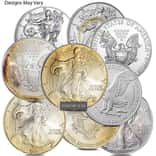
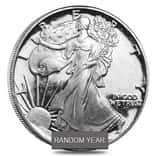
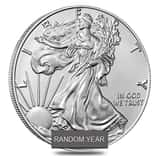
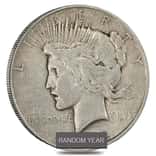
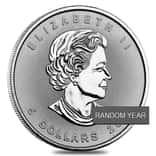
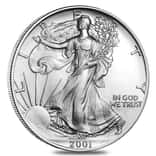
Silver premiums are not uniform across all products. Government-issued silver coins—such as American Silver Eagles—typically carry higher premiums due to legal tender status, strict quality standards, and strong investor recognition.
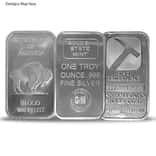
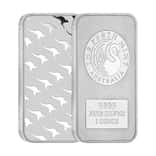
Silver bars generally offer lower premiums per ounce, especially in larger sizes. However, during periods of extreme demand, even bar premiums can rise sharply as investors seek any available physical silver.
This variation reinforces the importance of understanding how different silver products behave during supply-constrained environments.
Paper Silver Does Not Relieve Physical Market Pressure
A common misconception is that paper silver trading reduces pressure on physical markets. In reality, paper markets can expand independently of physical supply, creating the illusion of ample silver availability.
When investors attempt to convert paper exposure into physical ownership, the disconnect becomes clear. Physical premiums rise because the underlying metal is scarce—even when paper silver prices suggest liquidity.
This dynamic explains why silver shortages often appear first through rising premiums rather than immediate spikes in the silver spot price.
Inflation, Energy Costs, and Production Expenses
Rising production costs also contribute to elevated silver premiums. Mining, refining, and transportation are energy-intensive processes. As fuel, labor, and regulatory costs increase, the baseline cost of producing silver bullion rises as well.
These expenses do not disappear when spot prices pull back, meaning premiums often remain elevated even during short-term market corrections.
Investor Psychology and Premium Stickiness
Once premiums rise, they tend to stay elevated longer than expected. Investors who experienced shortages or delays are often willing to pay higher premiums to secure metal immediately, reinforcing the new pricing structure.
This “premium stickiness” reflects confidence in silver’s long-term value and ongoing concern about future availability—factors that support physical silver demand even when volatility increases.
How Elevated Premiums Affect Investment Strategy
For investors, elevated premiums highlight the difference between price exposure and metal ownership. Monitoring both the price of silver and physical premiums provides a clearer picture of market conditions.
Some investors adjust by purchasing larger silver bars, while others prioritize sovereign coins for liquidity and recognizability. Regardless of strategy, elevated premiums signal underlying stress in the physical silver market that spot prices alone may not reveal.
Premiums Are a Signal, Not a Flaw
Silver premiums are not an anomaly—they are a market signal. Persistent premiums indicate strong demand, limited supply, and ongoing constraints within the physical silver ecosystem.
As long as investors continue to seek tangible silver and production struggles to keep pace, premiums are likely to remain elevated. Understanding why this occurs allows investors to make more informed decisions and better navigate the realities of today’s silver market.
Related reading you may find interesting:
Which Silver Products Hold Value Best During Supply Constraints?